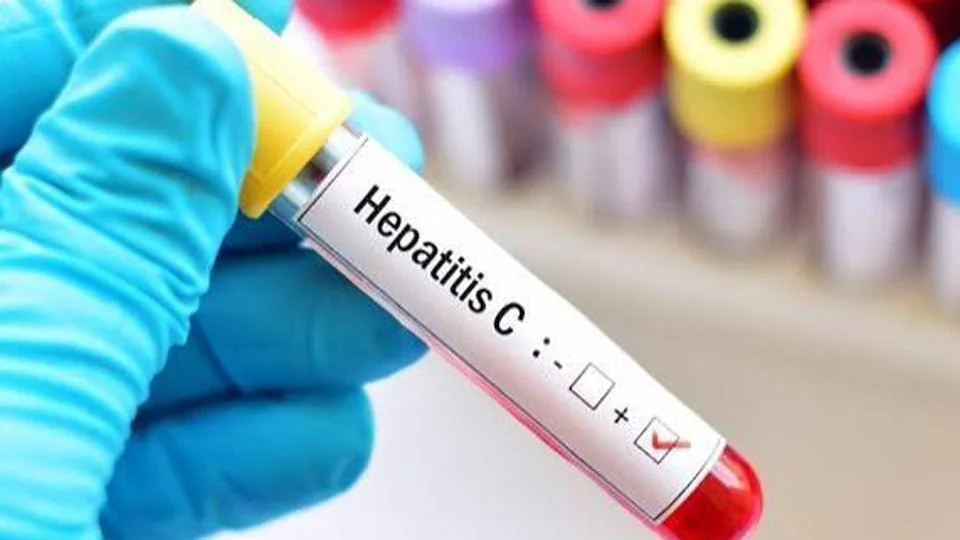
New Delhi, October 13, 2026: An Indian multicentre clinical trial has reported that an eight-week course of antiviral treatment cured 98.8% of hepatitis C patients without cirrhosis, achieving results comparable to the conventional 12-week regimen. Researchers say the shorter course could reduce treatment costs, improve adherence and help expand access to hepatitis C care across India.
Trial Included 880 Patients
The study, led by the Indian Council of Medical Research (ICMR), enrolled 880 patients across five public hospitals in Lucknow, New Delhi and Varanasi.
Participants without liver cirrhosis received a combination of two direct-acting antiviral medicines, sofosbuvir and velpatasvir. The trial assessed whether a shorter treatment duration could achieve outcomes comparable to the standard course.
Eight-Week Treatment Achieved 98.8% Cure Rate
Researchers reported a cure rate of 98.8% among patients who received the eight-week regimen. The corresponding rate among patients treated for the conventional 12 weeks was approximately 99%.
The closely comparable results suggest that, for the patient group studied, shortening treatment could be a practical way to reduce the duration of therapy without substantially compromising effectiveness.
Shorter Course Could Save Around ₹5,000 Per Patient
According to the study, the eight-week course could reduce treatment costs by approximately ₹5,000 per patient.
Such savings could be significant for public-health programmes treating large numbers of people. Lower costs could potentially allow limited healthcare budgets to cover more patients and support wider access to antiviral medicines.
Findings Apply to Patients Without Cirrhosis
Researchers emphasised that the findings concern hepatitis C patients who do not have liver cirrhosis. The results should not be interpreted as evidence that every patient can safely switch to a shorter treatment course.
Treatment duration depends on clinical factors, including the condition of the liver and the patient’s medical history. Any change to an established treatment plan requires guidance from a qualified healthcare professional.
Shorter Treatment May Improve Adherence
Completing the prescribed course of medication is an important part of hepatitis C treatment. Shortening therapy from 12 weeks to eight could make treatment more manageable for some patients.
This may be particularly relevant to public-health programmes serving communities where travel, treatment expenses and continuity of care can create barriers to completing therapy.
However, the extent to which a shorter course improves adherence will depend on how it is implemented and on patients’ access to diagnosis, medicines and follow-up care.
Hepatitis C Can Cause Serious Liver Disease
Hepatitis C is a blood-borne viral infection that affects the liver. Although some infections resolve spontaneously, chronic infection can cause progressive liver damage and may lead to cirrhosis or liver cancer if left untreated.
Early diagnosis and access to effective treatment are therefore essential to reducing the long-term health consequences of the disease.
Modern Antivirals Cure More Than 95% of Patients
The World Health Organization (WHO) reports that direct-acting antiviral medicines can cure more than 95% of people with hepatitis C.
Despite the availability of effective treatment, many people worldwide remain undiagnosed or face barriers to receiving care. Expanding testing, diagnosis and access to medicines remains central to reducing the global burden of the infection.
India Could Benefit From Lower-Cost Treatment
The Indian Express reported that approximately one in 200 people in India may be infected with hepatitis C, highlighting the importance of affordable diagnosis and treatment.
If the trial findings are incorporated into appropriate clinical guidance, shorter treatment could help reduce costs and improve the reach of hepatitis C programmes. Any broader adoption, however, will depend on review of the evidence and the suitability of the regimen for specific patient groups.
Study Could Support Hepatitis Elimination Efforts
The WHO has set a global target of eliminating viral hepatitis as a public-health threat by 2030. Achieving that goal requires expanded testing, timely diagnosis, access to treatment and sustained public-health investment.
Evidence supporting shorter and potentially less expensive treatment options could help countries explore more accessible care models, provided that clinical effectiveness and patient safety are maintained.
Further Clinical and Policy Review Needed
The findings offer encouraging evidence for a shorter treatment option among hepatitis C patients without cirrhosis. However, treatment protocols must be guided by the complete clinical evidence and recommendations from relevant health authorities.
Patients should not shorten or discontinue their prescribed antiviral treatment on their own. They should consult their healthcare provider before making any changes.
Sources – ICMR Study, The Lancet, The Indian Express, World Health Organization
Supreme News Network