

NEW DELHI, September 14: India has approved the supply of up to 654 megawatts (MW) of electricity to Nepal for 18 hours each day until December 31, 2026, after a devastating glacier-triggered flood severely damaged the Himalayan nation’s hydropower infrastructure.
The decision is aimed at helping Nepal overcome an acute power shortage after the disaster wiped out roughly a tenth of its electricity-generation capacity.
India Approves Up to 654 MW Supply
India’s Power Ministry said the approval allows Nepal to import up to 654 MW of electricity daily for 18 hours through the end of December.
The amount of electricity that can be supplied from January 2027 onward will be reviewed in December, depending on Nepal’s requirements and the condition of its power network.
The ministry said the arrangement would help Nepal meet its immediate electricity needs while further strengthening long-standing energy cooperation between the two neighbours.
Glacier Collapse Devastated Nepal’s Hydropower Sector
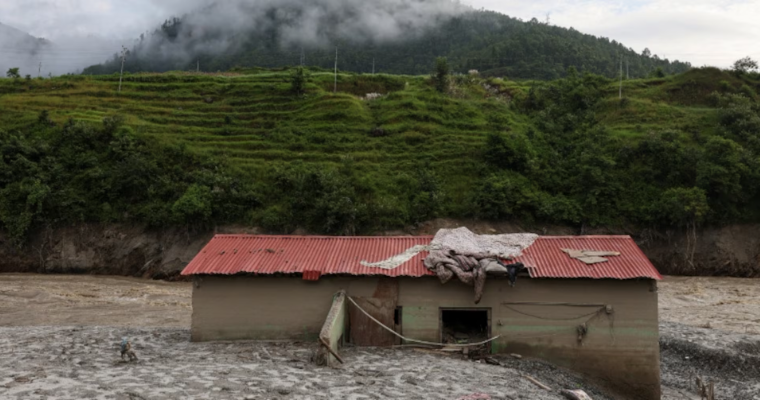
The emergency power arrangement follows the catastrophic flood triggered by a glacier collapse near the Nepal-Tibet border in August.
The disaster swept away more than 12 hydropower plants in Nepal, damaging one of the country’s most important sources of electricity and export earnings.
The flood was particularly destructive in Bagmati province, one of Nepal’s main hydropower-producing regions.
Nearly 1,400 Killed Across Nepal and Tibet
The disaster has killed nearly 1,400 people across Nepal and Tibet, while more than 5,300 people remain missing, according to the latest reported figures.
Around 900 power-station workers are among those still unaccounted for, underlining the scale of destruction to Nepal’s energy infrastructure.
Rescue teams have continued operations around damaged hydropower projects and tunnels in the affected region.
Nepal Forced to Halt Electricity Exports
Before the flood, Nepal’s hydropower sector had become an increasingly important source of export revenue, with surplus electricity being sold to India and Bangladesh.
Following the disaster, however, Nepal was forced to halt power exports and turn to India for electricity imports to meet domestic demand.
Hydropower supplies almost all of Nepal’s electricity, making damage to generation facilities particularly disruptive for households, businesses and public services.
India-Nepal Power Cooperation Already Strong
India and Nepal have an established framework for cross-border electricity trade and grid connectivity.
The two countries signed a long-term power trade agreement aimed at expanding electricity exchanges and making greater use of existing and planned transmission lines.
The latest emergency approval demonstrates how that interconnected grid can also be used to support Nepal during a major natural disaster.
Nepal Seeks $5 Billion for Reconstruction
Nepal has also appealed to wealthier countries and international agencies for financial assistance, saying around $5 billion may be required for the initial rebuilding effort.
Nepali officials have argued that the disaster illustrates the disproportionate impact of climate change on vulnerable Himalayan countries that have contributed relatively little to global emissions.
For now, India’s expanded electricity supply is expected to provide immediate relief while Nepal works to restore damaged hydropower plants and transmission infrastructure.
source – Reuters / Ministry of Power
Supreme News Network