

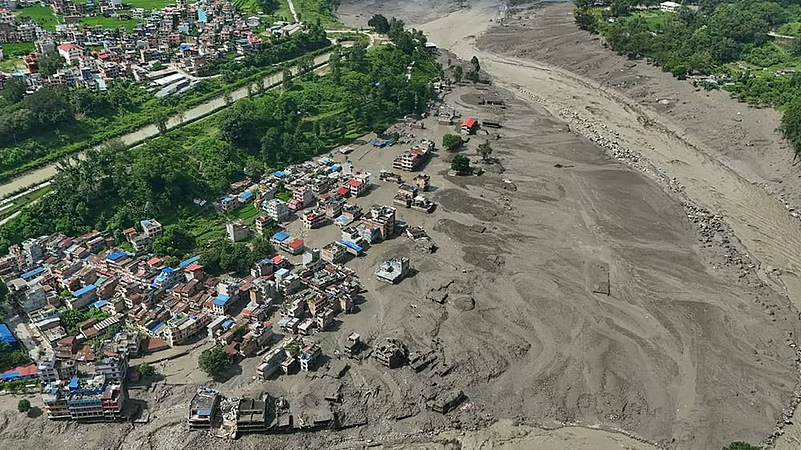
Nepalese authorities issued a fresh flood warning on Sunday, August 30, after water flow in the Bhote Koshi River rose again, increasing fears of further flooding in areas already devastated by this week’s Himalayan disaster.
The National Disaster Risk Reduction and Management Authority warned people living downstream to remain alert after officials detected an increase in the river’s flow.
Residents in vulnerable areas of Rasuwa, Nuwakot and Dhading districts have been advised to stay away from riverbanks and move to safer locations if conditions deteriorate.
The fresh alert comes as Nepal continues one of its largest search-and-rescue operations following catastrophic floods triggered by a glacier collapse near the Nepal-China border.
According to the latest disaster authority figures, the death toll in Nepal has risen to 734, while 2,498 people remain missing. More than 7,500 people have been rescued as operations continue across badly affected districts.
Including casualties reported in Tibet, the combined Nepal-China death toll has reached 750, with more than 3,000 people still missing.
Fresh rainfall has added to concerns. River levels rose again on Sunday, forcing some residents and rescue personnel to move towards higher ground as authorities continued monitoring the danger of secondary floods and landslides.
Rescue operations have now entered an especially difficult phase, with teams focusing on hundreds of people feared trapped inside tunnels at hydropower projects.
Indian and Chinese specialists are assisting Nepal with technically demanding operations, including tunnel rescue, while Nepal has also sought support for DNA testing, forensic identification and preservation of bodies recovered from flood-hit areas.
Authorities are simultaneously monitoring unstable terrain and newly formed pools of water created by landslides and debris.
Chinese authorities reported that drones detected another landslide downstream of an earlier barrier lake, creating a new natural dam and fresh accumulation of water, further highlighting the risk of secondary disasters.
The original flood was triggered after a massive glacier collapse sent rock, ice, mud and water surging through Himalayan river systems, destroying settlements, bridges, roads and hydropower infrastructure on both sides of the Nepal-China border.
With fresh rainfall, swollen rivers and unstable mountain slopes continuing to threaten rescue teams and downstream communities, officials have urged residents to follow evacuation instructions and remain away from high-risk river areas.
Search operations are expected to continue around the clock wherever weather and safety conditions permit as authorities race to locate thousands who remain unaccounted for.
source – Reuters
Supreme News Network



Installation was a breeze and the app works perfectly. No annoying bugs or crashes during my sessions. Thanks to 3777bdtapk for the great service.
No more annoying connection issues. The login process is instant and the games load fast. Visit ab777login today.