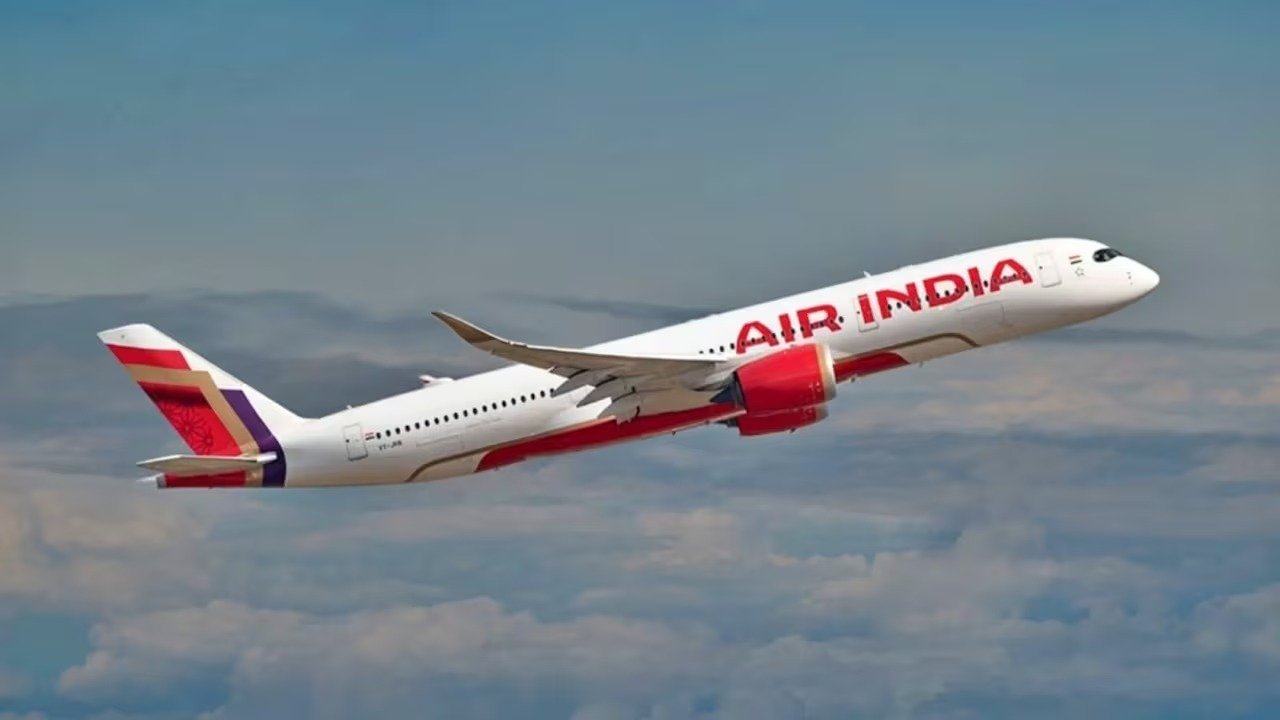
Jaipur, October 14, 2026: An Air India flight travelling from Frankfurt to Delhi was diverted to Jaipur on Wednesday after transmitting squawk code 7500, the international aviation code used to indicate hijacking or unlawful interference. Flight AI2030, operated by a Boeing 787-9 Dreamliner, landed safely at Jaipur International Airport, where security agencies conducted precautionary checks.
Preliminary reports suggest the code may have been transmitted inadvertently. However, the Directorate General of Civil Aviation (DGCA) is investigating the incident, and the cause has not yet been officially established.
Hijack Alert Triggers Emergency Procedures
The incident came to light after air traffic control detected squawk code 7500 from the aircraft.
In aviation, this code indicates unlawful interference, including a suspected hijacking. Its transmission requires air traffic controllers and security agencies to respond immediately until the situation is assessed and the alert is resolved.
The signal prompted emergency procedures and the aircraft was diverted to Jaipur as a precaution.
Ahmedabad Air Traffic Control Receives Signal
According to media reports, Ahmedabad Air Traffic Control was among the first to receive the hijack alert.
The transmission triggered coordination between air traffic controllers and the relevant authorities. The flight was subsequently diverted from its planned journey to Delhi while the situation was assessed.
Aircraft Lands Safely in Jaipur
The Air India Boeing 787-9 Dreamliner landed safely at Jaipur International Airport at approximately 9:35–9:45 am, according to initial reports.
After landing, the aircraft was moved to a secure area and standard security procedures were initiated. Authorities carried out checks before passengers were allowed to leave the aircraft under security supervision.
All 306 Passengers Reported Safe
According to The Indian Express, 306 passengers were on board the aircraft, and all were reported safe following the diversion.
Passengers were escorted to the terminal while security checks continued. No confirmed reports of injuries emerged from the incident.
Security Agencies Inspect Aircraft
Security personnel boarded and inspected the aircraft after it landed in Jaipur.
Authorities followed precautionary procedures generally associated with suspected hijacking or serious aviation security alerts. The checks were intended to establish whether there was any genuine threat to passengers, crew or the aircraft.
Although early reports indicated that no immediate threat had been found, the investigation remains important in determining why the emergency code was transmitted.
Preliminary Investigation Examines Possible Error
Initial reports suggest the squawk 7500 transmission may have been accidental.
Investigators are examining whether the signal resulted from an incorrect cockpit input, a technical issue or another operational error. These remain possibilities rather than confirmed explanations.
The final findings will depend on the evidence collected by aviation authorities.
DGCA Launches Investigation
The Directorate General of Civil Aviation (DGCA) has begun examining the circumstances surrounding the alert.
The inquiry is expected to consider relevant cockpit procedures, transponder data, communication records and exchanges between the pilots and air traffic control.
The investigation will seek to establish how the code was activated and whether any operational or technical factors contributed to the incident.
No Confirmed Hijacking Reported
Authorities have not reported verified evidence that an actual hijacking took place aboard the aircraft.
The diversion followed the transmission of a code associated with unlawful interference, but the signal alone does not establish that a hijacking occurred.
Until the investigation is completed, the possibility of an inadvertent alert remains preliminary.
Reports Also Refer to Bomb-Threat Checks
Some media reports described the incident as involving a bomb-threat scare and said comprehensive security checks were carried out after the aircraft landed.
NDTV reported that the threat was treated as a hoax and that passengers and crew were cleared following the inspection. The precise circumstances and relationship between the reported security concerns and the squawk 7500 alert remain subject to official clarification.
Air India Offers Assistance to Passengers
Air India said affected passengers were being offered assistance with onward travel arrangements. Reported options included complimentary rescheduling or refunds in the event of cancellations.
The airline’s immediate priorities included passenger safety, coordination with airport authorities and minimising disruption to travel plans.
Why Squawk Code 7500 Is Significant
Aircraft transponders use specific numerical codes to communicate information to air traffic controllers. These codes help authorities identify aircraft and respond to emergencies.
Squawk 7500 is specifically associated with unlawful interference. Because of its significance, even a suspected accidental transmission can trigger extensive security measures and coordination between aviation authorities, airports and law-enforcement agencies.
Investigation to Establish the Cause
The central question is why the hijack alert was transmitted and whether the incident resulted from human error, a technical malfunction or another operational factor.
While the aircraft landed safely and passengers were reported safe, the DGCA’s findings will be necessary to establish the cause and determine whether any further action is required.
Source – The Indian Express, India Today, NDTV
Supreme News Network