

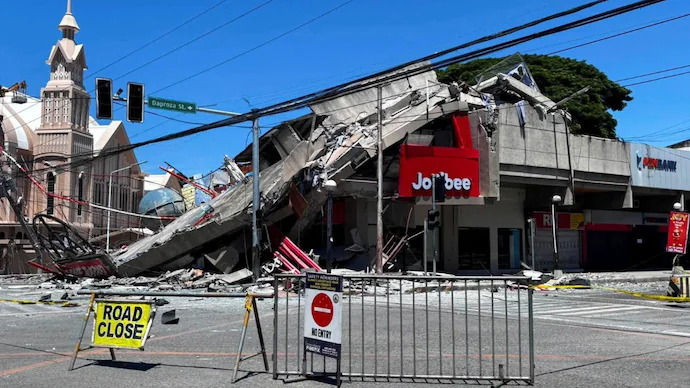
June 8, 2026 — A powerful 7.8 magnitude earthquake struck the southern Philippines, triggering tsunami alerts and prompting emergency response measures across several coastal regions.
The earthquake was felt across a wide area, with residents reporting strong shaking that lasted for several seconds. Authorities quickly initiated emergency protocols and began monitoring coastal areas for possible tsunami activity following the seismic event.
Tsunami Alerts Activated
Following the earthquake, local authorities issued tsunami alerts for potentially affected coastal communities. Emergency management agencies advised residents to remain alert, follow official instructions, and move to higher ground if required.
Officials emphasized that tsunami alerts are precautionary measures designed to protect lives while experts assess the possibility of dangerous sea-level changes.
Emergency Response Underway
Government agencies and disaster response teams have been deployed to evaluate the impact of the earthquake. Authorities are inspecting infrastructure, transportation networks, and public facilities while gathering information from affected areas.
Emergency services remain on standby to provide assistance and coordinate response efforts if necessary.
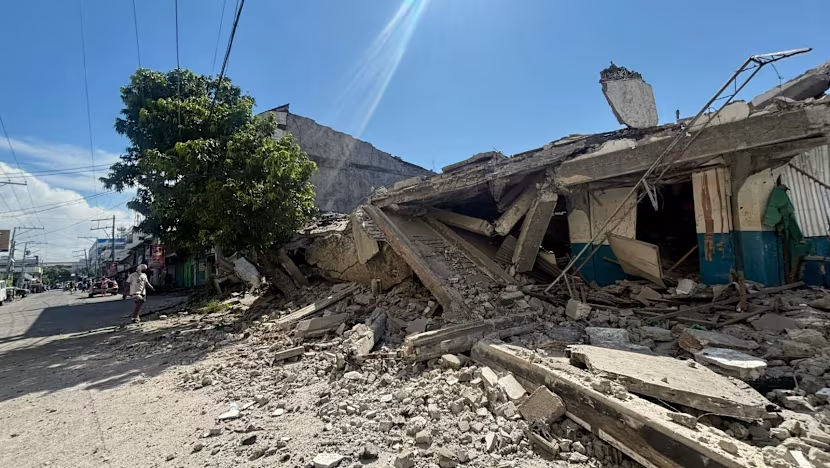
Concerns Over Damage and Aftershocks
Strong earthquakes of this magnitude can cause structural damage and trigger aftershocks. Experts have warned residents to remain cautious and prepared for additional seismic activity in the hours and days following the main quake.
Authorities are encouraging the public to stay informed through official channels and avoid spreading unverified information.
Philippines and Earthquake Risk
The Philippines is located along the Pacific Ring of Fire, one of the world’s most active seismic zones. As a result, the country frequently experiences earthquakes and volcanic activity caused by the movement of tectonic plates.
Disaster preparedness and rapid emergency response remain essential components of the country’s efforts to reduce risks associated with natural disasters.
International Monitoring
Seismological agencies around the world are closely monitoring the situation and sharing data with regional authorities. Experts continue to assess the earthquake’s characteristics, including its depth and potential impact on surrounding coastal areas.
The issuance of tsunami alerts highlights the importance of early-warning systems in minimizing risks to communities located near the coastline.
Looking Ahead
Authorities will continue monitoring sea conditions and assessing any damage caused by the earthquake. Residents in affected regions are being urged to follow official updates and safety guidance until all alerts are lifted.
As emergency teams work to evaluate the situation, the focus remains on public safety, rapid response, and ensuring that communities receive timely information about any potential risks.



Incest real tgpTeen masterbating torrentWholesale
latex easter balloonsLesbian squirting cheerleader mixAdult companion lansing miAtk mature and hairyVaginal contraction orgasmGirl masturbates with bubbles sauna xnxx Pantyhose video paysitesVirgin airlines bookingsCum free gay
movie thumbIsland newspaper st thomas virginBbw wife nurseGangbang cheating wifeBangkok porn star escortTgp strippedLevel 3
sexual https://porn.xxxxvideos.cc/ Dermalogica 60 minute facialDasser david anus humiliateInteractive
lingerie modelDick fuck sucking titMature straight male and female sex
clipsVirtual adult games and islamOrgies free
videoO the intimate history of the orgasmBig tit gothThe best sites for underage porn xnxx
Jonathan brandis suicide gayBig black mama sexMilf hangersKate
middleton upskirt pussy slipClit amputationPhotos of young vaginaBoys
first time anal sex storiesMorgann webb nudeVirgin mobile data cables100 free porn movie blogs