
New Delhi: Delhi has recorded 2,308 confirmed H1N1 cases so far in 2026, prompting the city government to intensify surveillance and review hospital preparedness as seasonal influenza infections rise across the national capital.
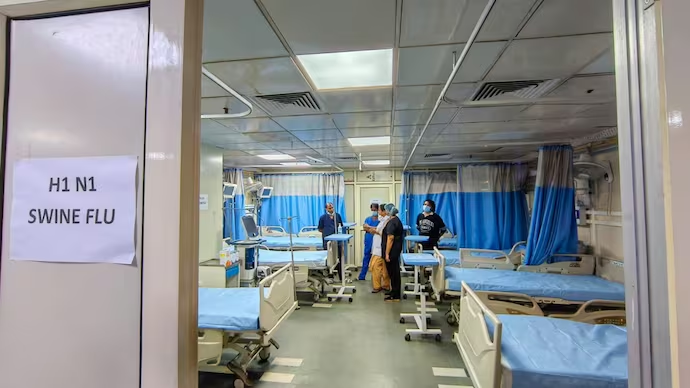
Following an emergency review meeting, Delhi Health Minister Dr Pankaj Kumar Singh said the situation remained under control and urged residents not to panic. He said hospitals currently have sufficient beds, doctors, medicines and testing facilities to manage patients.
258 New H1N1 Cases Added in Latest Update
According to the latest available health data, Delhi recorded 258 additional H1N1 infections, taking the cumulative number of cases this year to 2,308.
Overall seasonal influenza infections in the capital have crossed 3,000 cases, with H1N1 accounting for the majority. Other circulating influenza strains include H3N2 and other Influenza A and B infections.
H1N1, commonly referred to as swine flu, is now the predominant influenza subtype being detected in Delhi this season.
Delhi Government Holds Emergency Review Meeting
Chief Minister Rekha Gupta called an emergency review meeting amid the increase in seasonal influenza cases.
The meeting was attended by Health Minister Pankaj Kumar Singh and senior representatives from the health department, Municipal Corporation of Delhi, New Delhi Municipal Council and Delhi Cantonment authorities.
Officials reviewed the availability of hospital beds, antiviral medicines, diagnostic facilities and other medical resources needed to manage seasonal influenza as well as dengue and malaria cases.
Singh said after the meeting that there was “absolutely no need for panic”, adding that hospitals had adequate medical staff, medicines and bed capacity.
No Serious H1N1 Patients Reported in Latest Government Update
Despite the increase in infections, the Delhi government said the cases reported so far have largely remained manageable.
According to Singh, no H1N1-related deaths were reported in the latest government assessment, and no patients were on ventilators or in intensive care because of the current seasonal influenza wave.
He said most patients were arriving with routine flu-like symptoms, receiving treatment and subsequently recovering.
Authorities have nevertheless stressed that the rising case numbers require continued vigilance.
Hospitals Asked to Maintain Preparedness
Delhi hospitals have been instructed to remain ready for a further rise in influenza cases.
Health authorities are strengthening surveillance for Influenza-Like Illness (ILI) and Severe Acute Respiratory Infection (SARI) while ensuring the availability of antiviral medicines, testing kits and other essential hospital supplies.
Some government facilities are also increasing dedicated capacity for patients with seasonal respiratory infections.
The Health Minister has directed officials to closely monitor hospital requirements so that shortages do not develop if case numbers continue increasing.
ICMR Says No New Dangerous H1N1 Strain
The Indian Council of Medical Research (ICMR) has also sought to reassure the public.
ICMR Director General Dr Rajiv Bahl said the rise is linked to the familiar H1N1 pdm09 seasonal influenza virus, rather than the emergence of a new or unusually dangerous H1N1 strain.
The currently circulating virus has become part of the seasonal influenza pattern seen in India, according to the research body.
ICMR has therefore stressed vigilance rather than panic.
Schools Asked to Strengthen Flu Awareness
The Delhi Directorate of Education has also issued instructions to government, government-aided and private unaided schools to strengthen awareness about seasonal influenza and H1N1.
Schools have been asked to promote measures including respiratory hygiene, regular handwashing and avoiding self-medication.
The advisory is being communicated through school assemblies and parent communication channels, while districts have been asked to monitor implementation.
The initiative is aimed at reducing transmission in schools, where children spend long periods in close contact.
What Are the Common Symptoms of H1N1?
H1N1 generally produces symptoms similar to other seasonal influenza infections.
Common symptoms can include:
- Fever
- Cough
- Sore throat
- Headache
- Body aches
- Fatigue
- Runny or blocked nose
Some people may also experience gastrointestinal symptoms.
Most infections remain mild and improve without serious complications, but influenza can become more severe in vulnerable individuals, including older adults and people with certain underlying health conditions.
Delhi health authorities advise people whose symptoms become severe—particularly those experiencing breathing difficulties or persistent high fever—to seek medical assessment.
Basic Precautions Advised
The Delhi Health Department recommends following standard respiratory-hygiene practices to reduce transmission.
These include covering the mouth and nose while coughing or sneezing, washing hands regularly and avoiding unnecessary close contact with others when experiencing flu symptoms.
Authorities have also advised against taking medication without appropriate medical guidance.
Delhi Monitoring H1N1 Alongside Dengue
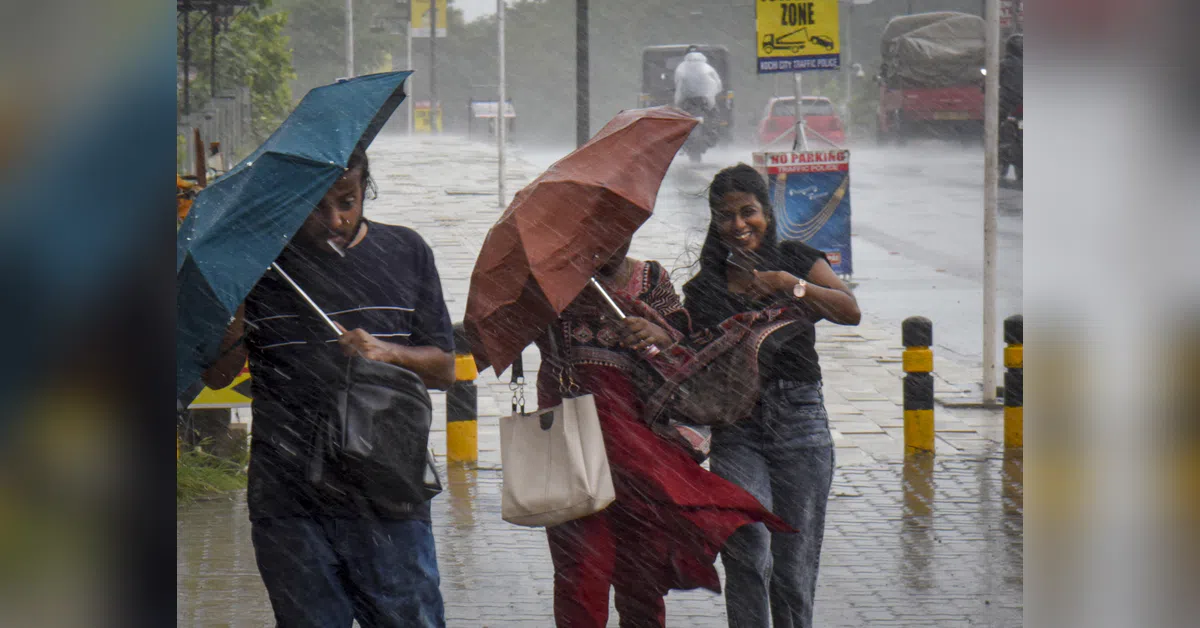
The influenza increase comes during the monsoon period, when Delhi is simultaneously monitoring mosquito-borne illnesses such as dengue and malaria.
The city government’s latest health review therefore covered multiple seasonal diseases rather than H1N1 alone.
Officials have been directed to intensify surveillance and maintain sufficient healthcare resources as authorities prepare for the possibility of further seasonal cases.
Situation Under Control, Government Says
Delhi’s 2,308 H1N1 cases represent a significant rise in seasonal influenza activity, but health authorities currently maintain that there is no evidence of a new or unusually severe strain.
The government says hospitals remain equipped with doctors, beds, medicines and testing capacity, while surveillance is being strengthened across the capital.
Officials are urging residents to remain alert, follow respiratory hygiene and seek medical attention when symptoms become severe rather than reacting with panic.
Source – Delhi Government Health Department / The Indian Express / ICMR
Supreme News Network