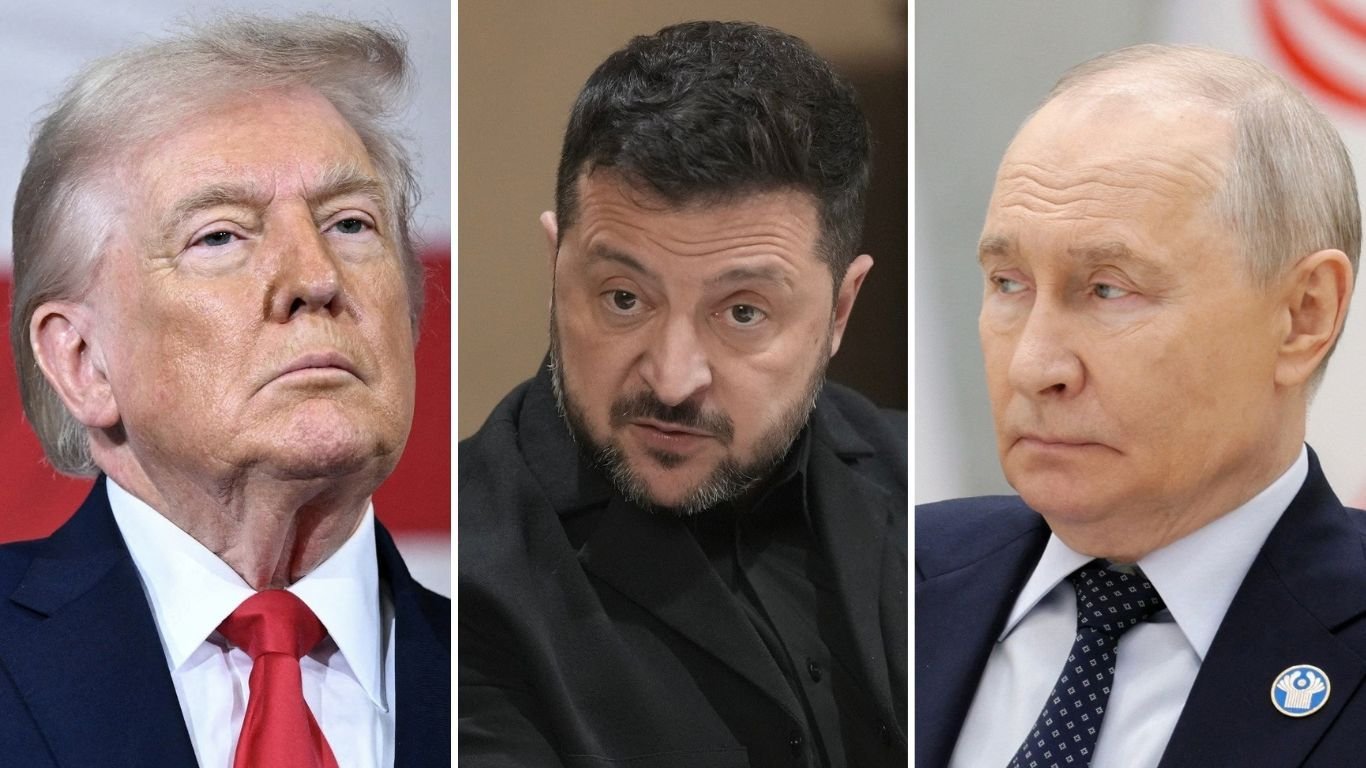
Kyiv, October 12, 2026: Ukrainian President Volodymyr Zelenskiy has accused Russia of violating a newly announced energy ceasefire after overnight and morning strikes reportedly hit at least six Ukrainian energy-related sites. The attacks came shortly after US President Donald Trump announced that Moscow and Kyiv had agreed to stop targeting each other’s energy infrastructure, raising fresh questions about the proposed truce.
Zelenskiy Accuses Russia of Breaking Energy Truce
Zelenskiy said the latest strikes indicated that Russia was not adhering to the proposed halt in attacks on energy infrastructure. He maintained that if Moscow expected Ukraine to stop targeting Russian refineries, Russia must also refrain from striking Ukrainian energy facilities.
The accusations have placed the proposed arrangement under renewed scrutiny, with questions remaining over its terms and implementation.
At Least Six Energy Sites Reportedly Hit
According to Ukrainian officials, Russian strikes damaged at least six energy-related sites during the latest wave of attacks. The reported incidents have increased concerns about the durability of the ceasefire understanding and the potential consequences for Ukraine’s energy network.
Independent verification of the reported damage and the circumstances of individual strikes remains important.
Trump Announces Mutual Energy Ceasefire
Trump announced over the weekend that Russia and Ukraine had agreed to stop attacking each other’s energy systems. The announcement came amid continuing diplomatic efforts to reduce attacks on critical infrastructure.
However, Ukrainian officials indicated that clarification was still needed regarding the precise terms of the arrangement and how compliance would be monitored.
Kyiv Says It Refrained From Immediate Retaliation
Zelenskiy said Ukraine had not immediately retaliated against Russian refineries following the US announcement. He argued that any agreement must apply equally to both sides and be supported by meaningful measures to address violations.
The issue of attacks on energy infrastructure has become a sensitive part of discussions over potential steps towards a broader settlement.
Kremlin Rejects Separate 60-Day Ceasefire Proposal
Russia has acknowledged discussions surrounding an energy ceasefire, while the Kremlin has rejected a separate Ukrainian proposal for a broader 60-day ceasefire.
Kremlin spokesman Dmitry Peskov said Moscow favoured a comprehensive, long-term settlement rather than a temporary pause in hostilities. The differing positions underline the continuing challenges in reaching an agreement that both sides would accept.
European Union Adds Nearly 1,600 Sanctions Listings
The European Union has approved nearly 1,600 additional sanctions listings linked to Russia’s war against Ukraine. EU foreign policy chief Kaja Kallas said more than half of the new listings were connected to supply chains associated with ballistic-missile production.
The move forms part of the bloc’s continuing efforts to restrict Russia’s access to resources and networks considered relevant to its military capabilities.
EU Says Pressure on Russia Must Continue
European officials have maintained that sanctions are intended to constrain Russia’s military-industrial capacity and limit its ability to sustain the war.
The latest expansion adds to the extensive sanctions imposed since Russia launched its full-scale invasion of Ukraine in February 2022. The practical impact of the new measures will depend on their implementation and enforcement.
US Pressure on Ukraine Over Refinery Attacks
Washington has also reportedly pressed Kyiv over Ukrainian attacks on Russian oil refineries. According to reports cited by Reuters, the United States warned that arms procurement and intelligence support could be affected if Ukraine continued deep strikes against Russian energy infrastructure.
Reuters said it could not independently verify all details of the reported threat. The issue highlights the competing diplomatic and military considerations facing Washington as it seeks to influence the course of the conflict.
Energy Infrastructure Remains a Critical Target
Energy facilities have become a major focus of the war because attacks can disrupt electricity generation, heating, fuel supplies and wider economic activity.
With winter approaching, damage to power and fuel infrastructure could have serious humanitarian consequences for civilians and create additional pressure on repair and emergency-response services.
Fresh Strikes Raise Questions About Ceasefire Prospects
The latest reported attacks have raised doubts about whether the proposed energy ceasefire can hold without clearly defined commitments and an effective mechanism for monitoring compliance.
The dispute also presents a diplomatic challenge for Washington, Kyiv and European governments as they consider further measures to limit attacks on critical infrastructure and create conditions for negotiations.
Source: Reuters
Supreme News Network