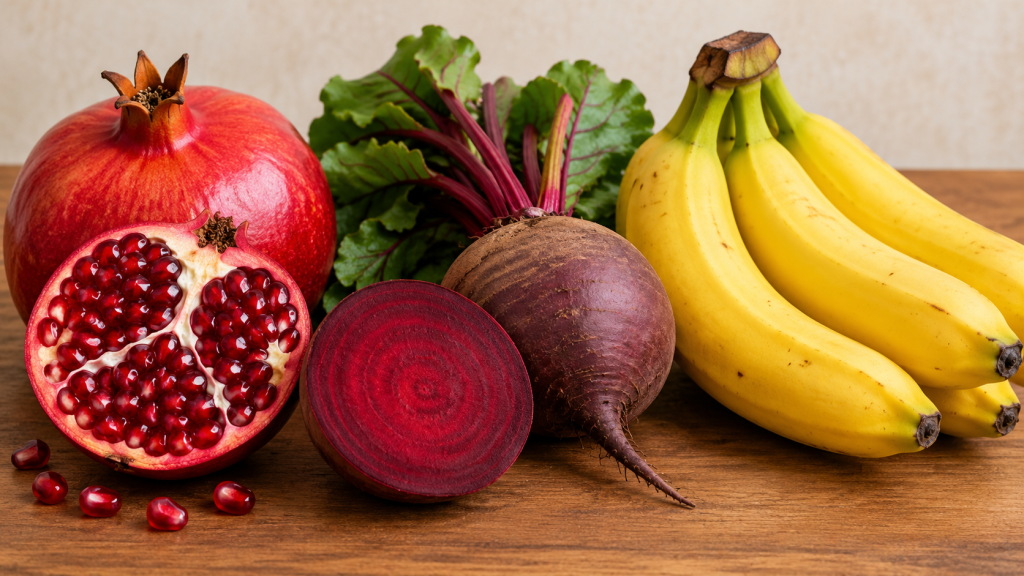
New Delhi, October 15, 2026: Everyday foods such as bananas, beetroot and pomegranate may help support healthy blood pressure because they contain nutrients and plant compounds associated with better blood-vessel function and cardiovascular health. However, doctors emphasise that no single food can control hypertension on its own. Long-term management depends on a balanced diet, reduced salt intake, regular physical activity and appropriate medical care.
Bananas Provide Potassium
Bananas are a source of potassium, a mineral that helps the body regulate sodium levels and supports normal heart and blood-vessel function.
Including potassium-rich foods in a balanced diet may help support blood-pressure control, particularly when combined with reducing excess salt intake. However, people with kidney disease or those advised to restrict potassium should consult their healthcare provider before significantly increasing their intake.
Beetroot May Support Healthy Blood Flow
Beetroot contains naturally occurring nitrates, which the body can convert into nitric oxide. This compound helps blood vessels relax and widen, supporting circulation.
Research suggests that beetroot and nitrate-rich foods may contribute to modest reductions in blood pressure in some people. However, their effects can vary, and they should be considered part of an overall healthy diet rather than a standalone treatment.
Pomegranate Contains Antioxidants
Pomegranate contains polyphenols and other antioxidant compounds that may support cardiovascular health and blood-vessel function.
Some research suggests that pomegranate juice may have beneficial effects on blood pressure, although the evidence is not conclusive enough to treat it as a replacement for established hypertension care. Unsweetened options and reasonable portions are preferable to heavily sweetened juices.
No Single Superfood Can Treat Hypertension
Doctors stress that adding one or two healthy foods to an otherwise unhealthy diet is unlikely to provide adequate blood-pressure control.
A more effective approach is to follow a dietary pattern rich in fruits, vegetables, whole grains, pulses and other minimally processed foods. Limiting excess salt, highly processed products and foods high in saturated fat can also support cardiovascular health.
Reducing Salt Intake Remains Important
Lowering sodium intake is a key dietary measure for people with high blood pressure.
Salt consumption can rise unnoticed through packaged snacks, pickles, sauces, ready-to-eat meals and restaurant food, not just through salt added during cooking. Checking food labels, choosing lower-sodium alternatives and limiting heavily salted products can help reduce overall intake.
Whole Fruits May Be Preferable to Sugary Juices
Whole fruits generally provide dietary fibre alongside vitamins and minerals, making them a useful choice for a balanced diet.
People with diabetes or other metabolic conditions may need to consider portion sizes and their overall carbohydrate intake. Fruit juice, even when unsweetened, can deliver sugars more quickly and is generally less filling than whole fruit.
Lifestyle Choices Matter Beyond Diet
Healthy eating is only one part of managing blood pressure. Other important measures include:
- Engaging in regular physical activity.
- Maintaining a healthy body weight.
- Getting adequate, consistent sleep.
- Avoiding smoking and limiting alcohol.
- Managing stress through sustainable routines.
These habits work together to support cardiovascular health and may improve the effectiveness of medical treatment when needed.
Medication May Still Be Necessary
People prescribed blood-pressure medication should not stop, reduce or replace their treatment simply because they have started eating more potassium-rich or nitrate-rich foods.
Diet can complement medical care, but treatment decisions should be made with a healthcare professional, particularly when blood-pressure readings remain high. People with persistently elevated readings should seek medical advice rather than relying on dietary changes alone.
High Blood Pressure Often Has No Symptoms
Hypertension is often described as a “silent” condition because many people experience no obvious symptoms even when their blood pressure is elevated.
If left uncontrolled, it can increase the risk of heart disease, stroke and kidney problems. Regular blood-pressure checks can help identify the condition early and support timely treatment.
A Balanced Diet Is the Bigger Message
Bananas, beetroot and pomegranate are accessible foods that can contribute to a heart-healthy diet, but none is a miracle treatment for hypertension.
The broader message is to combine a varied, nutrient-rich diet with lower salt consumption, regular exercise, routine blood-pressure monitoring and medical guidance when necessary. These measures together offer a more reliable approach to supporting long-term cardiovascular health.
Source: The Indian Express and medical experts
Supreme News Network