
Washington, October 24, 2026: The United States is reducing staffing at several diplomatic missions across the Middle East as intelligence officials warn of growing threats from Iran and Iran-backed groups, while President Donald Trump has separately kept open the possibility of further military action against Tehran.
The latest security measures affect U.S. embassies in Jordan, Lebanon, Qatar and the United Arab Emirates, while non-essential personnel and family members had already been ordered to leave Saudi Arabia earlier this week amid escalating regional security concerns.
Staffing Reduced at Four US Embassies
The State Department is reducing the number of personnel working at four American embassies in the Middle East.
The affected missions are in Jordan, Lebanon, Qatar and the United Arab Emirates.
The embassies remain open, but they are operating under tighter security conditions as Washington assesses threats to American personnel.
Iran-Related Threats Cited in Security Assessment
According to U.S. officials cited by the Associated Press, intelligence assessments indicate that Iran has intensified efforts to target American personnel.
Officials are also concerned about threats from Iran-backed Houthi forces in Yemen, which have recently carried out attacks on Saudi infrastructure and other regional targets.
Saudi Arabia Already Under Ordered Departure
The latest move follows an earlier State Department decision ordering non-essential diplomats and family members to leave Saudi Arabia.
That decision came after a series of Houthi attacks on civilian airports and critical infrastructure, including incidents that caused casualties and disrupted air travel.
US Officials Deny Drawdown Is Preparation for New Strike
Despite growing speculation, American officials have said the embassy staffing reductions should not be interpreted as evidence that a new U.S. attack on Iran is imminent.
Officials specifically denied that the drawdowns were directly connected to possible U.S. or Israeli strikes against Iranian targets.
Trump Keeps Military Options Open
President Donald Trump, however, has continued to speak publicly about Washington’s options in the conflict with Iran.
On October 23, Trump said the United States could bring the war to an end quickly but was weighing whether it would be better to do so decisively or allow the conflict to “wither.”
His remarks offered few operational details but reinforced uncertainty over whether Washington could resume or expand military action.
Iran War Remains Unresolved
The United States and Iran remain far apart despite multiple rounds of indirect diplomatic engagement.
Talks aimed at ending the conflict have failed to produce a comprehensive settlement, while military tensions continue across the Persian Gulf and surrounding region.
Strait of Hormuz Adds to Regional Risk
A major concern remains the Strait of Hormuz, one of the world’s most important oil-shipping routes.
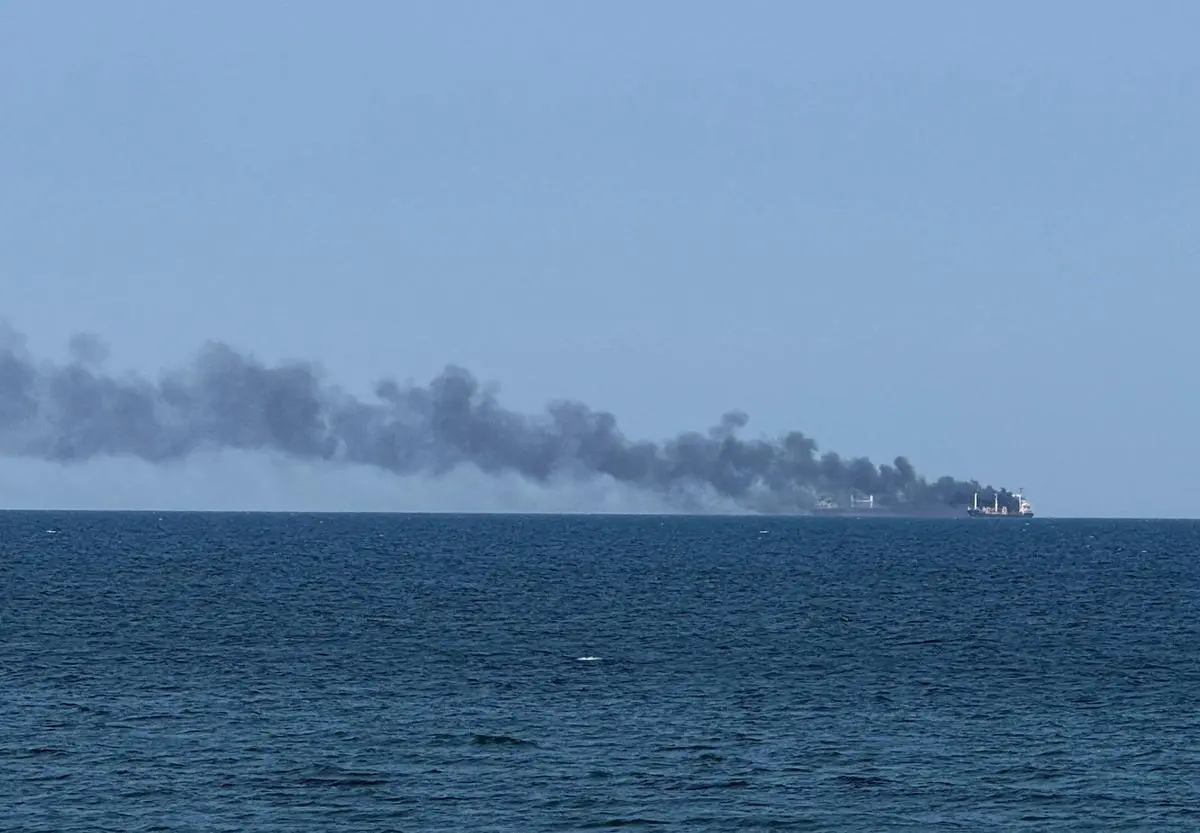
Iran has reported attacks or damage involving several oil tankers in the waterway, while its Revolutionary Guard has warned U.S. military forces against expanding their presence in the Gulf.
Any major disruption to the strait could have significant consequences for international oil supplies and global prices.
Additional US Military Forces in Region
The United States has continued deploying military assets to the region as tensions remain elevated.
The deployments are intended both to protect American personnel and commercial shipping and to preserve Washington’s ability to respond if attacks escalate.
Gulf Countries Fear Wider Conflict
Regional governments have increasingly warned that renewed U.S.-Iran fighting could spread beyond the two countries.
Turkey’s Foreign Minister Hakan Fidan said on October 23 that renewed attacks on Iran could expand the conflict and argued that diplomacy remained the only viable solution.
European officials have issued similar warnings, pointing to the risk of higher oil prices and further instability.
Iran Warns US Bases Could Be Targeted
Iranian military officials have warned that U.S. military installations in the region could become targets if Washington escalates operations.
Such threats have contributed to heightened security around American embassies, military bases and other facilities.
Diplomacy Continues Despite Tensions
Despite the military rhetoric, diplomatic channels have not been completely closed.
Regional governments and European powers are continuing efforts to bring Washington and Tehran back toward negotiations.
Turkey, Saudi Arabia, Egypt and European governments have all participated in discussions aimed at preventing another major escalation.
Oil Markets Watching Situation Closely
The risk of renewed fighting has already affected energy markets.
Oil prices have remained elevated because of Houthi attacks, instability around the Strait of Hormuz and concerns about possible additional U.S. or Israeli strikes against Iran.
Any serious disruption to Gulf energy infrastructure could push prices significantly higher.
US Focuses on Protecting Personnel
For now, Washington’s clearest immediate action is the reduction of diplomatic staffing and strengthening of security around American personnel.
The State Department has not announced a new offensive against Iran, and officials have cautioned against linking the embassy measures directly to military planning.
However, Trump’s latest remarks and the continuing U.S. military presence mean the possibility of further escalation remains a central concern across the region.
Source: Associated Press, Reuters, U.S. officials
Supreme News Network