
WASHINGTON, September 17: U.S. President Donald Trump has said he hopes the war against Iran is moving toward an end, even as fighting expands across the region with Saudi airstrikes in Yemen and fresh Houthi missile and drone attacks on Saudi Arabia. The conflict is now in its seventh month and continues to disrupt energy supplies and shipping routes across the Middle East.
Trump Says Iran Wants a Deal
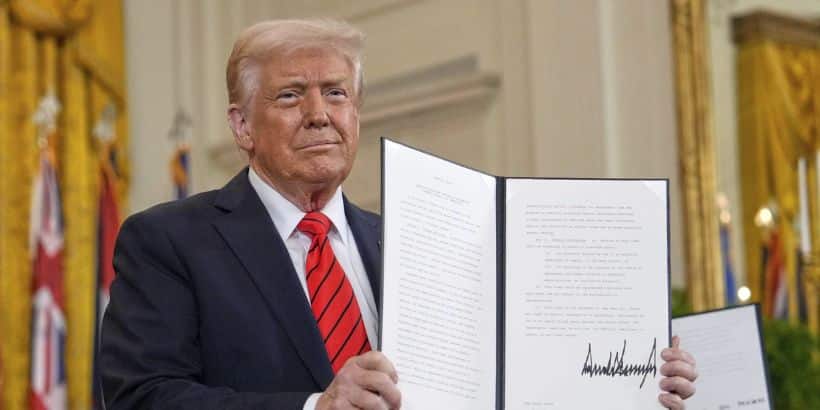
Speaking to reporters, Trump said he hoped the conflict was approaching its conclusion and claimed that Iran wants to reach an agreement.
He also said he had heard from Iran “directly,” but did not provide further details about the contact or whether formal negotiations were underway.
The current war began on February 28, when the United States and Israel launched attacks on Iran and Tehran responded by striking Israel and U.S. bases in Gulf countries.
Houthi-Saudi Fighting Intensifies
While Trump expressed hope for an end to the Iran conflict, fighting between Saudi Arabia and Yemen’s Iran-backed Houthis has intensified.
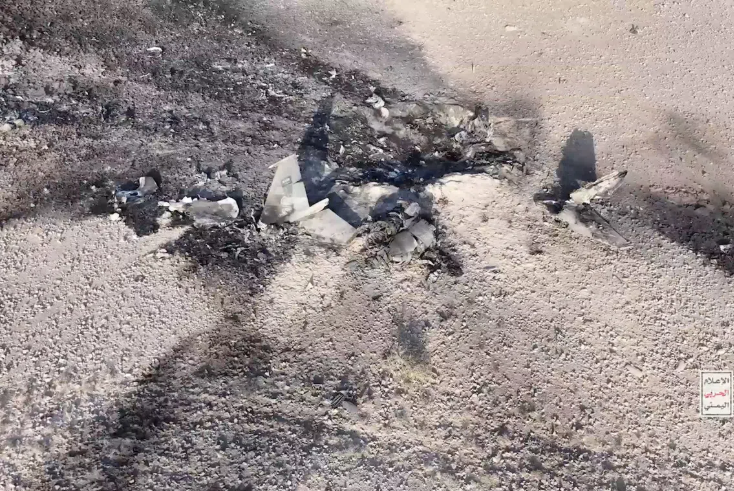
Houthi military spokesman Yahya Saree said the group had launched fresh missile and drone attacks targeting the Saudi Red Sea oil port of Yanbu and a military airbase at Khamis Mushait.
Saudi-backed Yemeni officials have acknowledged that their forces and Saudi Arabia are conducting airstrikes against Houthi positions, although Riyadh has not publicly confirmed the reported scale of the strikes.
Houthi Advance Raises Red Sea Concerns
The Houthis have recently advanced along Yemen’s Red Sea coast, increasing pressure on Saudi-backed forces and moving closer to strategically important maritime routes.
The renewed fighting has displaced more than 125,000 people, according to humanitarian estimates cited by the Associated Press, including more than 57,000 children.
The conflict has also increased security concerns around the Bab el-Mandeb Strait, a key route connecting the Red Sea with the Gulf of Aden and international shipping lanes.
Saudi Oil Infrastructure Comes Under Pressure
The widening conflict has created additional risks for Saudi Arabia’s oil infrastructure.
The kingdom’s East-West oil pipeline has been shut following an attack, while Houthi operations have also targeted oil facilities and shipping routes in the Red Sea.
Reuters reported that a prolonged shutdown of the East-West pipeline could affect supplies equivalent to as much as 4% of global oil supply, while Saudi Arabia has not announced when full operations will resume.
Oil Prices Remain Elevated
Global energy markets have reacted sharply to the regional escalation.
Brent crude had traded near $108 per barrel before easing as reports emerged that Saudi Arabia was offering additional oil cargoes through Oman. Early Thursday, Brent futures fell to around $104.59 per barrel, while U.S. West Texas Intermediate traded near $101.29.
Shipping disruptions through the Strait of Hormuz remain another major concern. Before the conflict, the waterway carried roughly 20% of global oil and liquefied natural gas supplies.
Trump Expected to Meet Gulf Leaders
Trump is expected to hold discussions with Gulf leaders on the sidelines of the United Nations General Assembly, according to a Reuters report citing Axios.
The reported meeting could include representatives from Saudi Arabia, the United Arab Emirates, Qatar, Bahrain, Kuwait and Oman as governments discuss the next steps in the regional conflict. The White House and U.S. State Department had not confirmed the meeting at the time of the report.
Meanwhile, diplomatic efforts are continuing, with Oman and Egypt involved in attempts to reduce tensions between Saudi Arabia and the Houthis.
The combination of the Iran war, renewed fighting in Yemen and threats to major oil routes has increased pressure on regional governments to prevent further escalation.
source – Reuters / Associated Press
Supreme News Network