Ahmedabad, October 12, 2026: Garba, once rooted primarily in village communities and devotional gatherings dedicated to Ambe Maa, has evolved into one of Gujarat’s most prominent cultural and commercial phenomena. During Navratri 2026, the traditional dance form is drawing attention not only for its religious and social significance but also for the growing industry surrounding large venues, corporate sponsorships, fashion, celebrity appearances and premium experiences.
Garba Began as a Community Tradition
Historically, Garba was performed in villages and neighbourhoods during Navratri as a devotional celebration dedicated to the goddess. Participants traditionally danced in circles, often around a lamp or a symbolic representation of divine energy.
The practice brought communities together through devotion, music and collective participation, making Garba both a spiritual observance and a social gathering.
Tradition Continues Despite Changing Scale
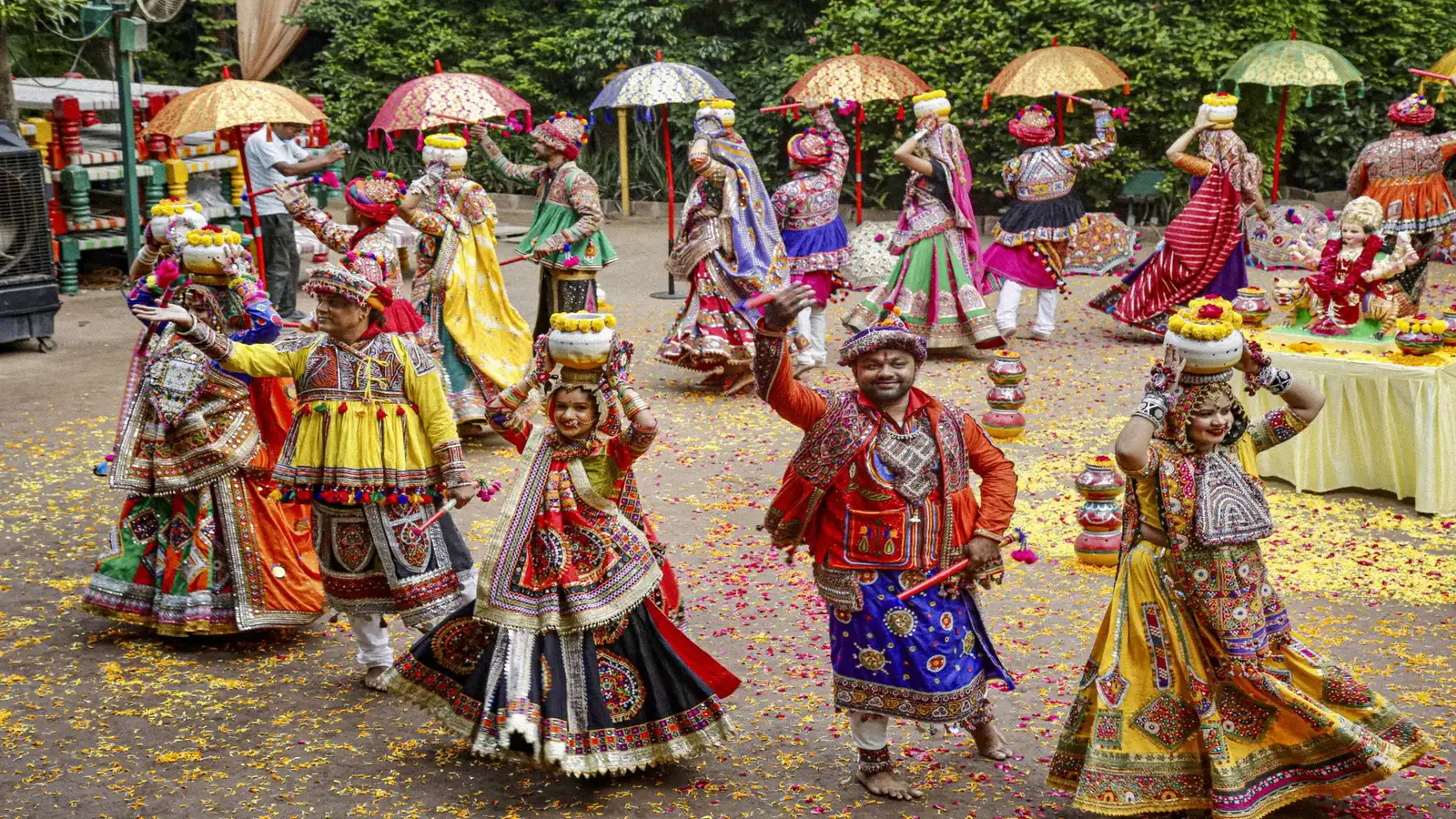
Although modern Garba celebrations have expanded considerably, many traditional elements remain central to the experience. Group dancing, devotional music, traditional attire and community participation continue to define the festival.
At the same time, larger venues, elaborate stage production and growing audiences have transformed the way organised Garba events are conducted, particularly in Gujarat’s major cities.
Commercial Garba Has Become Big Business
Organised Garba events now support a wide range of commercial activities. Ticket sales, food stalls, sponsorships, event management, security services, fashion, music and hospitality contribute to the seasonal economy surrounding Navratri.
Cities such as Ahmedabad and Vadodara have become prominent centres for large-scale celebrations, attracting participants, performers, vendors and businesses during the festival.
Premium Garba Experiences Gain Popularity
Some organisers are introducing premium packages designed to offer visitors additional comfort and exclusive services. These may include valet parking, VVIP seating, dedicated service staff and reserved tables.
While entry passes and season tickets remain available at different price points, some luxury packages have reportedly exceeded ₹1 lakh for a VIP table. This reflects the growing range of experiences available at commercial Garba events, extending from community celebrations to high-end entertainment.
Fashion and Celebrity Culture Add to the Spectacle
Fashion has become a major feature of contemporary Garba nights. Participants often wear colourful traditional outfits, including chaniya cholis and kediyus, while organisers invest in elaborate decorations, lighting and stage designs.
Celebrity appearances and professional performances can add to the attraction of large events. Social media has further amplified this trend, with outfits, dance performances and festival moments reaching audiences well beyond the venues themselves.
Corporate Sponsorships Expand the Festival Economy
Major Garba venues offer brands an opportunity to connect with large audiences during one of Gujarat’s most celebrated festivals. Corporate sponsorships, digital promotions and branded experiences have consequently become increasingly visible at organised events.
These partnerships provide additional revenue for organisers while allowing businesses to promote their products and services during the festive season.
Commercialisation Sparks Debate Over Cultural Authenticity
The expansion of commercial Garba has prompted debate about preserving the festival’s traditional character. Supporters argue that larger events introduce Gujarati culture to wider audiences, create employment and help keep the tradition popular among younger generations.
Critics, however, are concerned that excessive commercialisation could overshadow the devotional and community-centred values associated with Garba. The debate highlights the challenge of balancing cultural preservation with the changing expectations of modern audiences.
Community Celebrations Remain Important
Despite the popularity of large ticketed events, neighbourhood and community Garbas continue across Gujarat. For many families, Navratri remains an occasion for prayer, social connection and cultural participation.
These smaller gatherings help preserve traditions passed down through generations and demonstrate that Garba’s significance extends beyond commercial entertainment.
Garba’s Global Recognition Continues to Grow
Garba celebrations now take place across India and in countries with significant Gujarati communities. Overseas Navratri events bring together people through traditional music, dance, attire and devotional practices.
The dance form’s combination of cultural expression, spirituality and collective participation has helped it gain recognition beyond its regional origins.
Navratri 2026 Reflects Both Continuity and Change
Garba’s transformation illustrates how traditional festivals can evolve alongside tourism, entertainment and consumer culture. While large-scale events have created new economic opportunities, the festival’s religious and community roots remain important to many participants.
From neighbourhood gatherings dedicated to Ambe Maa to premium events attracting thousands of people, Garba continues to represent both Gujarat’s cultural heritage and its changing festival economy.
Source: The Indian Express, The Times of India
Supreme News Network