


Varanasi, November 28, 2026: The inaugural Banaras Biennale has opened in Varanasi, bringing rare archival collections, centuries-old artistic traditions and contemporary creative works together in a month-long celebration of the city’s cultural heritage.
The event began on Friday, November 27, and will continue until December 31, 2026, with exhibitions and programmes spread across more than 15 venues.
Organised by the Confederation of Indian Industry (CII), the festival is being presented in partnership with the Ministry of Culture, Ministry of Tourism, Uttar Pradesh government and Banaras Hindu University (BHU).
Themed “Kashi/Light: City as Sensorium,” the Biennale explores the relationship between Varanasi’s historic traditions and the ways its culture continues to develop through art, textiles, music, scholarship and everyday life.
One of the event’s main attractions is the public presentation of rare paintings, sculptures and textiles from the collection of Bharat Kala Bhavan, the historic museum at Banaras Hindu University.
Several of these objects are being displayed publicly for the first time, offering visitors an opportunity to explore material that has remained in museum storage for decades.
Banaras Biennale Begins With Month-Long Cultural Programme
The Banaras Biennale officially opened on November 27, marking the beginning of a new cultural initiative for Varanasi.
The opening day was reserved for invited guests and media representatives.
Public programming began on November 28.
The inaugural edition includes exhibitions, guided museum tours, art installations, musical performances, film screenings, heritage walks and discussions involving artists and scholars.
Rather than concentrating activities in one exhibition hall, organisers have designed the Biennale as a city-wide cultural experience.
Museums, universities, galleries, historic buildings and spaces along the Ganga are being used to connect visitors with different aspects of Banaras.
The festival will continue throughout December.
What Is the Theme of Banaras Biennale 2026?
The theme of the inaugural edition is “Kashi/Light: City as Sensorium.”
It examines Varanasi through its visual, historical, artistic and sensory experiences.
The concept treats the city not simply as a collection of monuments but as a place where cultural traditions remain active.
Organisers aim to explore how art, music, literature, craftsmanship and religious practices have evolved through generations.
The Biennale brings historic objects into dialogue with contemporary artists who interpret similar subjects through new materials and techniques.
Its curatorial approach emphasises continuity rather than presenting historical art and contemporary creativity as unrelated fields.
More Than 15 Venues Participate Across Varanasi
The Biennale is taking place across more than 15 locations, including university museums, cultural centres, historic spaces and riverfront venues.
Major participating locations include Bharat Kala Bhavan, Ahivasi Gallery and Swatantrata Bhavan at Banaras Hindu University.
Other venues include Jnana Pravaha, Nagari Pracharini Sabha, Peshwa Haveli, Chet Singh Fort and Namo Ghat.
Individual venues are hosting different combinations of exhibitions, performances, discussions and educational programmes.
The city-wide approach allows visitors to explore cultural heritage in its geographical setting.
It also provides opportunities for smaller institutions and specialist collections to reach wider audiences.
Bharat Kala Bhavan Opens Rare Archival Collections
Bharat Kala Bhavan is one of the central venues of the Biennale.
The museum, situated within Banaras Hindu University, has a history extending over a century.
Its collections include miniature paintings, sculptures, textiles and other objects associated with Indian art and cultural history.
The inaugural Biennale draws attention to material collected under the leadership of the museum’s founder-director, Rai Krishna Das.
According to The Indian Express, several works that have remained in storage are being brought before the public for the first time.
The exhibitions also place historic objects alongside contemporary creations.
This arrangement allows visitors to examine how artistic subjects, materials and cultural ideas have changed over time.
‘Lines in the Water’ Explores Varanasi’s Relationship With the Ganga
One of the Biennale’s principal exhibitions is “Lines in the Water,” curated by art historian Gayatri Sinha.
The exhibition explores Banaras as a city shaped by the River Ganga.
It brings together paintings, sculptures, miniature artworks and contemporary installations.
The curatorial concept examines how the river has influenced the city’s physical environment, artistic imagination and cultural identity.
Historic works are presented alongside contemporary interpretations.
The exhibition is intended to encourage visitors to consider the Ganga not only as a geographical feature but also as a recurring subject in the city’s art and cultural memory.
Gayatri Sinha serves as the lead curator for the Biennale’s visual arts programme.
‘Ek Dhaga, Ek Duniya’ Celebrates Banarasi Silk and Zari
Another major exhibition is “Ek Dhaga, Ek Duniya: Silk, Zari and the Light of Kashi.”
Curated by Pramod Kumar KG, it focuses on the evolution of Varanasi’s textile traditions.
The exhibition includes historic textiles, Banarasi brocades and contemporary creations.
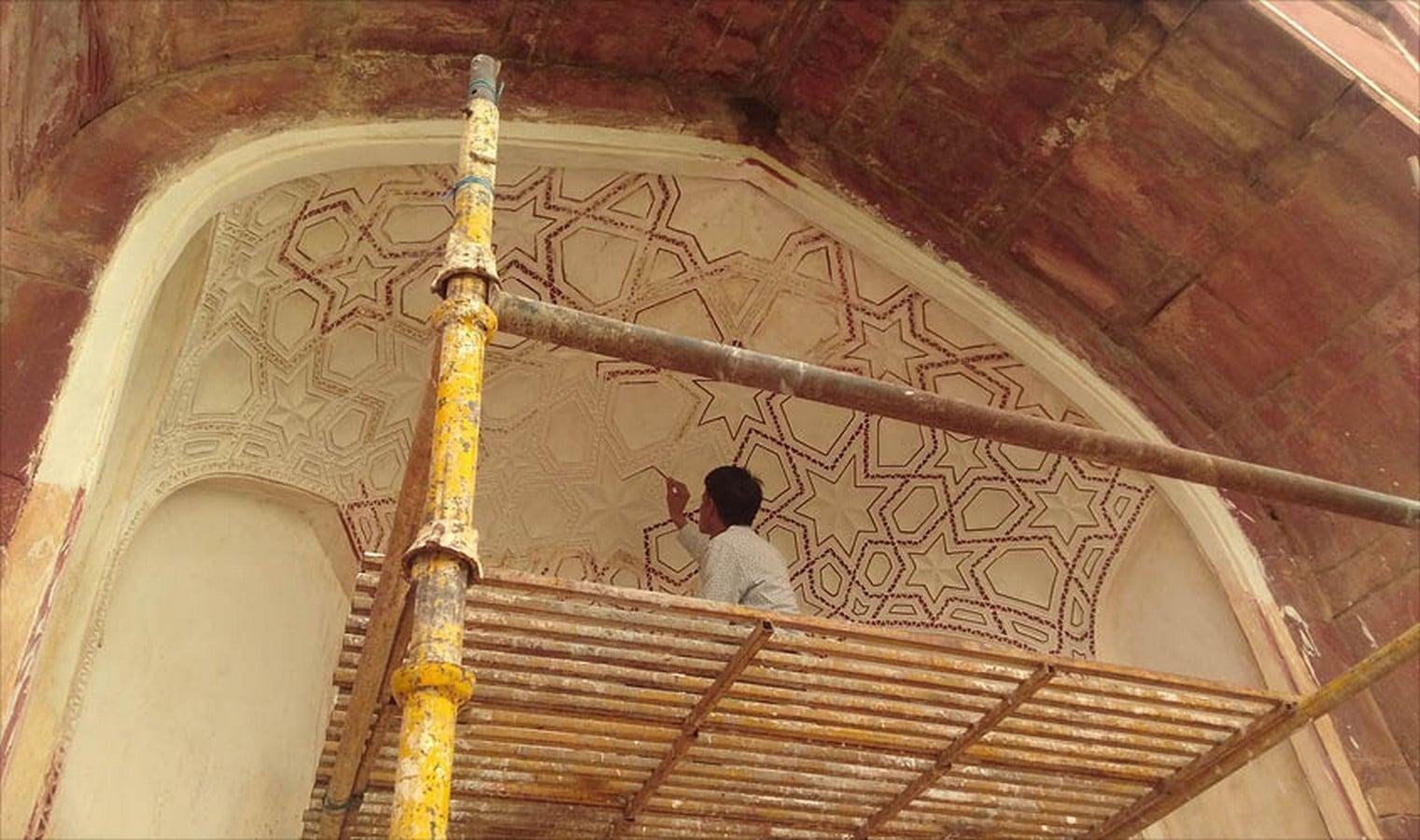
Visitors can explore the relationship between weaving techniques, decorative patterns, materials and craftsmanship.
The presentation aims to show that Banaras’s textile heritage extends beyond the familiar image of the red Banarasi wedding sari.
It also highlights the knowledge passed between generations of artisans.
By presenting older textiles alongside modern examples, the exhibition demonstrates how traditional craftsmanship adapts to changing tastes and circumstances.
Century-Old Collections Meet Contemporary Artists
A defining feature of the Biennale is its decision to bring archival material into conversation with modern artistic work.
Historical paintings and sculptures are being presented alongside contemporary installations and other creative expressions.
This approach allows audiences to observe similarities and differences in how artists represent cultural ideas.
It also creates opportunities to reconsider objects that are usually studied primarily as historical artefacts.
The organisers describe the event as a celebration of living culture.
The exhibitions seek to demonstrate that artistic traditions can remain meaningful through reinterpretation and continued practice.
The focus is therefore on both preservation and contemporary creativity.
Banaras Hindu University Plays Central Role
Banaras Hindu University is one of the Biennale’s principal institutional partners.
The university is hosting several exhibitions and programmes.
At Bharat Kala Bhavan, visitors can explore the two major curated exhibitions.
Ahivasi Gallery is presenting a photography exhibition featuring works by photographers from across India.
Swatantrata Bhavan is showcasing creative work by BHU students and faculty members.
These activities bring established artists, emerging practitioners and academic institutions onto the same platform.
BHU Vice-Chancellor Ajit Kumar Chaturvedi has described the Biennale as an opportunity to connect scholarship, industry and cultural activity.
BHU and CII Sign Partnership Agreement
The opening also featured a memorandum of understanding between Banaras Hindu University and the Confederation of Indian Industry.
The agreement aims to strengthen cooperation between education, industry and cultural organisations.
According to The Times of India, the partnership includes plans for a CII Education to Employment Career Lounge at BHU.
The initiative is intended to support students and young professionals in exploring employment opportunities.
Other proposed activities include the CII Artisan Development and Design Centre and the Varanasi Healthy Weavers Initiative.
These programmes aim to connect cultural preservation with practical support for artisans and their livelihoods.
The implementation details and outcomes of these initiatives will depend on further action by the participating organisations.
Industry-Led Cultural Initiative Draws Attention
The Banaras Biennale is notable for the role played by an industry organisation in supporting the event.
The Confederation of Indian Industry is leading the initiative in cooperation with public institutions and cultural partners.
Madhav Singhania, chairman of the Biennale’s steering committee, has emphasised the importance of industry participation in supporting artistic traditions.
Organisers argue that cultural heritage requires continued patronage and opportunities for artists and craftspeople.
The festival represents an attempt to create a larger platform for collaboration between industry, educational institutions, museums and creative practitioners.
It remains to be seen how these partnerships will develop beyond the inaugural edition.
Tarana Sawhney Highlights Rare Archival Works
Tarana Sawhney, chairperson of the CII National Committee on Art and Culture, has drawn attention to the Biennale’s emphasis on revealing existing cultural collections.
Unlike many international art exhibitions that primarily focus on bringing new works to a host city, the Banaras event places considerable importance on objects already preserved locally.
This includes delicate paintings and textiles that have not regularly been available for public viewing.
The approach provides an opportunity for audiences to encounter collections associated with Varanasi’s artistic history.
It also highlights the responsibility of museums and cultural organisations to preserve fragile material while making it accessible under suitable conditions.
Jnana Pravaha Hosts Art and Cultural Exhibitions
Jnana Pravaha is another important participating venue.
Its programme includes presentations such as “Kalamandapa” and “India Story: Banaras Edit.”
The exhibitions explore aspects of Indian art, cultural history and the traditions associated with Banaras.
The venue is contributing to the Biennale’s wider objective of combining scholarship with artistic presentation.
Visitors can encounter material that reflects the city’s place within broader Indian cultural traditions.
The events also create opportunities for discussions involving scholars, artists and cultural practitioners.
Historic Venues Become Exhibition Spaces
The Biennale extends beyond established museum buildings.
Peshwa Haveli, located near Raja Ghat, is participating through exhibitions and artistic presentations.
Its programme includes “Kashi: The Eternal City,” which examines Varanasi’s history, archaeology and continuing cultural traditions.
The venue is also associated with contemporary art installations and curated walkthroughs.
Chet Singh Fort, located along the Ganga, served as a setting for the opening evening.
Using historic buildings as cultural venues allows visitors to experience art within spaces that have their own architectural and historical significance.
Photography Exhibitions Showcase Different Perspectives
Photography is another part of the Biennale’s programme.
Ahivasi Gallery at BHU is hosting a presentation featuring photographers from different parts of India.
Photography offers a way to examine everyday life, architecture, communities and changing urban landscapes.
The exhibition contributes a modern visual perspective to a festival otherwise strongly associated with historic artefacts and traditional craftsmanship.
Other photographic and archival presentations are scheduled across participating institutions.
These displays add to the festival’s exploration of memory, cultural identity and the changing character of Varanasi.
Music and Live Performances Bring the Festival to the Ghats
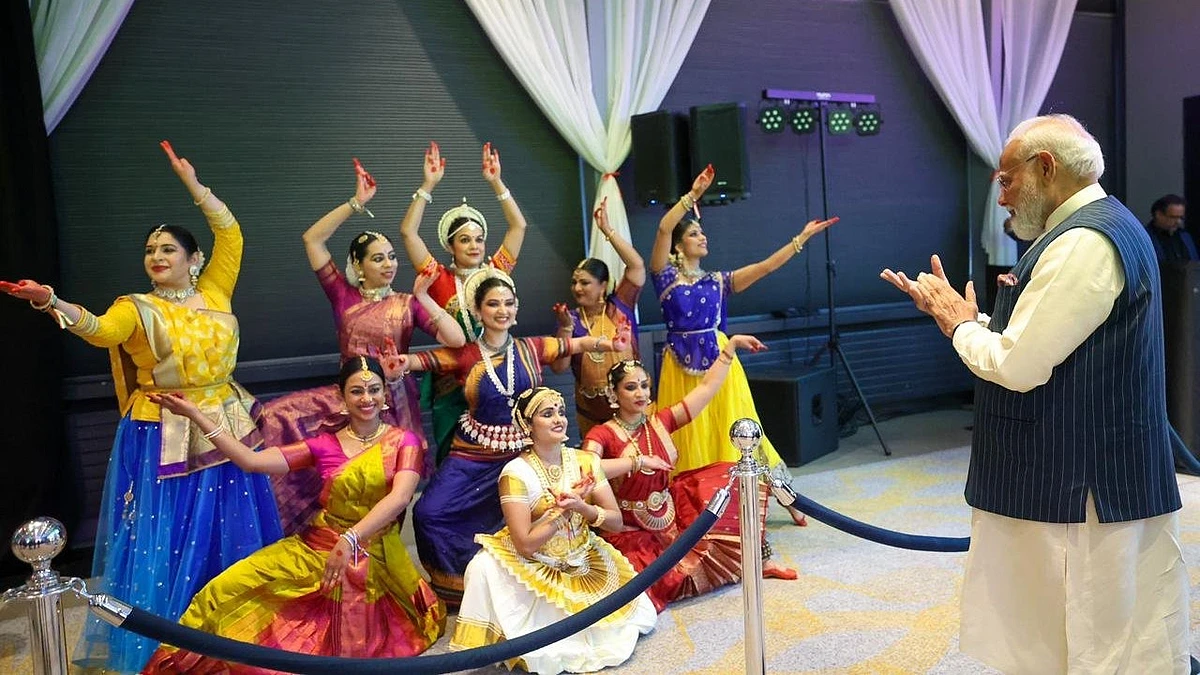
The Biennale includes musical performances and other live cultural events.
Scheduled performers include Trio Benares, Kabir Café and Backstage Siblings.
Their participation reflects the festival’s effort to showcase different musical forms and contemporary interpretations.
Venues along the Ganga will host selected performances.
The programme also includes opportunities for audiences to engage with music beyond conventional concert halls.
These activities are intended to connect the city’s performing arts traditions with its public spaces.
Individual performances remain subject to the organisers’ published schedule.
Namo Ghat Hosts Food and Handicraft Events
Namo Ghat is one of the major public venues for the Biennale.
Its programme includes a food festival, handicraft market and other cultural activities.
The events offer visitors opportunities to experience aspects of Banaras’s food and craft traditions.
Artisans and craftspeople are expected to participate through demonstrations and displays.
The broader programme also includes the Karigari Pavilion, which focuses on craftsmanship and material knowledge.
These activities expand the festival beyond museum exhibitions and formal art presentations.
They also provide a platform for local producers and traditional crafts.
Heritage Walks and Film Screenings Included
The Biennale’s programme includes guided heritage walks through Varanasi’s historic areas.
These activities aim to introduce participants to the city’s architecture, neighbourhoods and cultural history.
The CII Banaras Film Festival forms another component of the programme.
Film screenings, discussions and other sessions are included in the opening-period events.
Together, these activities offer different ways to explore the city’s heritage.
They also encourage visitors to engage with cultural institutions and locations beyond the main exhibition venues.
Preview Week Runs Until December 1
The festival’s opening period is known as Preview Week.
It runs from November 27 to December 1.
The first day was limited to invited guests and media representatives.
From November 28, the programme opened to the public.
Preview Week includes curated exhibitions, museum visits, art presentations, performances and cultural discussions.
The remaining exhibitions and associated activities will continue through December, according to the schedules published by participating venues.
Visitors should confirm individual timings before attending, as programmes can vary between locations.
Banaras Biennale to Continue Until December 31
The inaugural event is scheduled to conclude on December 31, 2026.
This gives visitors more than a month to explore different aspects of the programme.
Not every exhibition or performance will take place throughout the entire period.
Some events are scheduled for specific dates during Preview Week.
Others will remain accessible for longer periods.
The organisers have published the schedule and venue details on the official Biennale website.
The extended duration is intended to encourage repeated visits and broader participation.
Can the Biennale Support Local Artisans?
The event has an economic dimension alongside its cultural programme.
Banaras is internationally recognised for its weaving traditions, especially silk and brocade.
Artisans and craft-based businesses contribute to the city’s cultural identity and local economy.
The Biennale aims to increase visibility for traditional crafts while encouraging collaboration with designers, institutions and industry.
Proposed initiatives involving artisan development and weaver welfare could provide opportunities for longer-term support.
However, their effectiveness will need to be assessed through actual implementation and measurable outcomes.
The festival itself should not be presented as proof that artisans’ financial challenges have already been resolved.
Why the Biennale Matters for Indian Cultural Heritage
The inaugural Banaras Biennale places attention on the relationship between cultural preservation and contemporary creativity.
Many historic objects remain accessible mainly to researchers or specialised museum audiences.
Bringing selected archival collections into public exhibitions can encourage wider appreciation of these materials.
At the same time, contemporary artists provide new ways of interpreting older traditions.
The event also recognises the contributions of craftspeople, musicians, scholars and local communities.
Its central argument is that cultural heritage continues to evolve through the people who practise and reinterpret it.
The Biennale’s success will depend not only on visitor numbers but also on its longer-term contribution to the city’s artistic ecosystem.
Banaras Biennale 2026: Key Highlights
The inaugural Banaras Biennale opened in Varanasi on November 27, 2026.
The festival will continue until December 31.
It is organised by the Confederation of Indian Industry in partnership with government departments and Banaras Hindu University.
The theme is “Kashi/Light: City as Sensorium.”
More than 15 venues are participating across the city.
Bharat Kala Bhavan is presenting rare archival collections alongside contemporary works.
Major exhibitions include “Lines in the Water” and “Ek Dhaga, Ek Duniya: Silk, Zari and the Light of Kashi.”
The programme features miniature paintings, sculptures, textiles, photography, music and installations.
BHU and CII have signed a partnership agreement covering education, industry and cultural initiatives.
Public programmes began November 28 following an invitation-only opening.
Heritage walks, film screenings, handicraft activities and performances form part of the festival.
The Biennale brings Varanasi’s historic collections and living creative traditions together in a month-long cultural programme.
Source – The Indian Express, The Times of India, Confederation of Indian Industry, Banaras Hindu University, Ministry of Tourism
Supreme News Network

Yeah bookmaking this wasn’t a risky determination outstanding post! .