

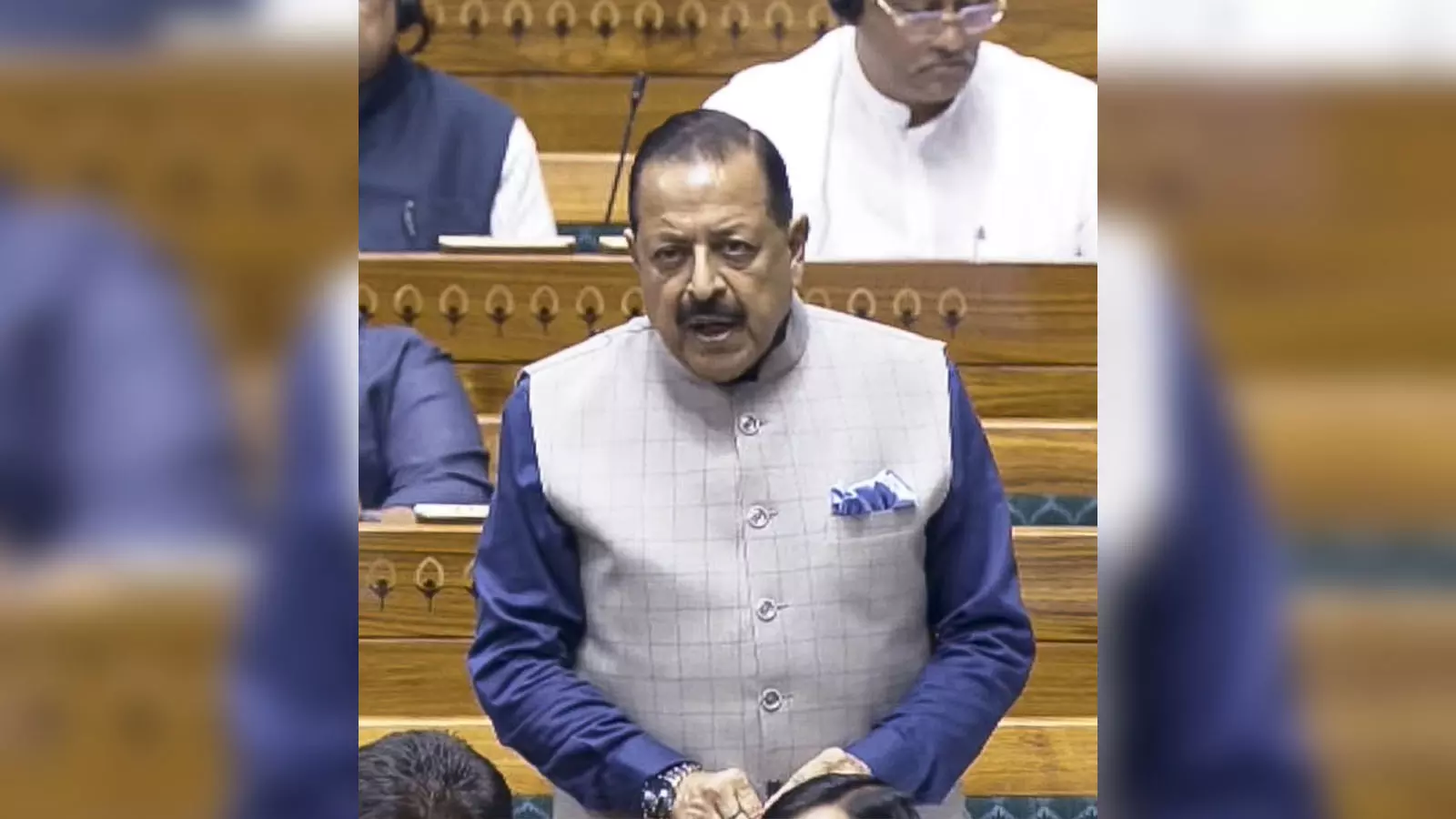
The issue of IIT brain drain and the future of India’s higher education system featured prominently during discussions in Parliament on Tuesday, with lawmakers debating ways to retain top talent while strengthening opportunities for research, innovation, and employment within the country. Alongside the discussion, examination reforms and anti-paper leak measures continued to remain major concerns for students, educational institutions, and recruitment agencies.
Members highlighted the need for a transparent, secure, and globally competitive education ecosystem that encourages highly skilled graduates to build their careers in India.
Brain Drain Becomes Key Topic
During the discussion, lawmakers expressed concern over the migration of graduates from premier institutions such as the Indian Institutes of Technology (IITs) to overseas universities and multinational companies.
Several members suggested measures to encourage talented graduates to remain in India, including:
- Increased investment in research and development.
- Expansion of high-quality employment opportunities.
- Stronger collaboration between academia and industry.
- Improved startup and innovation support.
- Better funding for advanced scientific research.
Experts noted that while global exposure benefits students, retaining skilled professionals is equally important for India’s long-term economic growth.
Examination Reforms Continue
Parliament also reviewed ongoing efforts to improve the country’s examination and recruitment system following repeated concerns over examination security.
Key reform areas include:
- Prevention of question paper leaks.
- Secure digital examination systems.
- AI-based monitoring technology.
- Faster investigation of malpractice.
- Greater transparency in recruitment.
- Uniform examination standards.
The government reiterated that reforms are aimed at restoring confidence among millions of competitive examination aspirants.
Anti-Paper Leak Measures
Officials informed Parliament that the recently established Examination Reform Task Force has begun consultations with stakeholders to recommend structural improvements.
Among the proposals under consideration are:
- End-to-end encrypted question paper transmission.
- Biometric verification of candidates.
- Enhanced cybersecurity infrastructure.
- Real-time monitoring of examination centres.
- Stronger legal penalties for organised examination fraud.
Authorities believe technology-driven reforms will significantly improve examination integrity.
Students and Recruitment Agencies Welcome Debate
Student organisations and recruitment experts have welcomed continued parliamentary attention to examination reforms.
Many candidates have emphasised the importance of:
- Fair examinations.
- Timely recruitment.
- Merit-based selection.
- Transparent evaluation.
- Faster grievance redressal.
Recruitment agencies also support reforms that improve credibility and reduce delays in hiring processes.
Long-Term Education Strategy
Education policy experts believe the discussions on IIT brain drain and examination reforms are closely connected.
They argue that improving higher education quality, expanding research opportunities, and ensuring transparent recruitment can collectively strengthen India’s talent ecosystem and reduce the outflow of skilled professionals.
Looking Ahead
The government is expected to continue consultations with educational institutions, industry leaders, recruitment agencies, and state governments before implementing further reforms.
The parliamentary discussion reflects growing recognition that strengthening education, protecting examination integrity, and creating world-class career opportunities remain essential for India’s future development.
Source: Parliament proceedings, Ministry of Education, Government of India, and official examination reform briefings.
Original Report: Parliament discussed IIT brain drain, examination reforms, and anti-paper leak measures while emphasising the need for transparent recruitment and stronger educational opportunities.
Supreme News Network



The structure of the post made it easy to follow without losing track of where I was, and a look at builddigitalgrowthpaths kept the same logical flow going, this site clearly understands that organisation is half the battle in keeping readers engaged from the first line to the last across any kind of post.