

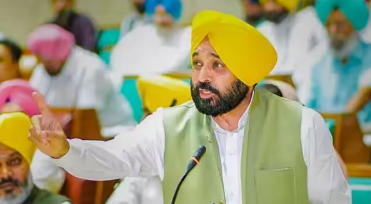
Chandigarh, October 31, 2026: As Punjab marks 60 years since its reorganisation into a Punjabi-speaking state, the anniversary has renewed debate over the state’s economic decline, rising debt, dependence on welfare schemes and the changing place of Punjabi identity in its politics and public life.
Punjab Marks Six Decades Since Reorganisation
Punjab was reorganised on November 1, 1966, following the Punjabi Suba movement, which sought the creation of a Punjabi-speaking state.
The movement was closely linked to questions of language and identity, but six decades later, Punjabi itself has expanded far beyond the state through music, popular culture and the global diaspora.
From Economic Leader to Fiscal Stress
Punjab was once among India’s richest major states on a per-capita basis, driven by the Green Revolution and its central role in national food production.
Over time, however, its relative economic position has weakened. The state ranked at the bottom among major states in the NITI Aayog Fiscal Health Index in recent assessments, while its debt burden has continued to rise.
Debt Expected to Remain a Major Challenge
Punjab’s outstanding debt stood at around ₹3.46 lakh crore in 2023-24 and was projected to cross ₹4 lakh crore in the following years.
A large share of government revenue is absorbed by salaries, pensions, interest payments and subsidies, limiting the amount available for infrastructure and long-term investment.
Welfare Schemes Remain Politically Popular
Successive governments in Punjab have expanded welfare programmes, ranging from free electricity and subsidised food to free bus travel for women and cash-assistance schemes.
The current Bhagwant Mann-led government has defended such programmes as essential support for households, while critics argue that the growing subsidy burden adds pressure to an already strained fiscal position.
Agriculture Faces Structural Problems
Punjab remains a major agricultural state, but the model that powered its earlier prosperity is increasingly under stress.
Rice cultivation continues to consume large quantities of groundwater, while falling water tables and limited crop diversification have become major long-term concerns. Punjab’s share in central wheat and rice procurement has also declined compared with the 1980s.
Industry and Employment Remain Key Concerns
Punjab has struggled to attract the scale of industrial investment seen in several other states.
The IT boom largely bypassed the state, and concerns remain over whether Punjab can take advantage of emerging sectors such as artificial intelligence, advanced manufacturing and technology-driven services.
Punjabi Identity Remains Strong
While Punjab faces economic and governance challenges, the Punjabi language has gained strong cultural visibility nationally and internationally.
Punjabi music, cinema and global artists have helped expand the language’s reach, even as debates continue over whether it receives enough institutional support in administration, education and emerging technologies.
Anniversary Brings Focus Back to Punjab’s Future
At 60, the larger question is no longer only about preserving Punjabi identity but about rebuilding Punjab’s economic competitiveness.
Fiscal discipline, industrial revival, agricultural reform, employment generation and better long-term investment are likely to remain central to the state’s political debate in the years ahead.
Source: The Indian Express
Supreme News Network

Really impressed with the fast payouts here. The interface is smooth and everything works perfectly on my mobile. Highly recommend jljl7login to everyone!
Finally found a place that actually pays out consistently. The games are fair and the vibe is just right. Highly recommend checking this one out. idgacor777