

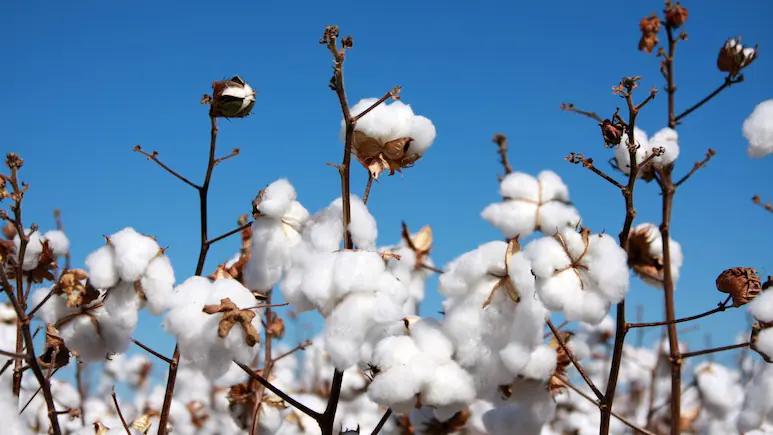
New Delhi, October 31, 2026: India has extended the duty-free import window for cotton until December 31, 2026, giving textile mills two additional months of relief as domestic cotton prices remain firm and production concerns persist. The exemption was earlier scheduled to expire on October 31.
11% Import Duty Exemption Extended
The government had waived the 11% customs duty on cotton imports from June 1 to October 31 to improve raw material availability for the textile industry.
The latest extension keeps the exemption in place through the end of December, allowing mills to continue importing cotton without the additional duty burden.
Domestic Cotton Prices Remain Firm
Cotton prices were expected to soften with the arrival of the new crop in October, but they have remained elevated.
Concerns over patchy monsoon rainfall and lower production prospects have contributed to tighter supplies and continued price pressure in the domestic market.
Textile Mills Had Sought Extension
Textile industry representatives had urged the government to extend the duty-free import period, arguing that higher cotton prices were raising manufacturing costs and weakening competitiveness.
The exemption is expected to help spinning mills, garment manufacturers and other textile businesses manage raw material costs more effectively.
Imports Could Rise From Major Suppliers
The extension may lead to higher cotton imports from countries such as the United States, Brazil and Australia.
India is the world’s second-largest cotton producer, but lower domestic output and tight inventories have increased the industry’s dependence on imported supplies during the current season.
Textile Sector Faces Competitive Pressure
India’s textile manufacturers compete with exporters from countries including Bangladesh and Vietnam, where raw material and operating costs can be lower.
Industry groups believe access to duty-free cotton could help Indian mills improve cost competitiveness and protect export orders.
Government Seeks to Balance Mills and Farmers
When the original exemption was announced, the government said the measure was intended to improve cotton availability, support MSMEs and reduce input costs while also keeping farmers’ interests in mind.
The extension through December will now be closely watched for its impact on domestic cotton prices, imports and textile-sector margins.
Source: Reuters, Ministry of Finance, Ministry of Textiles
Supreme News Network