

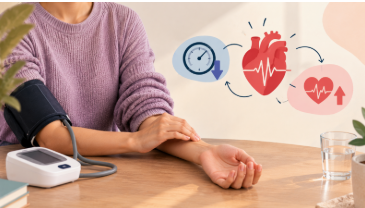
New Delhi, October 31, 2026: A new analysis involving more than 91,000 people has found that patients who take their blood-pressure medication consistently may receive significantly greater protection against heart attacks, strokes and other major cardiovascular events than those who frequently miss doses.
Study Analysed 91,339 Participants
Researchers examined data from 91,339 participants across nine clinical trials that compared blood-pressure treatment with either placebo or a less-intensive treatment approach.
Participants were divided into higher- and lower-adherence groups based on how regularly they took their prescribed medication. Those who took at least 80% of their assigned treatment were classified as having higher adherence.
Better Adherence Linked to Greater Blood-Pressure Reduction
Among participants with higher adherence, systolic blood pressure fell by an average of 5.2 mmHg in the treatment group compared with the comparison group.
Among those with lower adherence, the difference was smaller at about 3.0 mmHg, suggesting that inconsistent medication use may reduce the effectiveness of treatment.
Major Cardiovascular Events Were 11% Lower
Researchers also looked at serious cardiovascular events including heart attacks and strokes.
Among participants who took their medication more consistently, major cardiovascular events were 11% lower in the treatment group. In the lower-adherence group, researchers did not find a statistically significant reduction in these events.
Missing One Tablet Does Not Automatically Cause a Heart Attack
Experts cautioned that the findings do not mean that missing a single dose will immediately trigger a heart attack or stroke.
Instead, the study suggests that repeatedly missing medication can reduce the long-term protective benefits of blood-pressure treatment, particularly if blood pressure remains poorly controlled.
High Blood Pressure Often Has No Symptoms
Hypertension can remain unnoticed because many patients experience no obvious symptoms even when their blood pressure is elevated.
Over time, uncontrolled high blood pressure can damage arteries, strain the heart and increase the risk of stroke, heart attack, heart failure and kidney problems.
Medication Adherence Declines Over Time
The analysis also found that adherence tended to decline over time, even in controlled clinical-trial settings.
About 88% of participants met the higher-adherence threshold in the first year, but that figure fell to around 79% by the fifth year.
Experts Advise Patients Not to Stop Medication on Their Own
Doctors advise patients to continue taking prescribed blood-pressure medication unless their clinician recommends a change.
People who frequently forget doses may benefit from reminders, pill organisers or linking medication to a regular daily routine. Patients should also discuss side effects, costs or complicated medication schedules with their doctor rather than stopping treatment independently.
The findings reinforce the importance of taking hypertension treatment consistently to maintain its full cardiovascular benefits.
Source: European Society of Cardiology, The Indian Express, ScienceDaily
Supreme News Network