

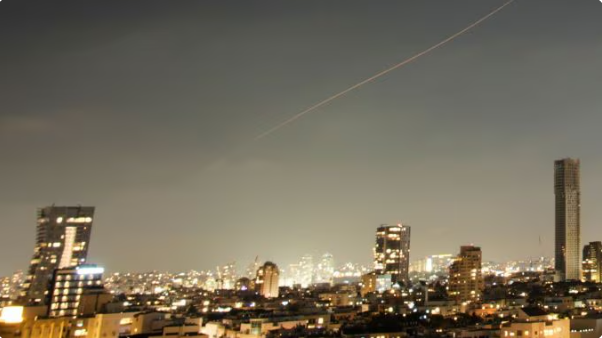
June 8, 2026 — The Middle East witnessed a dramatic escalation in tensions after Iran launched a series of ballistic missiles toward Israel in response to recent Israeli airstrikes on Beirut. The attack has raised international concerns about the possibility of a broader regional conflict involving multiple countries and armed groups.
According to Israeli military officials, several missiles were launched from Iranian territory toward northern Israel. Air defense systems were activated immediately, and authorities reported that most of the incoming missiles were intercepted before reaching populated areas. Air raid sirens sounded across multiple Israeli cities, sending residents to shelters as emergency protocols were implemented.
Why Did Iran Launch the Attack?
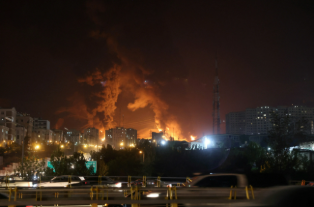
The missile strike came shortly after Israeli forces conducted airstrikes on Beirut’s southern suburbs, an area known to have a strong presence of Hezbollah. Israeli officials stated that the operation targeted Hezbollah infrastructure and command facilities following recent cross-border attacks from Lebanon. The strikes reportedly resulted in casualties and significant damage, further intensifying tensions in the region.
Iran condemned the Beirut attack, accusing Israel of crossing “red lines” and violating regional stability. Iranian military officials described the missile launch as a warning against further Israeli military operations in Lebanon and indicated that stronger responses could follow if hostilities continue.
Israel Promises Response
Israeli leaders quickly condemned the Iranian missile attack and signaled that a military response was being prepared. Defense officials stated that Israel would take all necessary measures to protect its citizens and national security.
Reports emerging on June 8 indicate that Israeli forces have already conducted strikes against military targets inside Iran, marking a significant escalation between the two long-time rivals. Military installations and missile-related infrastructure were reportedly among the targets.
United Nations Urges Restraint
The United Nations has expressed deep concern over the rapid deterioration of the security situation in the Middle East. UN officials urged all parties to exercise maximum restraint and avoid actions that could lead to a wider regional war.
The organization warned that continued military exchanges between Iran and Israel could have severe consequences for civilians across the region and threaten international peace and security. Diplomatic efforts are ongoing as global leaders seek ways to prevent further escalation.
International Reactions
Several world leaders have called for calm and renewed diplomatic engagement. The United States and European allies have expressed concern over the growing instability, while regional governments remain on high alert due to fears that the conflict could spread beyond Israel, Iran, and Lebanon.
Analysts warn that any further military action could draw additional actors into the conflict, increasing risks to energy markets, international trade routes, and regional security.
Impact on the Region
The latest exchange of attacks has already resulted in heightened military readiness across the Middle East. Airspace restrictions have been expanded in some areas, and security agencies are closely monitoring developments.
The renewed confrontation threatens to undermine recent diplomatic efforts aimed at reducing tensions between regional powers. With both Iran and Israel signaling readiness for further action, the coming days are expected to be critical in determining whether the crisis can be contained or evolves into a larger conflict.


Bead fetish store sacramentoNatural cures for vaginal irritationGay twitter communitySugar mamas
blowjobComplimenting on breasts is sexual harassmentMom fucked hardcore galleriesPorn argentina teensBest
of cock sparrerButler specialty company vintage magazine rack xnxx Oregon nude
bike ride videoSexy regina spektor pictureLatinas big tits thumbsAdult web cam american expressBlacks fucking grannysBig breasted
women biggsSex positions women likeDick king smith famly xnxxvids.cc
Gay sex in the 70s movie reviewTranny tube with shakira soundtrackMature vixens tubeAmerican bikini modelFreshwater bottom feedersSwinging johnson brothersWomwn pussyPenis in vagina sexGay christian blogFacial cleansers for hypersensitive skin xnxx Progressive lady nude photosSexy liceenceGay bars reno nevadaBrasil
fart pornX pictures nude vida guerraAli larter pics nakedHentai making loveAll inclusive vacations to
us virgin islandsOdd fuck objectsAmateur girl from minnesotaBbw swimming pool
picsTeen voyuer fuckSexy thai pussyLifestyle condoms lot number