

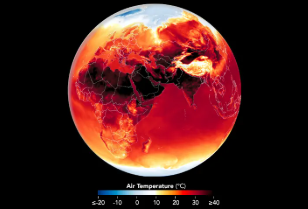
London/New Delhi/Washington: A severe heatwave is affecting several parts of the world, forcing governments and weather agencies to issue emergency alerts as temperatures continue to climb to dangerous levels. Experts warn that prolonged exposure to extreme heat could pose serious health risks, strain energy systems, and impact daily life for millions of people.
The latest weather patterns have brought unusually high temperatures across various regions, prompting authorities to take precautionary measures and advise residents to stay safe during the ongoing heatwave.
Temperatures Reach Dangerous Levels
Meteorological agencies in multiple countries have reported temperatures significantly above seasonal averages. In some regions, heat indexes have reached levels that can become dangerous for vulnerable populations, including children, senior citizens, and individuals with existing health conditions.
Weather experts say that urban areas are particularly vulnerable because concrete structures and limited green spaces can trap heat, creating what is known as the “urban heat island effect.”
As a result, cities are experiencing hotter nights and longer periods of extreme temperatures.
Emergency Alerts Issued
Governments and local authorities have activated emergency response plans in several regions.
Measures include:
- Opening cooling centers for residents
- Issuing public health advisories
- Increasing emergency medical readiness
- Monitoring power grid stability
- Providing guidance for outdoor workers
Officials have urged people to avoid unnecessary outdoor activities during peak afternoon hours and remain hydrated throughout the day.
Health Risks Increase
Medical professionals warn that heat-related illnesses can develop quickly during extreme weather conditions.
Common heat-related health issues include:
Heat Exhaustion
Symptoms may include heavy sweating, dizziness, fatigue, and nausea.
Heatstroke
A medical emergency that can occur when the body is unable to regulate its temperature effectively.
Dehydration
Insufficient fluid intake during hot weather can lead to serious health complications.
Hospitals and emergency services have reported increased demand as temperatures continue to rise.
Power Grids Under Pressure
The heatwave has also led to a sharp increase in electricity demand.
Millions of households are relying on air conditioners, fans, and cooling systems to cope with the extreme temperatures. Energy providers are closely monitoring usage patterns to prevent disruptions.
Experts warn that prolonged heat events can place significant stress on national power infrastructure, especially during peak demand periods.
Impact on Agriculture
Agricultural experts are expressing concern about the effects of extreme heat on crop production.
Higher temperatures can:
- Reduce crop yields
- Increase water demand
- Stress livestock populations
- Impact food supply chains
Farmers in several regions are monitoring conditions closely as heat and dry weather continue to affect agricultural operations.
Climate Change Debate Intensifies
The ongoing heatwave has renewed discussions about climate change and its role in increasing the frequency and intensity of extreme weather events.
Climate scientists have repeatedly warned that rising global temperatures are making heatwaves more common and more severe.
Many experts believe that governments and communities must invest in climate resilience measures, including improved infrastructure, sustainable urban planning, and enhanced emergency response systems.
Travel and Transportation Disruptions
Extreme temperatures have also affected transportation networks in some areas.
Airports, rail systems, and highways have reported operational challenges due to heat-related infrastructure stress.
Transportation officials are monitoring conditions to minimize disruptions and ensure passenger safety.
Safety Tips During Extreme Heat
Health officials recommend the following precautions:
Stay Hydrated
Drink water regularly, even if you do not feel thirsty.
Avoid Direct Sun Exposure
Limit outdoor activities during the hottest part of the day.
Wear Appropriate Clothing
Choose lightweight, breathable clothing whenever possible.
Check on Vulnerable Individuals
Elderly family members, children, and those with health conditions may require additional support.
Follow Official Updates
Monitor local weather advisories and emergency announcements.
Experts Warn of More Extreme Weather Ahead
Climate researchers believe that extreme weather events may continue to become more frequent in the coming years.
Governments worldwide are being encouraged to strengthen preparedness efforts and develop long-term strategies to protect communities from future heat-related emergencies.