
Published: June 16, 2026
By Supreme News Network
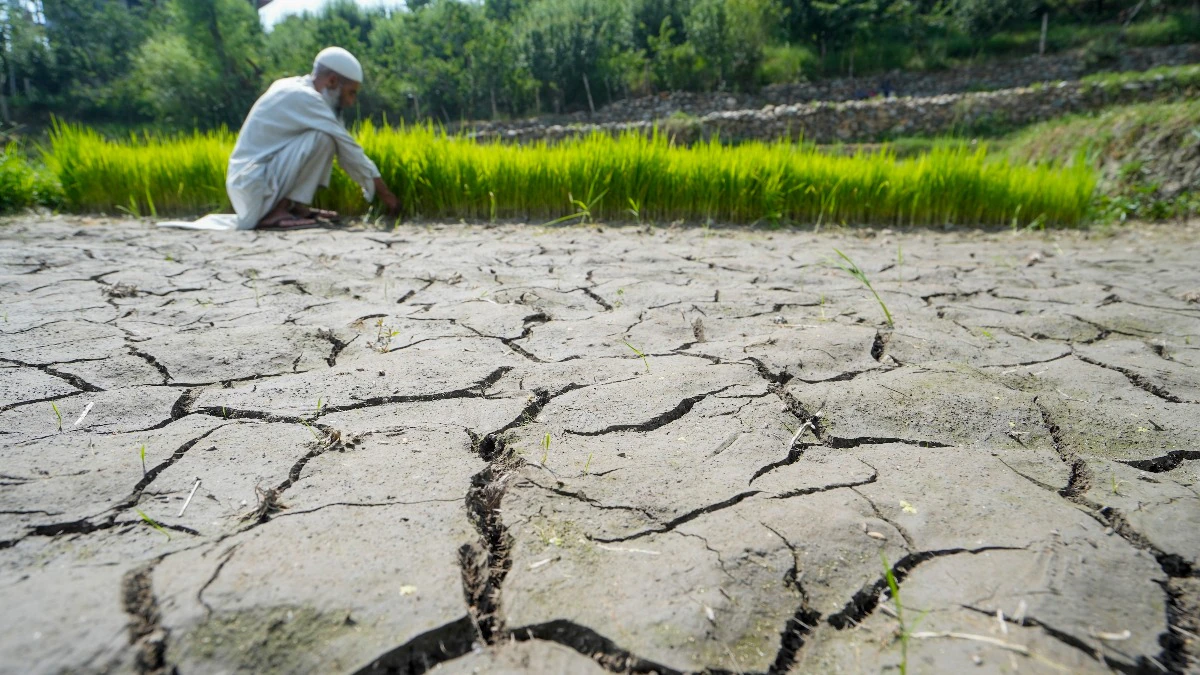
India is experiencing one of its weakest monsoon phases in more than a decade, raising concerns among weather experts, policymakers, and the agricultural community. As rainfall activity remains below expectations in several regions, attention is increasingly focused on the potential impact on crop sowing, water availability, and rural economic activity.
The southwest monsoon plays a vital role in India’s agricultural sector, supporting millions of farmers and contributing significantly to food production. Any prolonged shortfall in rainfall can influence agricultural planning and crop development during the crucial sowing season.
Meteorologists are closely tracking weather patterns while assessing whether rainfall activity could improve in the coming weeks.
Monsoon Remains Critical for Agriculture
The monsoon season is considered the backbone of India’s farming economy.
It supports the cultivation of major crops such as:
- Rice
- Pulses
- Cotton
- Soybean
- Sugarcane
- Maize
A significant portion of India’s agricultural land depends on seasonal rainfall rather than irrigation systems.
As a result, monsoon performance has a direct impact on agricultural productivity and rural livelihoods.
Experts emphasize that timely rainfall is particularly important during the early stages of crop sowing and growth.
Rainfall Deficit Raises Concerns
Several regions have reported rainfall levels below seasonal expectations.
Weather analysts are monitoring:
- Rainfall distribution
- Regional precipitation patterns
- Soil moisture levels
- Reservoir conditions
- Crop sowing progress
While localized rainfall has been recorded in some areas, the overall monsoon progression remains under close observation.
Agricultural experts note that the timing and distribution of rainfall often matter as much as total seasonal rainfall amounts.
Farmers Watch Weather Developments Closely
Farmers across multiple states are paying close attention to weather forecasts as they make important planting decisions.
Many agricultural activities depend on:
- Timely sowing schedules
- Adequate soil moisture
- Consistent rainfall patterns
- Water availability
Rural communities are hoping for improved weather conditions that can support healthy crop growth during the coming weeks.
Agriculture specialists continue to advise farmers to follow local guidance and weather updates while planning field operations.
Impact on Water Resources Also Under Review
Beyond agriculture, monsoon rainfall plays a crucial role in replenishing water resources.
Seasonal rains contribute to:
- Reservoir levels
- Groundwater recharge
- River flows
- Drinking water supplies
- Hydropower generation
Experts suggest that sustained rainfall deficits could place additional pressure on water management systems if conditions persist.
Authorities are monitoring reservoir storage levels and regional water availability as part of broader preparedness efforts.
Economic Implications Being Assessed
The performance of the monsoon can influence several areas of the economy.
Potential areas affected include:
- Agricultural production
- Food supply chains
- Rural spending
- Commodity markets
- Inflation trends
Economists note that agriculture continues to play an important role in supporting livelihoods and economic activity across large parts of the country.
Consequently, monsoon developments are closely followed by businesses, policymakers, and financial markets.
Weather Experts Remain Cautiously Optimistic
Meteorologists stress that the monsoon season is still ongoing and weather patterns can evolve significantly during the coming weeks.
Factors under observation include:
- Atmospheric circulation patterns
- Ocean temperature conditions
- Regional weather systems
- Rain-bearing disturbances
Experts caution against drawing definitive conclusions too early in the season, noting that monsoon activity often varies across different phases.
Improved rainfall later in the season could help offset some of the current concerns.
Government Agencies Monitor Situation
Agriculture and weather-related agencies are continuing to evaluate developments and share updates with stakeholders.
Current efforts focus on:
- Monitoring rainfall trends
- Assessing crop conditions
- Supporting agricultural planning
- Reviewing water management strategies
Officials are maintaining regular communication with state authorities and relevant departments to track evolving conditions.
Preparedness measures remain an important part of ongoing monitoring efforts.
Climate Variability Remains a Growing Challenge
Experts increasingly point to climate variability as a factor influencing weather patterns around the world.
Changing conditions can contribute to:
- Irregular rainfall distribution
- Extreme weather events
- Temperature fluctuations
- Agricultural uncertainty
Scientists continue to study long-term climate trends and their potential implications for monsoon behavior.
Strengthening resilience within agriculture and water management systems is viewed as an important long-term priority.
Weeks Ahead Could Prove Crucial
The coming weeks are expected to play a significant role in determining the overall performance of the 2026 monsoon season.
Farmers, policymakers, businesses, and weather experts will be closely watching rainfall activity across key agricultural regions.
While current conditions have raised concerns, many experts emphasize that the season still has time to recover if rainfall improves in upcoming phases.
For now, India remains focused on monitoring one of the weakest monsoon starts in over a decade, with the agriculture sector and broader economy hoping for stronger rainfall activity as the season progresses.