

NEW DELHI / MUMBAI, INDIA | August 17, 2026
Semiconductor Stocks Rise Into Focus
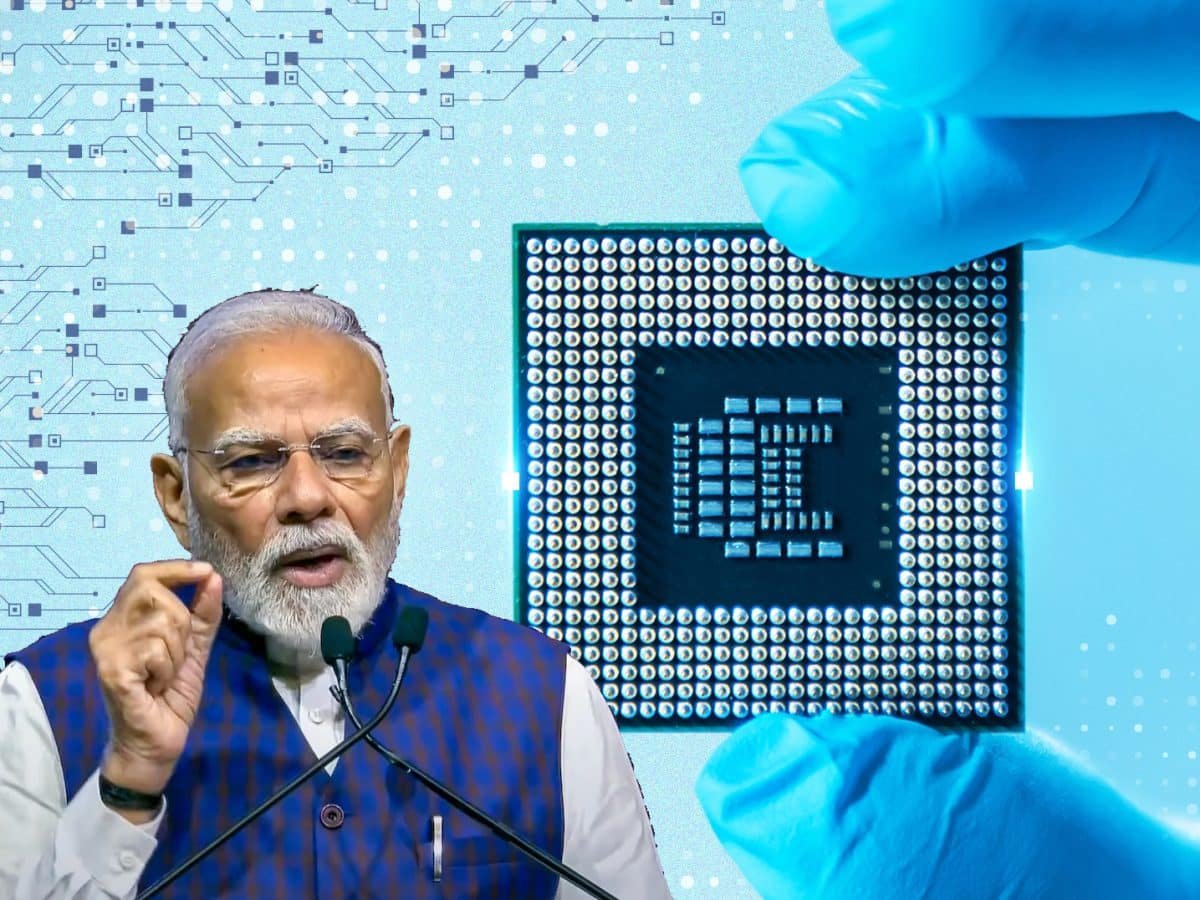
Indian semiconductor-linked stocks came into focus in Monday’s trading session after Prime Minister Narendra Modi renewed his government’s push to expand domestic chip manufacturing and strengthen India’s position in the global semiconductor supply chain.
Shares of CG Power, Kaynes Technology India, MosChip Technologies, Dixon Technologies and Tata Elxsi were among the semiconductor-related stocks trading with gains on August 17 as investors assessed the potential long-term impact of the government’s chip manufacturing strategy.
The renewed investor interest follows Modi’s Independence Day announcement that India already has three semiconductor plants in production, with another five to eight facilities expected to come up over the next seven to eight years.
PM Modi Highlights India’s Chip Ambitions
Addressing the nation from the Red Fort on August 15, Modi said India’s semiconductor journey was a sign of the country’s growing technological self-reliance.
The Prime Minister said three semiconductor plants had already started production and that exports had begun from the production taking place at those facilities. He also outlined plans for five to eight additional plants over the coming years.
The announcement has renewed attention on companies positioned to benefit from the expansion of India’s domestic semiconductor ecosystem.
CG Power, Kaynes and MosChip in Focus
CG Power and Industrial Solutions is among the companies attracting investor attention because of its semiconductor assembly, testing and packaging operations.
Kaynes Technology India is another important name in the domestic semiconductor ecosystem. The company is involved in semiconductor assembly and testing and is among the projects that have moved into commercial production.
MosChip Technologies, along with Dixon Technologies and Tata Elxsi, is also being watched by investors as India’s electronics and semiconductor ecosystem expands.
However, market interest in these companies does not necessarily mean that their future performance is guaranteed. Investors will continue to assess project execution, valuations, earnings growth and the pace at which India’s semiconductor infrastructure develops.
Semicon India Programme Gets Bigger Push
India’s semiconductor strategy is being implemented through the Semicon India Programme, which was originally approved with an outlay of ₹76,000 crore.
The government has now moved towards Semicon 2.0, approved in July 2026 with a total outlay of ₹1.275 lakh crore, according to market reports.
Under the first phase, 12 semiconductor projects had been approved across six states, with investment commitments exceeding ₹1.64 lakh crore. Three companies — Micron, Kaynes and CG Semi — have already started commercial production.
India Targets Greater Semiconductor Self-Reliance
The government’s broader objective is to reduce India’s dependence on imported chips while creating a domestic ecosystem covering manufacturing, assembly, testing, packaging and related technology.
Semiconductors are essential components for smartphones, automobiles, data centres, artificial intelligence systems, telecommunications equipment, medical technology and defence applications.
As demand for computing infrastructure grows globally, India is seeking to use its large electronics market and expanding manufacturing base to attract investment and strengthen its role in the international semiconductor supply chain.
Investors Watch Execution Closely
The latest rally in semiconductor-linked stocks reflects expectations surrounding India’s policy push, but analysts and investors are likely to focus increasingly on actual project execution.
Building semiconductor facilities requires substantial capital, specialised technology, reliable power and water supplies, skilled workers and integration with global supply chains.
The government’s multi-year targets therefore represent a significant opportunity for companies involved in India’s chip ecosystem, while also creating execution challenges that could determine the sector’s long-term success.
India’s Chip Story Enters a New Phase
With three plants already in commercial production and plans for five to eight more facilities, India’s semiconductor ambitions are moving from policy announcements towards a larger manufacturing ecosystem.
For the stock market, the focus is now shifting from the government’s semiconductor vision to the companies capable of converting that policy support into production, revenue and sustainable growth.
As investors track the next phase of India’s chip strategy, semiconductor-linked stocks are expected to remain closely watched across Dalal Street.
Source: Upstox, Moneycontrol, Times of India, Economic Times
Original Report: Supreme News Network (SSN)



hello there and thank you for your information – I’ve definitely picked up anything new from right here. I did however expertise several technical issues using this website, as I experienced to reload the site many times previous to I could get it to load correctly. I had been wondering if your web hosting is OK? Not that I am complaining, but slow loading instances times will sometimes affect your placement in google and could damage your high-quality score if ads and marketing with Adwords. Anyway I am adding this RSS to my email and could look out for much more of your respective intriguing content. Ensure that you update this again soon..