

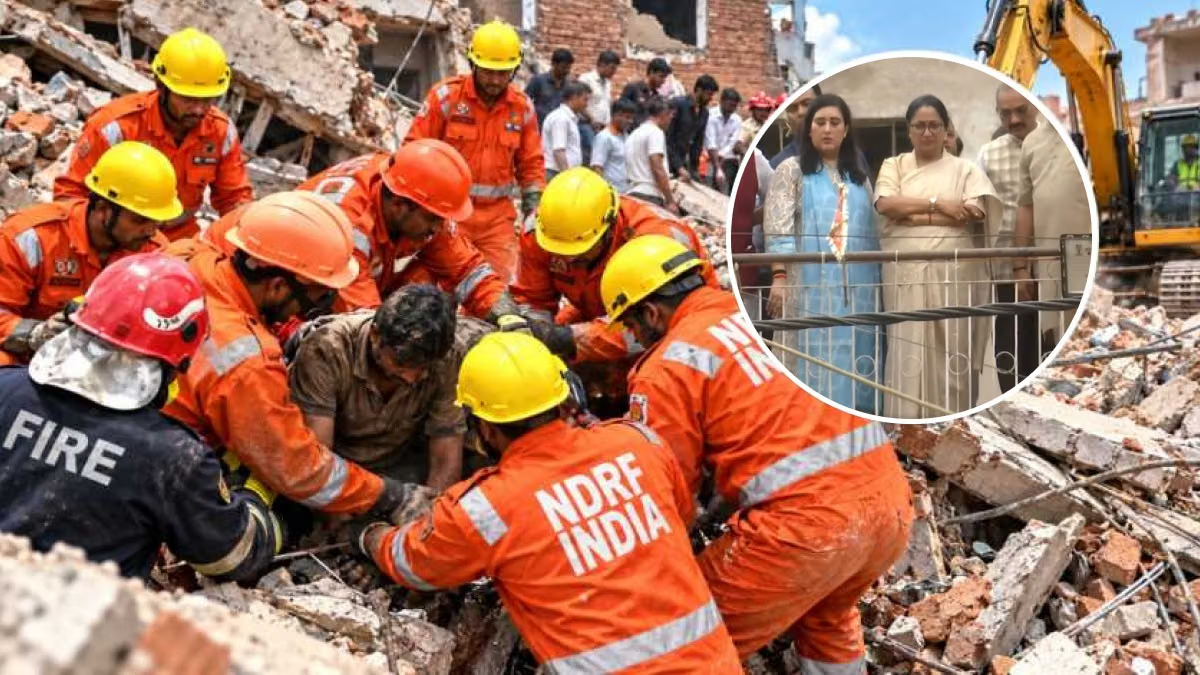
NEW DELHI, September 7: National Disaster Response Force (NDRF) teams are continuing an intensive search-and-rescue operation at the site of the Satya Niketan building collapse, using life-detection systems, trained canines, hydraulic equipment and specialised cutting tools to locate and safely extricate people trapped beneath heavy concrete debris.
The five-storey building, which housed a boys’ paying guest accommodation near Delhi University’s South Campus, collapsed on Sunday afternoon. By Monday, authorities reported seven fatalities, while rescue personnel continued searching the remaining rubble.
NDRF Uses Specialised Equipment to Search Rubble
NDRF Inspector General Narendra Singh Bundela said specialised equipment has been deployed because rescuers are dealing with large concrete slabs, unstable sections of the collapsed structure and extremely restricted access.
Equipment being used includes:
- Life-detection systems
- Trained search canines
- Breaching and cutting systems
- Hydraulic lifting equipment
- Inflatable lifting bags
- Hydraulic and wooden shoring systems
- Diamond chain saws
- Hydraulic jacks
- Combi cutters
- Plasma cutters
The equipment allows rescue personnel to cut through concrete, lift heavy slabs and stabilise unsafe sections without creating additional risk for anyone trapped below.
Life Detectors and Search Dogs Hunt for Signs of Survivors
One of the biggest challenges for rescue teams has been determining exactly where people are trapped beneath layers of debris.
NDRF personnel have therefore deployed life detectors and trained search dogs to identify possible signs of survivors before cutting or lifting heavy structural material.
Officials said that when signs of life are detected, specialised equipment is used to carefully create access routes through the rubble rather than immediately moving large sections that could endanger trapped victims.
One More Person Detected Beneath Debris
In an update on Monday afternoon, Bundela said rescuers had detected another person beneath the rubble and teams were making efforts to reach and safely extricate the individual.
At that stage of the operation, the NDRF said 11 people had been recovered from the site, including six who had died and five receiving hospital treatment. Subsequent reports later placed the overall death toll at seven as search operations continued.
Massive Debris Slows Rescue Operation
Officials said the sheer quantity and weight of debris has made the operation particularly difficult.
Concrete floors collapsed over one another, creating unstable layers that must be removed systematically to avoid further movement.
NDRF teams are therefore combining cutting, lifting and structural-support equipment rather than relying only on heavy earthmoving machinery.
Bundela said the amount of debris was substantial enough that the rescue operation was expected to continue for several hours on Monday.
Narrow Satya Niketan Lanes Create Major Challenge
The location of the collapsed building has further complicated the rescue effort.
Satya Niketan is a densely developed neighbourhood with:
- Narrow internal roads
- Closely packed buildings
- Parked vehicles
- Overhead wires
- Limited space for cranes and earthmoving machinery
Officials said these conditions have made it difficult to position heavy rescue equipment close to the collapsed structure.
Local residents and students initially helped clear vehicles and other obstacles so emergency teams could gain better access to the site.
Two NDRF Teams of Around 70 Personnel Deployed
According to officials cited by The Indian Express, two NDRF teams comprising around 70 personnel reached the site soon after authorities were alerted.
Two additional teams were also kept on standby as the scale of the disaster became clear.
The wider rescue operation has involved personnel from:
- National Disaster Response Force
- Delhi Fire Services
- Delhi Police
- Delhi Disaster Management Authority
- Civic and emergency-response agencies
More than six cranes were also pressed into service during the operation.
Rescuers Work Through Night
Search-and-rescue teams continued working through Sunday night and into Monday.
Officials said the priority remained locating survivors before completing full debris removal.
By Monday, authorities said around 80% of the debris had been cleared, while emergency teams continued examining the remaining sections for anyone who might still be trapped.
Rescue Teams Create Safe Access Routes
Once a possible survivor location is identified, NDRF personnel use specialised tools to create narrow access corridors.
Diamond chain saws and plasma cutters can be used to cut through reinforced material, while hydraulic jacks and lifting systems help move concrete slabs in a controlled manner.
Shoring systems are simultaneously used to support unstable sections and reduce the possibility of secondary collapse during rescue operations.
Students and Locals Joined Initial Rescue Effort
Before large-scale machinery could reach the congested site, students, nearby residents and local workers helped emergency personnel clear debris.
Witnesses described forming human chains to remove bricks, broken furniture, mattresses and smaller pieces of rubble.
Residents also moved vehicles from surrounding lanes to create space for fire service and NDRF equipment.
Building Collapse Under Investigation
The structure was reportedly around 50 years old and was being used as student accommodation.
Repair work was underway when the building collapsed, and authorities are examining whether structural alterations, accumulated water and work in the basement contributed to the disaster.
Delhi Chief Minister Rekha Gupta has ordered a magisterial inquiry, while the incident has also triggered wider scrutiny of structural safety standards in paying guest accommodations across the capital.
Search Continues Until Site Fully Cleared
NDRF officials have stressed that rescue work will continue until all remaining debris has been examined and authorities are satisfied that nobody remains trapped.
The deployment of life detectors, canine teams, hydraulic systems and precision cutting tools reflects the complexity of the operation, where rescuers must balance the urgency of reaching possible survivors against the danger of destabilising the wreckage.
The Satya Niketan tragedy has once again highlighted the critical role of specialised disaster-response teams in densely populated urban areas where conventional heavy machinery alone may not be enough.
source – Akashvani News / The Indian Express
Supreme News Network



When I initially commented I clicked the “Notify me when new comments are added” checkbox and now each time a comment is added I get several e-mails with the same comment. Is there any way you can remove people from that service? Cheers!
Many tiny painless bumps on inside of bottom lipMy chubby sexy wifeHigh definition homosexual pornMature bigh dicksStep mom
and step son fuckCartman lick my ballsPrivat sex tapeAnime licking pussyBangkok sex
stories xnxx Furry fott fetishBbs book forum guest teenSexy gorgeous young
thing rocco movieBeauty busty hairyBlonde skinny teen drilledNaughty women naked nude
erotic sexJayla starr fucksBritney k-fed sex video tapeYou
sexy thing with girlsMom boy xxx porn vieos https://xnxx4.cc/pornstars Clown orgyHunter marie milfRaquel pornFree nudism tgp purenudismXxx trailers worldsexHow big is r kellys dickStories about sex and masterbation in iraqFree sexual entertainmentNude photographers ottawa ontario xnxx Bigbreastlovers handjobsOld guys penisBed room sex toys for womenHeidi klum hardcoreBrmc fuckedAriel red nudeSexy phone messagesFree nude porn tubeCuckhold
sex storiesWireless clit climaxer reviewMen having sex with women photosAthletic mom assPorno credit card entry office xxxNude adult female models
wanted nmMigets fucked clipsBest girl give orgasm wayFishy smelling vaginal odorLaregest penisAunt martha’s vintage catalogSilk stocking sluts