
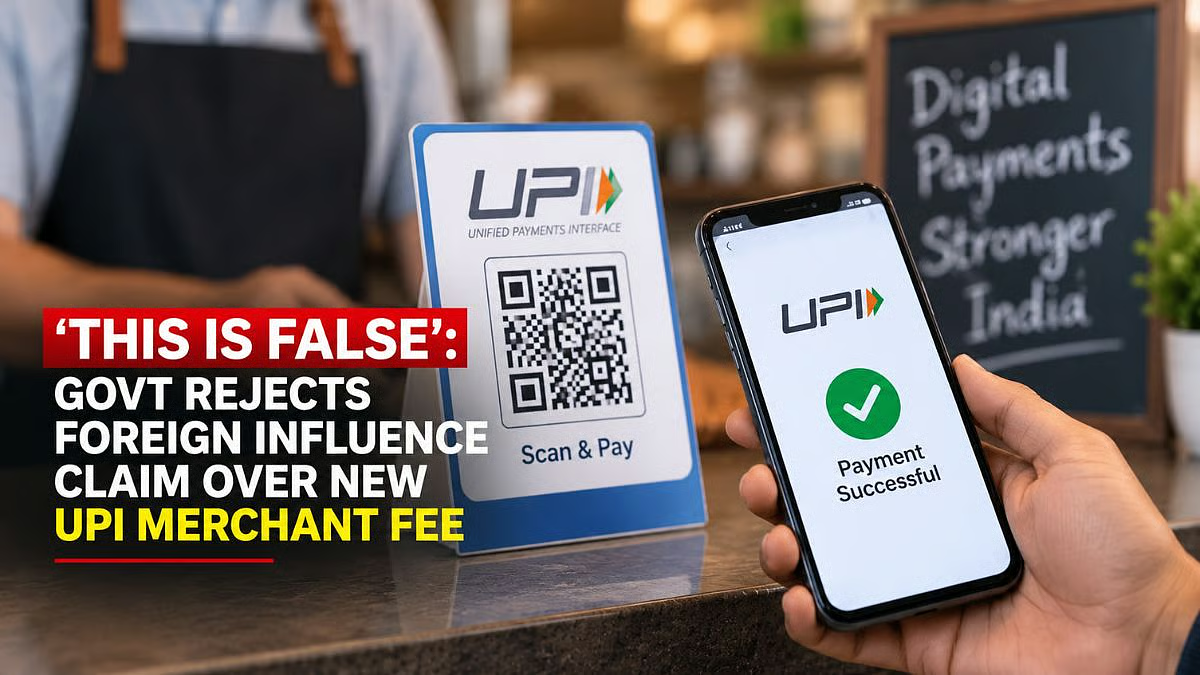
NEW DELHI, September 17: Opposition parties have stepped up criticism of the Centre’s new Merchant Discount Rate (MDR) framework for higher-value UPI merchant payments, while the Union government has rejected allegations that the policy was introduced under foreign pressure. The new framework will impose a 0.4% MDR on certain person-to-merchant UPI transactions above ₹2,000, while person-to-person transfers and most smaller merchant payments will remain free.
Opposition Demands Rollback of New MDR
Congress and other opposition parties have criticised the introduction of MDR on higher-value merchant UPI transactions and have demanded that the government reconsider the move.
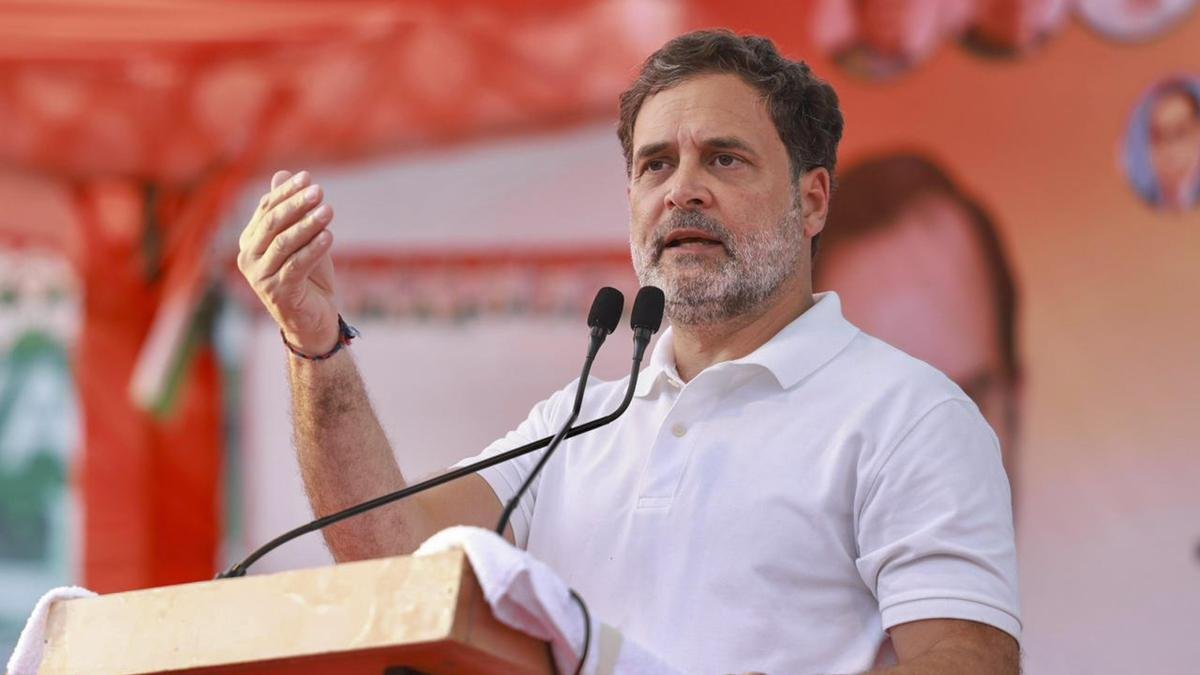
Congress leader Rahul Gandhi alleged that the decision was influenced by pressure from the United States and described it as an additional burden connected to digital payments. Other opposition leaders have also questioned the timing and impact of the change. These are political claims made by opposition leaders; the government has rejected the allegation of foreign influence.
Government Rejects ‘Foreign Influence’ Claim
The Union Finance Ministry has said that India’s UPI policy decisions are made independently and that claims of foreign pressure are false.
The ministry said the new framework is intended to make the digital payments ecosystem more financially sustainable while supporting investment in cybersecurity, infrastructure and payment services.
The government has also indicated that it does not currently plan to roll back the decision.
0.4% MDR Only on Certain Merchant Payments Above ₹2,000
Under the new framework, a 0.4% MDR will apply to specified person-to-merchant (P2M) UPI transactions above ₹2,000.
For transactions worth ₹75,000 or more, the MDR will be capped at ₹300 per transaction.
The Finance Ministry has stressed that MDR is not a government tax. Instead, the fee is shared among participants in the payment ecosystem, including banks, payment service providers and UPI app providers.
UPI Remains Free for Consumers
The government has clarified that person-to-person UPI transfers will continue to remain free regardless of transaction value.
Merchant payments up to ₹2,000 will also remain free, while small merchants receiving up to ₹1 lakh per month through UPI QR codes under the P2PM category will remain covered by the zero-MDR framework.
According to the Finance Ministry, around 96% of merchant UPI transactions will remain unaffected by the new MDR structure.
Essential Services Get Lower Fixed Charge
The framework provides different treatment for certain essential services.
UPI merchant payments above ₹2,000 involving sectors such as railways, telecommunications, insurance, fuel and agricultural inputs will attract a flat MDR of ₹5 per transaction rather than the standard percentage-based rate.
Payments related to mutual funds, securities, stockbrokers and dealers will attract an MDR of 0.02%, capped at ₹300 per transaction.
Retailers Also Raise Concerns
The debate is not limited to political parties.
Retailer groups and some financial-sector companies have also raised concerns that the MDR could increase costs for businesses operating on narrow margins or encourage some merchants to prefer cash for larger payments.
The government’s position is that the cost is meant to be borne within the merchant-payment ecosystem and should not be directly charged to UPI users.
New Framework to Take Effect From October 15
The revised MDR framework is scheduled to come into effect from October 15, 2026, giving banks, payment aggregators and fintech platforms time to update their systems.
The political debate is expected to continue, with opposition parties focusing on the cost implications while the government argues that a limited MDR is necessary to fund the long-term operation and expansion of India’s digital payments infrastructure.
source – Ministry of Finance / Press Information Bureau / The Indian Express / Reuters
Supreme News Network