

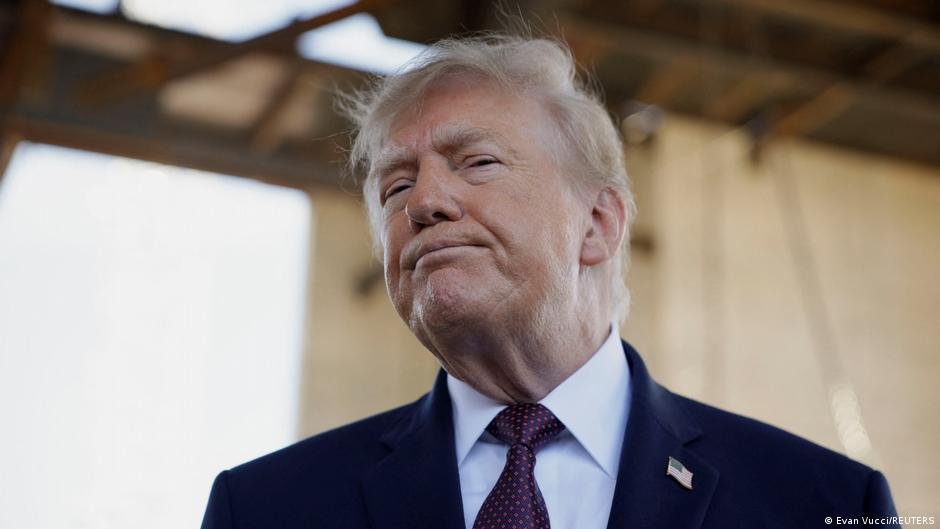
Washington, November 5, 2026: The Democratic Party has secured control of both chambers of the US Congress following sweeping victories in the November 3 midterm elections, delivering a major political setback to President Donald Trump’s Republican Party. The results have intensified pressure on the White House over the ongoing Iran war, rising living costs and the administration’s economic policies.
The outcome marks a significant shift in American politics, with Democrats preparing to use their congressional majorities to increase oversight of the Trump administration during the remaining two years of his presidency.
Democrats Win Control of House and Senate
Democrats achieved substantial gains across several Republican-held constituencies, securing majorities in both the Senate and House of Representatives.
According to Reuters, the party had secured at least 54 Senate seats and gained 30 or more seats in the House, with some individual contests still awaiting final results.
The victories extended beyond traditional Democratic strongholds into states and districts that had supported Trump in the 2024 presidential election.
Republicans Lose Ground in Traditional Strongholds
The election results showed a significant shift in voter support across several Republican-leaning regions.
Democrats secured victories in closely watched Senate contests, including races in Texas, Kansas and South Carolina.
They also made substantial gains in House districts previously considered relatively secure for Republican candidates.
Reuters reported that Republican support declined across a large majority of counties where comparable results were available.
Trump’s Iran War Becomes Major Election Issue
The ongoing conflict involving the United States and Iran emerged as a major issue during the midterm campaign.
The war, which has continued for approximately eight months, has contributed to higher energy prices and concerns about the economic consequences of prolonged military involvement.
Many voters expressed dissatisfaction with the conflict and its impact on household expenses.
Polling conducted during the election indicated that approximately six in ten voters considered US military action against Iran a mistake.
Trump Acknowledges Iran War Affected Republicans
President Donald Trump acknowledged that the Iran conflict played a role in his party’s electoral losses.
However, he defended his decision to pursue military action and maintained that it was justified.
Trump also indicated that several factors contributed to the Republican defeat rather than attributing the outcome entirely to the war.
His comments came as pressure increased on the administration to reassess its military strategy.
Vice President JD Vance Criticises War’s Political Cost
Vice President JD Vance offered a stronger assessment of the Republican Party’s defeat.
In a public statement, Vance directly linked the party’s election losses to the Iran conflict and questioned whether the political consequences were justified.
His remarks attracted attention because they appeared to differ in emphasis from Trump’s defence of the military campaign.
The exchange has added to debate within Republican circles over the future direction of US policy towards Iran.
Rising Cost of Living Influences Voter Decisions
Alongside the Iran war, economic concerns were central to the election.
Voters cited high prices, inflation, energy costs and concerns about government accountability among their major priorities.
The economic effects of the conflict, including elevated gasoline prices, contributed to dissatisfaction with the administration.
Democratic candidates focused heavily on affordability, healthcare and household financial pressures during their campaigns.
Democrats Promise Greater Government Oversight
Democratic leaders have pledged to use their new congressional majorities to strengthen oversight of the executive branch.
House Democratic leader Hakeem Jeffries identified affordability and accountability as major priorities for the incoming Congress.
Democrats are expected to examine administration spending, foreign policy decisions and federal government operations through congressional committees.
Their control of the Senate will also provide greater influence over presidential appointments and legislative procedures.
Trump Could Face Legislative Gridlock
The election results mean Trump will face a Congress controlled by the opposing party.
Democrats will have greater power to block legislation, conduct investigations and challenge administration policies.
However, the President will retain his constitutional veto powers and significant executive authority.
The divided government could create prolonged disagreements over federal spending, taxation, immigration, healthcare and national security.
Iran Policy Faces Increased Congressional Scrutiny
The Democratic victory could have important consequences for US foreign policy.
Lawmakers may seek additional scrutiny of military operations against Iran, the costs of the conflict and American involvement in regional security arrangements.
Congress also holds powers over federal spending and certain aspects of defence policy.
However, the election result does not automatically end US military operations, and any major policy change will depend on decisions by Congress and the administration.
Election Results Could Affect Global Relations
The change in congressional control has attracted attention from governments and financial markets worldwide.
Countries are assessing whether the new political balance in Washington could influence US trade policies, sanctions, military assistance and diplomatic relationships.
The Iran conflict and its implications for global oil supplies remain particularly important for international markets.
Democrats Prepare for New Congressional Term
The incoming Democratic majorities are expected to focus on economic affordability, government accountability and oversight of the administration.
Republicans, meanwhile, face questions about their political strategy after losing control of Congress.
Although final certification of some election results remains pending, the outcome has already established a major change in the balance of power in Washington.
The 2026 midterm elections are likely to shape the remaining two years of Trump’s presidency, particularly as debate continues over the Iran war and the direction of US domestic and foreign policy.
Source: Reuters, Associated Press, Financial Times
Supreme News Network