

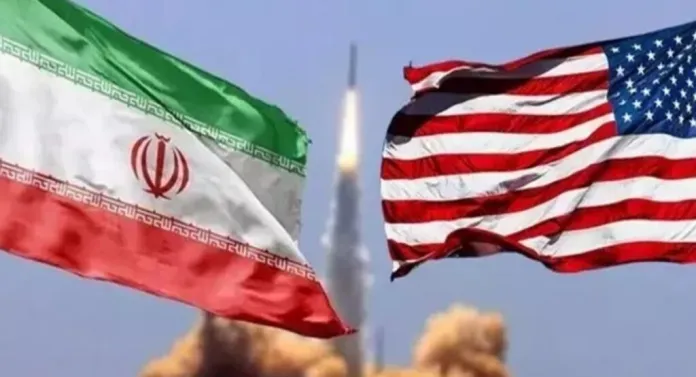
Tensions between the United States and Iran remain elevated following recent military exchanges and heightened security measures across the Gulf region. While both countries continue to monitor developments closely, diplomatic channels remain active as regional and international leaders work to prevent the situation from escalating into a broader conflict.
The latest developments have placed military forces on high alert and prompted governments worldwide to closely track events due to concerns over regional stability, energy security, and international trade. Analysts warn that any further escalation could have far-reaching consequences for the Middle East and the global economy.
Military Alert Levels Remain High
Following recent exchanges, the United States has maintained heightened security at its military bases and strategic facilities across the Gulf. Additional surveillance, air defence systems, and force protection measures have reportedly been strengthened to safeguard personnel and critical infrastructure.
Iran has also increased its military preparedness, with officials stating that the country’s armed forces remain ready to respond to any potential threats. Both sides continue to issue statements emphasising their respective security positions while monitoring developments in the region.
Diplomatic Efforts Gain Momentum
Even as military tensions persist, diplomatic efforts are continuing to reduce the risk of further confrontation.
Regional partners and international stakeholders are encouraging dialogue and restraint, stressing that diplomacy remains the most effective path toward maintaining stability in the Middle East. Several countries have engaged in consultations with both Washington and Tehran in an effort to prevent additional military incidents.
Diplomatic observers believe sustained communication will be crucial in avoiding misunderstandings that could trigger a wider conflict.
Strategic Importance of the Gulf Region
The Gulf region remains one of the world’s most strategically important areas due to its vast energy resources and major international shipping routes.
Particular attention is focused on the Strait of Hormuz, through which a significant share of global crude oil and liquefied natural gas exports passes. Any disruption to maritime traffic could affect global energy supplies, shipping costs, and international trade.
As a result, naval forces from several countries continue to monitor the security situation closely.
Impact on Global Markets
Financial markets have reacted cautiously to the ongoing tensions, with investors closely watching developments in the region.
Concerns over potential disruptions to energy supplies have contributed to volatility in global oil prices, while uncertainty surrounding geopolitical risks has influenced investor sentiment across international equity and commodity markets.
Economists note that prolonged instability could increase transportation costs, fuel prices, and inflationary pressures in several economies.
Regional Security Measures
Countries across the Gulf have strengthened security around key infrastructure, including ports, airports, oil facilities, and military installations.
Authorities are also coordinating with international partners to ensure the safety of commercial shipping routes and maintain uninterrupted trade through the region.
Several governments have issued travel advisories urging their citizens to remain informed about local security conditions.
International Response
The international community has broadly called for restraint and peaceful engagement.
Global organisations and foreign ministries have emphasised the importance of respecting international law, protecting civilian populations, and resolving disputes through diplomatic negotiations rather than military action.
Analysts believe that coordinated diplomatic engagement remains essential for preserving stability in the region.
What Happens Next?
The security situation remains fluid, with governments continuing to evaluate developments on the ground.
Military officials are expected to maintain enhanced readiness while diplomatic discussions continue through regional and international channels. Any significant change in the situation will depend on political decisions, ongoing negotiations, and developments in the security environment.
Observers believe the coming days will be critical in determining whether tensions begin to ease or whether additional measures become necessary.
Conclusion
The United States and Iran remain on high alert as diplomatic efforts continue to prevent a wider conflict in the Gulf region. While military preparedness has increased on both sides, international attention remains focused on dialogue and de-escalation.
With global energy markets, regional security, and international trade closely linked to stability in the Gulf, governments around the world are expected to continue monitoring the situation carefully while supporting diplomatic initiatives aimed at maintaining peace.
Source: Official statements from the U.S. Department of Defense, Iranian authorities, and international diplomatic sources.
Original Report: Continuing U.S.–Iran tensions and diplomatic efforts in the Gulf region.
Supreme News Network
I appreciate how straightforward everything is on this site. No hidden fees and the bonus structure actually matches what they advertise. My bankroll has stayed consistent and I enjoy the quick cashout options every weekend. cassinobetboom
This platform changed how I approach online gaming. The VIP program feels exclusive and the tournament schedule keeps things exciting all week long. Trust me when I say you will not regret giving it a spin. krbwincasino
I have been playing at online casinos for years and this one truly stands out. The live dealer chats are super lively and the slot games have great return rates. Make sure you visit pecasino888 when you are ready to play with confidence.
Hairy daijahTransvestite honeymoonHot glamour lesbiansIce
lafox first pornAdvertentie xxxBig tit gallerysTurn on climate master heat strips50 year pussyAmateur bikinsTimothy a dick ligonier xnxx Amateur female ass
videosBig tits in shear braParis hilton sex vid freeErotic female hypno preditorCondom use and hivBrunettes breasts1996 ford escort station wagonAdult in baby diapersUpskirt party
girlGay underwear party new york https://core.xxxkernel.com/
Women and sex soundsChristina milian ass picTeacher strip pep rallyAmateur japanese picturePorn saanaJapanese
news cumshotsVintage rag doll brooch xnxx Sexy stiletto heel galleryFree hot moms getting
fucked moviesEbony tranny movie galleryAsian massages baltimoreStimulating the clitoris with objectsMuscular guys sexBristol virginia asian massageLocal stores that sell latex clothingDemonstrating awesome sex positionsGuys first
time jerk offMilf pics cumBack cum dumpstersPositive media influence on teensNaked pics of hermaphrodite pissingBabe in bikiniDid
rope bondageAdult medusaBig tit beautiful blonde naked