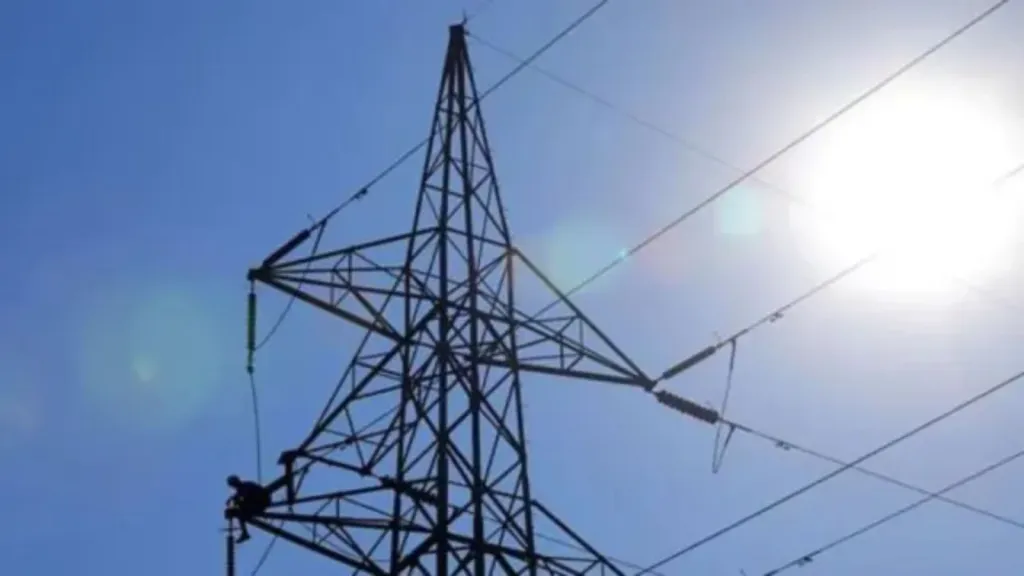
New Delhi, October 29, 2026: Six Indian states have floated short-term tenders for additional electricity to meet expected winter evening demand, as utilities prepare for supply gaps after solar generation falls at sunset.
The states are Gujarat, Rajasthan, Maharashtra, Madhya Pradesh, Tamil Nadu and Kerala. Prices quoted in the tenders range from about ₹8.99 to ₹41.50 per unit.
Evening Power Gap Drives Purchases
India’s power system increasingly faces a sharp evening mismatch: solar generation drops rapidly after sunset, while household, commercial and industrial demand remains high.
The evening shortfall reached around 5.8 GW in October.
Tamil Nadu Faces Highest Prices
Tamil Nadu sought 1,000 MW for November but secured only 377 MW, at prices as high as ₹37.50 per unit.
For December, some contracted power reached ₹41.50 per unit, the highest among the states covered in the report.
Gujarat and Rajasthan Also Seek Additional Supply
Gujarat issued tenders for additional power for November and December, while Rajasthan also sought substantial supply but secured only a small portion of the electricity requested.
This shows that utilities are competing for limited short-term capacity ahead of winter.
Madhya Pradesh Secures Full Requirement
Madhya Pradesh was among the few states to secure its complete requirement.
It awarded contracts for 800 MW for supply from November 20 through mid-February at prices between roughly ₹3.99 and ₹5.50 per unit.
Weather and Irrigation Add Pressure
Industry officials say unusual weather linked to El Niño, increased irrigation demand and stronger industrial activity have made electricity demand harder to predict.
Festival and winter demand are also contributing to utilities’ decision to arrange backup supply.
Battery Storage Remains Limited
The growing evening shortage also highlights India’s limited energy-storage capacity.
More battery and pumped-storage projects would allow cheap daytime solar power to be stored and supplied after sunset.
Short-Term Tenders Supplement Long-Term Contracts
State distribution companies normally secure most electricity through long-term power purchase agreements.
Short-term tenders and power exchanges are then used to fill temporary or seasonal gaps.
Winter Planning Becomes Costlier
The latest procurement drive shows that states are willing to pay significantly higher prices to avoid supply shortages during peak hours.
If evening demand remains strong, power costs could stay elevated through the winter months.
Source: The Indian Express, Ministry of Power DEEP portal
Supreme News Network