

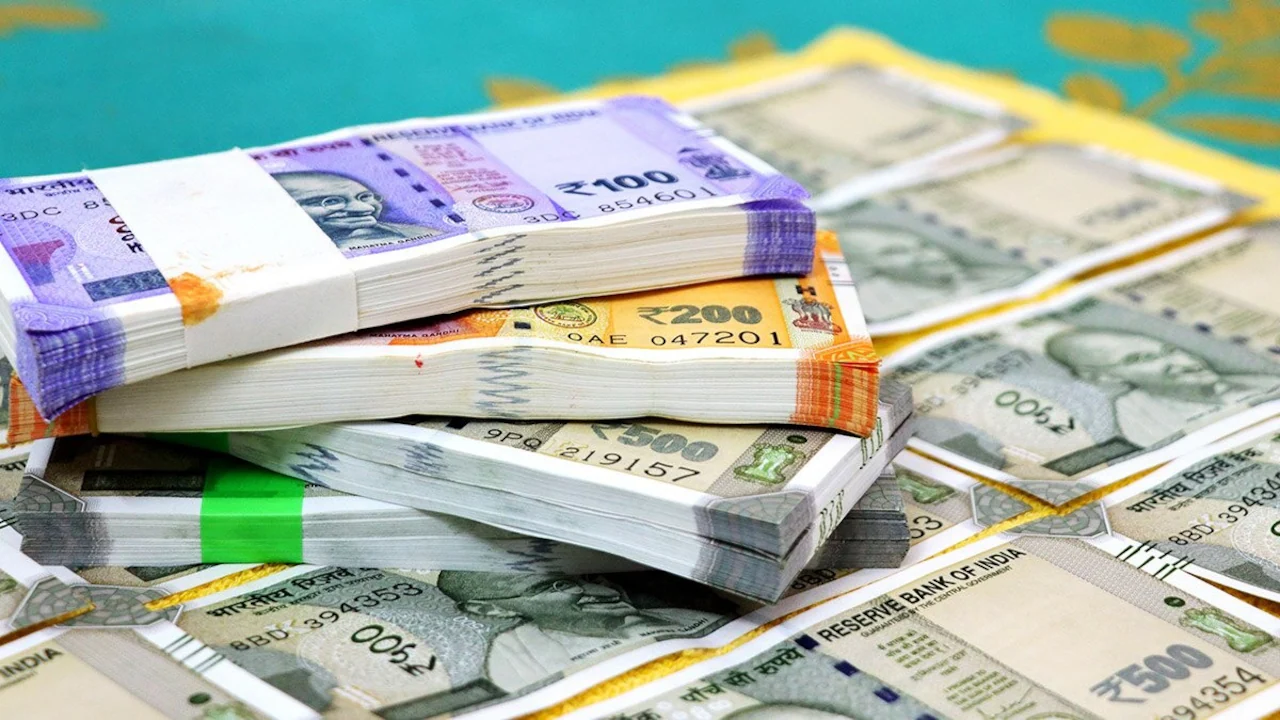
Mumbai, October 10, 2026: The Indian rupee continues to face intense pressure near record-low levels, prompting SBI Research to urge the Reserve Bank of India (RBI) to prioritise currency stability alongside inflation control. In its latest Ecowrap report, SBI Research highlighted that volatile global markets, elevated crude oil prices, rising bond yields and changing capital flows have made exchange-rate management increasingly important.
SBI Research Calls for Stronger RBI Action
SBI Research has said the RBI may need to strengthen its policy measures to reduce excessive volatility in the rupee. According to the report, a sharp depreciation of the currency can increase the cost of imported goods and commodities, adding to inflationary pressure and raising expenses for businesses dependent on overseas supplies.
Rupee Has Fallen More Than 7% This Year
The rupee has weakened by more than 7% against the US dollar in 2026, making it one of Asia’s worst-performing currencies this year. Recently, it has traded close to its reported record low of ₹96.96 per dollar, despite repeated RBI intervention.
High Crude Oil Prices Add to Currency Pressure
Elevated crude oil prices remain a major challenge for the Indian currency. Since India imports a significant share of its crude oil requirements, higher international prices increase dollar demand from oil companies and raise the country’s import bill. This puts additional pressure on the rupee.
SBI Research Suggests Faster Repatriation of Export Earnings
One of the key recommendations in the report is to shorten the standard period allowed for exporters to bring foreign-currency earnings back to India. SBI Research has proposed reducing the timeline from approximately 15 months to six months, while allowing extensions in genuine cases.
The proposal aims to improve the availability of foreign currency in the domestic market.
SBI Research Suggests a 50-Basis-Point Rate Hike
SBI Research has separately suggested that the RBI consider a 50-basis-point increase in interest rates, potentially even before its next scheduled monetary policy meeting, if global financial stress remains elevated.
The recommendation follows the RBI’s reported 25-basis-point rate increase earlier this week, which took the repo rate to 5.50%.
RBI Announces Fresh Measures to Support the Rupee
The RBI has introduced additional measures to support the domestic currency. It will establish a special dollar-supply window for Indian Oil Corporation, Bharat Petroleum and Hindustan Petroleum.
The arrangement will allow these state-owned oil companies to meet their dollar requirements while helping reduce direct demand pressure in the spot foreign-exchange market.
Forex Derivative Rules Tightened
The central bank is also tightening regulations governing foreign-exchange derivative transactions to curb speculative pressure.
Under the measures, the permitted size of derivative transactions without documentary proof of underlying exposure is being sharply reduced. Additional risk requirements are also being introduced for larger hedging positions.
Forex Reserves Fall by Around $50 Billion
India’s foreign-exchange reserves have declined to approximately $734.6 billion, around $50 billion below their September peak.
The fall partly reflects RBI intervention, including dollar sales and foreign-exchange swaps, aimed at limiting excessive volatility in the rupee.
Currency Stability Closely Linked to Inflation
A weaker rupee makes imported products such as crude oil, electronics and industrial inputs more expensive. If the depreciation continues, it can increase production costs and contribute to domestic inflation.
This has made exchange-rate stability an increasingly important consideration alongside the RBI’s traditional focus on controlling inflation.
RBI Faces a Difficult Policy Trade-Off
Aggressive monetary tightening could support the rupee and help contain inflation, but it could also raise borrowing costs for households and businesses.
SBI Research has therefore emphasised the need for a coordinated approach involving interest rates, foreign-exchange intervention, liquidity management and measures affecting capital flows to maintain financial stability.
Sources: SBI Research, Reuters, Business Today
Supreme News Network