

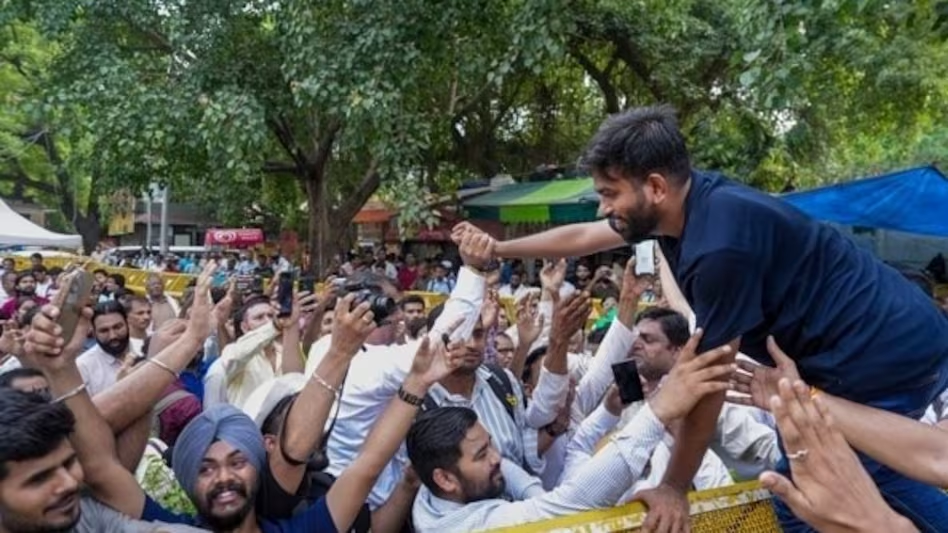
New Delhi | October 10, 2026: Delhi witnessed extensive security measures on Saturday as authorities moved to contain a youth-led protest demanding the resignation of Chief Election Commissioner Gyanesh Kumar. Protest organiser Abhijeet Dipke was detained, while hundreds of demonstrators were reportedly taken into custody amid restrictions affecting transport, internet access and movement across parts of the capital.
Abhijeet Dipke Detained
Abhijeet Dipke, founder of the Cockroach Janta Party, was detained along with other organisers as police sought to prevent protesters from reaching central Delhi.
According to reports, police intercepted several groups attempting to join the unauthorised demonstration before they could assemble in large numbers.
Around 500 Protesters Detained
Delhi Police reportedly detained around 500 people who arrived in separate groups ahead of the demonstration.
Reports also stated that an additional 50 people, described by police as having criminal antecedents, were arrested. The circumstances and legal grounds for the individual detentions were not detailed in the supplied report.
Extensive Security Deployment Across Delhi
Reports indicated that approximately 43,000 police and security personnel were deployed across the capital as part of the operation.
Barricades, checkpoints and restrictions were introduced around key locations to prevent a large gathering. The extensive arrangements affected movement in several areas of Delhi.
Internet and Transport Restrictions Disrupt Movement
Mobile internet services were reportedly disrupted in parts of central Delhi, while restrictions affected Metro and railway services.
The measures caused inconvenience for commuters and drew criticism from protesters and some legal activists, who raised concerns about the wider impact of the restrictions on the public.
Protest Demands CEC Gyanesh Kumar’s Resignation
The demonstration centred on demands for the resignation of Chief Election Commissioner Gyanesh Kumar over allegations concerning the electoral-roll revision process.
Protesters have questioned the transparency of the process and raised concerns about the potential impact of voter-list changes.
Election Commission Rejects Allegations
The Election Commission has rejected allegations that electoral-roll revisions are politically motivated. It maintains that the process is intended to identify duplicate, invalid or ineligible entries and improve the accuracy of voter lists.
The dispute reflects continuing disagreements over the implementation and transparency of voter-list revision exercises.
Supreme Court Challenge Over Restrictions
According to the supplied report, a contempt plea was filed in the Supreme Court challenging the continued transit shutdown and restrictions in Delhi.
The plea reportedly argues that broad restrictions disproportionately affect ordinary commuters and may conflict with earlier judicial directions. The precise status and outcome of the legal challenge were not established in the supplied information.
Youth-Led Movement Draws National Attention
The movement has gained visibility online, with a social-media campaign developing into a planned street demonstration. The detention of organisers and the extensive security response have brought further attention to the dispute over electoral-roll revision.
The incident has also raised questions about balancing public order, the right to peaceful assembly and the impact of restrictions on everyday life.
Political Debate Continues
The controversy over the Election Commission’s actions remains a point of disagreement among protesters, political groups and election authorities.
Further developments may depend on legal proceedings, official responses and any subsequent decisions by organisers regarding demonstrations. The allegations surrounding voter-list revisions and the justification for the security restrictions remain central to the debate.
Source: Reports attributed to Nerra Network; Reuters and DW were also listed in the supplied source note.
Supreme News Network