Jammu, November 24, 2026: In a remarkable demonstration of medical expertise and coordination, doctors at the Indian Army’s Northern Command Hospital in Udhampur, Jammu and Kashmir, successfully reattached the severed right hand of a soldier following a complex 11-hour surgery.
The soldier, identified as Lance Naik Beerpal Singh, sustained multiple fractures and serious injuries while serving in a remote, snowbound region of Himachal Pradesh.
His right hand was completely severed, creating a medical emergency that required immediate specialist treatment.
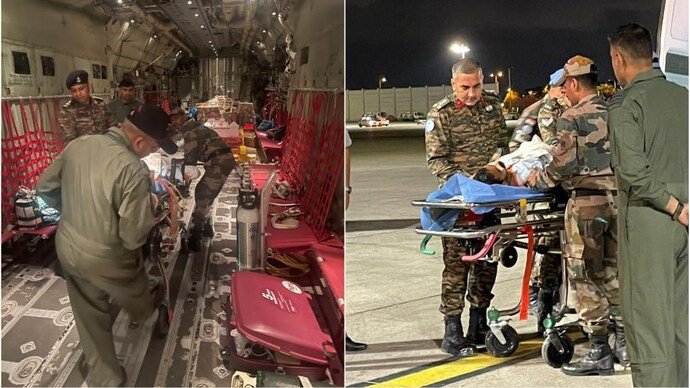
Army Aviation pilots evacuated the injured soldier from the difficult terrain and transported him to Command Hospital, Udhampur, where a team of orthopaedic and plastic surgeons performed the operation.
According to Army officials, timely evacuation and specialised medical intervention played a crucial role in saving his life and preventing permanent limb loss.
The soldier is now showing encouraging signs of recovery.
Army Doctors Perform Complex 11-Hour Surgery in Udhampur
A team of doctors at Northern Command Hospital successfully performed an extensive operation to reattach the soldier’s severed hand.
The procedure lasted approximately 11 hours and required close coordination between different medical specialists.
The surgical team had to address multiple fractures while also restoring blood circulation to the detached hand.
Such operations require exceptional precision because surgeons must reconnect damaged structures and ensure that the reattached limb receives an adequate blood supply.
According to military officials, the operation was successful in restoring circulation and preserving the injured hand.
The achievement highlights the capabilities of the Army Medical Corps in managing serious traumatic injuries.
Who Is Lance Naik Beerpal Singh?
Lance Naik Beerpal Singh is a serving Indian Army soldier who sustained severe injuries in a snowbound area of Himachal Pradesh.
According to reports published on November 23 and 24, 2026, his injuries included multiple fractures and the complete severance of his right hand.
The exact circumstances leading to the injury have not been publicly detailed.
His unit, age and precise location at the time of the incident have also not been confirmed in the available reports.
Despite the severity of the injuries, the soldier received urgent medical assistance and was transported to a specialised military hospital.
His successful surgery has drawn attention to the work of Army Aviation personnel and military medical teams.
Soldier Airlifted From Snowbound Area of Himachal Pradesh
The injured soldier was located in a remote region where snowbound terrain made evacuation particularly challenging.
Army Aviation pilots carried out the emergency evacuation and transported him to Command Hospital in Udhampur.
The operation required coordination between aviation personnel and medical authorities.
For severe traumatic injuries, delays in reaching specialised treatment can increase the risk of complications.
In this case, military officials credited the rapid evacuation with helping to preserve the soldier’s life and injured limb.
The precise evacuation time and flight duration were not disclosed.
Timely Medical Response Helps Prevent Permanent Limb Loss
The successful reattachment depended on the coordinated response of multiple Army units.
First, the injured soldier had to be evacuated from an inaccessible region.
He was then brought to a hospital equipped to handle complex trauma and reconstructive surgery.
At Northern Command Hospital, specialists began emergency treatment.
The medical teams addressed both skeletal injuries and damage to the blood vessels supplying the hand.
Army officials said the combined efforts of the aviation and medical personnel prevented permanent limb loss.
The case demonstrates how rapid transport to appropriate medical facilities can improve the chances of successful treatment after severe injuries.
Orthopaedic and Plastic Surgeons Work Together
The operation involved specialists from orthopaedic surgery, plastic surgery and other medical departments.
Lieutenant Colonel Dr Dairya Khera, Graded Specialist in Orthopaedics at Northern Command Hospital, explained that the orthopaedic team stabilised the fractures.
The plastic surgery team then undertook the delicate work required to reconnect the severed hand.
The process required coordination because successful replantation depends on restoring both structural stability and blood circulation.
The doctors worked for approximately 11 hours to complete the procedure.
The operation was described by officials as an example of the Army Medical Corps’ professional expertise and dedication.
Doctors Restore Blood Circulation Using Microsurgery
Major Dr Sunil NP provided further details about the medical procedure.
According to his account, the surgical teams worked to repair fractured bones and restore blood circulation.
Damaged blood vessels were reconnected using a microscope.
This type of procedure is known as microsurgery.
It allows surgeons to repair extremely small blood vessels and other delicate structures that cannot be treated using conventional surgical techniques alone.
Restoring blood flow is particularly important because tissues cannot remain viable indefinitely without oxygen.
The surgeons’ ability to reconnect the vessels was a major component of the successful operation.
Why Is Reattaching a Severed Hand So Difficult?
Replantation of a completely severed hand is a highly specialised surgical procedure.
The injury may involve damage to bones, arteries, veins, nerves, tendons and surrounding soft tissue.
Surgeons must assess the condition of these structures and attempt to restore their connections.
Fractured bones generally require stabilisation before delicate tissue repairs can be completed.
Blood vessels must be repaired to re-establish circulation.
Depending on the injury, surgeons may also repair tendons, nerves and other structures.
The outcome depends on several factors, including the nature of the injury, the condition of the detached part and the time taken to restore blood flow.
Although the Udhampur operation achieved reattachment, the extent of the soldier’s eventual hand function will become clearer during recovery and rehabilitation.
Army Medical Corps Demonstrates Specialist Trauma Care
The successful operation highlights the importance of advanced trauma care within the Indian Armed Forces.
Military personnel may serve in challenging environments where access to specialist medical facilities is limited.
Mountainous regions, extreme weather and difficult terrain can complicate emergency medical evacuations.
The Army Medical Corps provides healthcare and emergency treatment for military personnel across different operational environments.
In this case, the coordinated response involved Army Aviation, medical personnel, orthopaedic surgeons and plastic surgeons.
Their combined efforts helped manage a serious injury that could otherwise have resulted in permanent loss of the hand.
Soldier Expresses Happiness After Successful Surgery
Following the operation, Lance Naik Beerpal Singh expressed happiness about the successful reattachment of his hand.
The soldier said he was pleased with the outcome and hopeful about his recovery.
His comments reflected relief after undergoing a serious medical emergency and a lengthy surgical procedure.
Army officials reported that he was showing encouraging signs of improvement following the operation.
However, the medical team has not publicly announced a date for his discharge or a complete recovery timeline.
Further treatment and rehabilitation may be required depending on his clinical progress.
Indian Army Highlights Dedication of Medical Personnel
The Indian Army’s Northern Command praised the professionalism and coordination demonstrated during the operation.
In its public account, Northern Command highlighted the importance of commitment, skill and precision in handling the emergency.
Officials credited Army Aviation pilots with ensuring prompt evacuation and Army Medical Corps personnel with performing the complex surgery.
The achievement also demonstrated the value of cooperation between different branches of military service.
The Army reiterated its commitment to supporting the health and welfare of serving personnel.
Recovery and Rehabilitation After Hand Replantation
Successful reattachment is an important milestone, but it is generally followed by a period of medical monitoring and rehabilitation.
Doctors must monitor circulation, wound healing and the condition of repaired tissues.
Depending on the nature of the injury, patients may require physiotherapy, occupational therapy and additional medical care.
Recovery of movement and sensation can take considerable time, particularly when nerves and tendons have been damaged.
Functional recovery varies from patient to patient.
For Lance Naik Beerpal Singh, officials have reported encouraging early progress.
The available reports do not establish whether he has regained normal hand movement or sensation.
Why Rapid Air Evacuation Was Crucial
Emergency medical evacuation plays a major role in treating severe injuries in remote military locations.
When a patient suffers major trauma, access to specialised treatment can be time-sensitive.
Transporting an injured person by road through mountainous or snowbound terrain may take longer or prove impractical.
Helicopter or other aviation support can help overcome these difficulties.
In the Udhampur case, Army Aviation pilots moved the soldier from the inaccessible area to a hospital capable of performing complex reconstructive surgery.
According to officials, this rapid response was instrumental in preserving his life and limb.
The case highlights the importance of integrating medical preparedness with operational aviation support.
Udhampur Command Hospital Plays Important Role in Military Healthcare
Northern Command Hospital in Udhampur is an important medical facility serving personnel associated with the Indian Army’s Northern Command.
Military hospitals in such regions must be prepared to respond to serious injuries and medical emergencies.
Specialist departments, including orthopaedics and reconstructive surgery, play a crucial role in managing trauma patients.
The recent operation demonstrated the hospital’s ability to conduct prolonged and technically demanding surgery.
It also highlighted the importance of trained medical professionals working together under challenging circumstances.
What Happens Next for the Injured Soldier?
Following the successful surgery, the soldier will require continued medical observation and assessment.
Doctors will monitor healing and evaluate the function of the reattached hand.
Rehabilitation will depend on the extent of the initial injury and the progress of repaired tissues.
Army officials have stated that the soldier is showing positive signs of recovery.
However, the precise rehabilitation programme, hospital discharge date and timeline for returning to duty have not been disclosed.
Further medical updates will determine the long-term outcome of the procedure.
Army Doctors’ 11-Hour Surgery: Key Highlights
Indian Army doctors at Northern Command Hospital in Udhampur successfully reattached the severed right hand of Lance Naik Beerpal Singh.
The soldier sustained multiple fractures and serious injuries in a remote, snowbound area of Himachal Pradesh.
Army Aviation pilots carried out a timely emergency evacuation and transported him to the military hospital.
The surgical procedure lasted approximately 11 hours.
Lieutenant Colonel Dr Dairya Khera described the coordinated work of the orthopaedic and plastic surgery teams.
Major Dr Sunil NP explained that surgeons stabilised fractured bones and restored blood circulation by reconnecting blood vessels under a microscope.
Army officials credited the rapid evacuation and specialist treatment with saving the soldier’s life and preventing permanent limb loss.
The soldier has expressed happiness about the successful operation and is showing encouraging signs of recovery.
Source – Press Trust of India (November 23–24, 2026), The Tribune (November 24, 2026), Kashmir Images (November 23, 2026), Indian Army Northern Command
Supreme News Network