
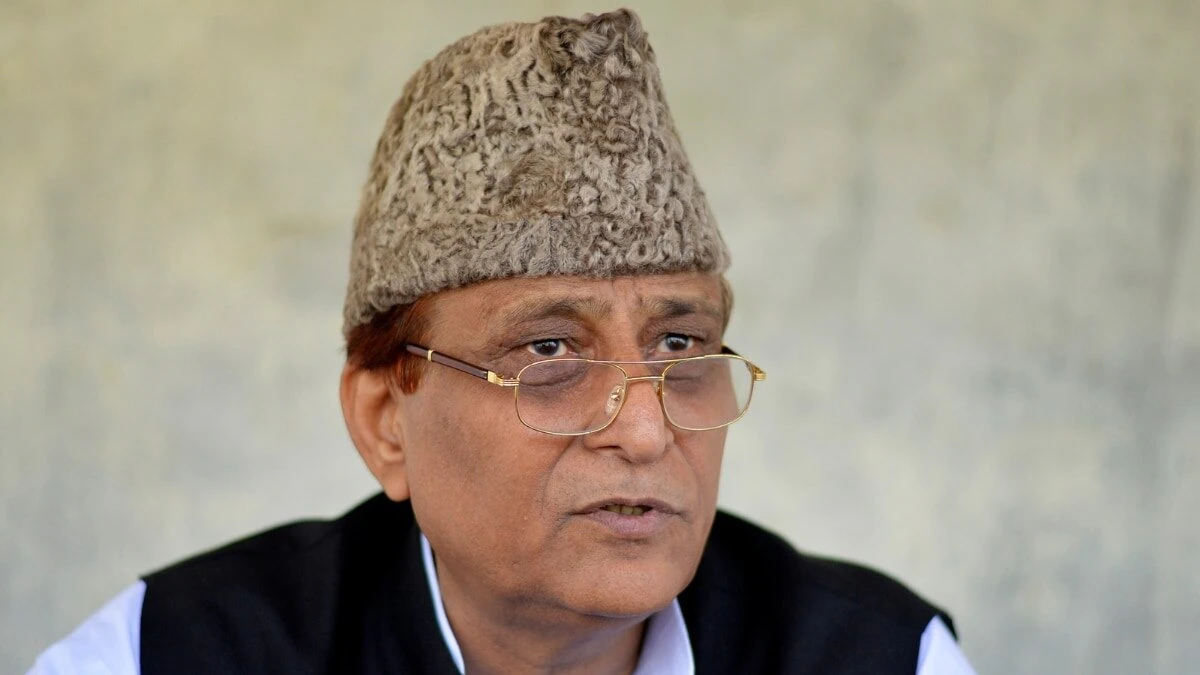
New Delhi, November 19, 2026: The Supreme Court on Thursday dismissed the Enforcement Directorate’s (ED) petition challenging the interim bail granted to senior Samajwadi Party leader Mohammad Azam Khan by the Allahabad High Court in a money laundering case.
A bench comprising Justices M. M. Sundresh and P. B. Varale refused to interfere with the High Court’s November 17 order, allowing Khan to retain his interim bail.
The court clarified that the High Court’s preliminary observations would not influence the final adjudication of the case.
Supreme Court Refuses to Interfere With Interim Bail
During the hearing, the Supreme Court examined the ED’s objections to the Allahabad High Court’s decision.
The bench observed that the relief granted was temporary and declined to overturn the interim order.
The judges also clarified that observations made by the High Court at the interim stage were prima facie and should not determine the final outcome.
The decision means that Khan’s interim bail remains in effect while the legal proceedings continue.
ED Questions Allahabad High Court’s Decision
Additional Solicitor General S. V. Raju, representing the Enforcement Directorate, argued that the High Court had granted interim relief without adequately considering the agency’s position.
The ED maintained that the grounds of arrest had been communicated to Khan and challenged the High Court’s preliminary findings concerning the legality of his detention.
The agency also questioned the speed with which the interim bail order was passed.
However, the Supreme Court declined to interfere at this stage.
Allahabad High Court Granted Bail on November 17
The Allahabad High Court granted Azam Khan interim bail on November 17 after examining his challenge to the ED’s arrest procedure.
The High Court observed that the mandatory safeguards under Article 22(1) of the Constitution and Section 19 of the Prevention of Money Laundering Act (PMLA) appeared not to have been strictly followed.
These provisions deal with procedural protections associated with arrest.
The observations were preliminary and remain subject to further judicial examination.
Azam Khan Was Arrested on October 31
Azam Khan was arrested by the Enforcement Directorate on October 31, shortly after being released from custody in another case.
Following the arrest, Khan challenged the agency’s actions and sought judicial relief.
Senior advocate Kapil Sibal represented Khan during the Supreme Court proceedings.
The ED sought to overturn the interim bail order, but its petition was dismissed on November 19.
Money Laundering Investigation Continues
The Supreme Court’s ruling concerns the interim bail granted to Khan and does not decide the underlying money laundering allegations.
The investigation and related judicial proceedings remain separate from the question of whether interim relief should continue.
The dismissal of the ED’s plea is not an acquittal, nor does it establish whether the allegations against Khan are true.
What Happens Next?
With the Supreme Court declining to interfere, the Allahabad High Court’s interim bail order remains undisturbed.
The relevant court will continue considering the pending legal issues, including the merits of Khan’s challenge and the ED’s allegations.
The Supreme Court has made clear that preliminary judicial observations must not affect the final decision.
Major Legal Development for Azam Khan
The November 19 ruling provides temporary legal relief to the senior Samajwadi Party leader.
The case has also brought attention to procedural safeguards governing arrests under the Prevention of Money Laundering Act.
Further developments will depend on subsequent hearings and decisions in the pending proceedings.
Source – LiveLaw, The Indian Express, Press Trust of India (PTI), Bar & Bench, Hindustan Times
Supreme News Network