
New Delhi, November 19, 2026: Saudi Arabia overtook the United Arab Emirates (UAE) to become India’s second-largest crude oil supplier in October 2026, while Russia maintained its position as the country’s biggest source of imported oil.
According to trade data reported by Reuters on Thursday, India’s imports from Saudi Arabia rose to approximately 790,000 barrels per day, while shipments from the UAE declined to around 612,000 barrels per day.
The change comes amid rising competition between Middle Eastern oil exporters, disruptions linked to the Iran conflict and efforts by Indian refiners to secure reliable supplies at competitive prices.
Saudi Arabia Becomes India’s Second-Largest Oil Supplier
Saudi Arabia’s crude oil shipments to India reached an eight-month high in October, allowing the kingdom to move ahead of the UAE in the monthly supplier rankings.
The latest figures show a change in India’s crude sourcing pattern following months of disruptions in Middle Eastern energy markets.
Saudi Arabia increased production and offered competitively priced crude shipments to regain market share among Indian refiners.
Meanwhile, the UAE, which had expanded its crude exports to India earlier in the year, recorded its lowest monthly shipment volume in seven months.
Russia Continues to Lead India’s Oil Imports
Russia remained India’s largest crude oil supplier during October 2026.
Indian refiners imported approximately 1.85 million barrels per day of Russian crude, an increase of 3.5% compared with September.
Russian oil accounted for roughly one-third of India’s total crude imports during the month.
Indian refiners had increased their reliance on Russian supplies after the conflict involving Iran disrupted traditional oil shipments from the Middle East earlier in the year.
Despite Saudi Arabia’s latest gains, Russia continues to hold a substantial lead in the Indian crude oil market.
India’s Crude Oil Imports Hit Record High
India’s total crude oil imports reached approximately 5.58 million barrels per day in October, setting a monthly record.
The volume represented an increase of 4.7% compared with September and 6.9% compared with October 2025.
The rise reflects strong crude purchasing activity by Indian refiners amid changing global supply conditions.
India is one of the world’s largest oil consumers and relies heavily on imports to meet its petroleum requirements.
Changes in international oil prices, shipping costs and geopolitical conditions can significantly influence the country’s crude purchasing decisions.
Saudi Arabia Offers Discounts to Regain Market Share
Saudi Arabia strengthened its competitive position by offering discounts on crude shipments.
According to Indian refining industry sources cited by Reuters, the discounts were intended to compensate buyers for higher freight costs.
The kingdom also increased oil production and expanded exports through its Red Sea port of Yanbu.
These measures helped Saudi crude become more attractive to Indian refiners compared with certain competing supplies.
The latest developments highlight the importance of pricing and transportation costs in determining crude oil purchases.
Middle East Conflict Changes Oil Supply Routes
The conflict involving Iran has disrupted conventional shipping routes in the Middle East, particularly around the Strait of Hormuz.
The waterway is a critical route for oil exports from several Gulf countries.
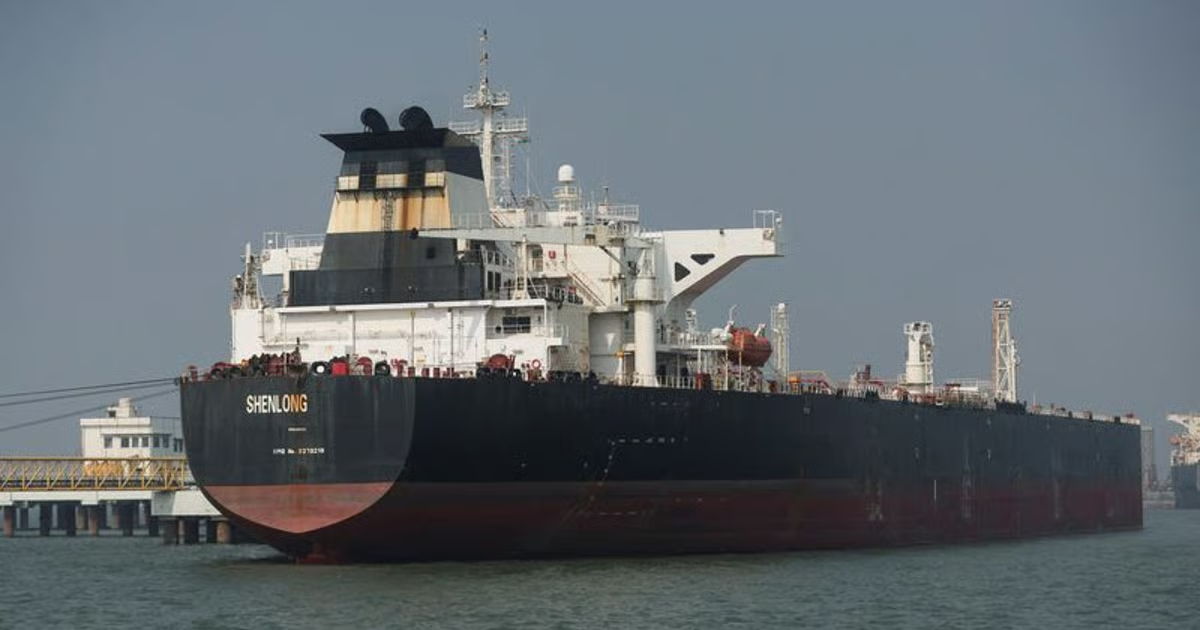
Saudi Arabian shipments were affected by the disruption, while the UAE developed alternative transportation arrangements to maintain exports.
The UAE used ship-to-ship transfers outside the strait to deliver crude from fields located west of the waterway.
These changes allowed oil producers to continue supplying major Asian markets despite regional instability.
Competition Between Saudi Arabia and UAE Intensifies
Saudi Arabia and the UAE are competing to increase their shares of the Indian crude oil market.
Both countries have adjusted their export strategies in response to changing shipping conditions and demand from Asian refiners.
Although Saudi Arabia moved ahead in October, UAE shipments remained stronger over the broader April–October period.
During those seven months, India’s imports from the UAE averaged approximately 741,400 barrels per day, an increase of 41.8% from a year earlier.
By comparison, imports from Saudi Arabia averaged around 484,100 barrels per day, down 18.4% year-on-year.
The figures show that Saudi Arabia’s October gain represents a recent monthly shift rather than a complete reversal of the longer-term import trend.
What the Change Means for India’s Energy Security
India’s dependence on imported crude makes diversification of energy suppliers an important part of its procurement strategy.
Purchasing oil from multiple countries can provide refiners with more flexibility when international shipping routes face disruptions.
Competition among suppliers may also give Indian buyers opportunities to negotiate more favourable commercial terms.
However, lower crude import costs do not automatically result in immediate reductions in petrol and diesel prices, which depend on several additional factors.
The latest trade data highlights the continued importance of Russia, Saudi Arabia and the UAE in India’s energy supply network.
India Continues to Adjust Crude Oil Purchases
The October figures demonstrate how quickly crude oil supplier rankings can change in response to geopolitical developments, pricing and shipping availability.
Russia remains India’s dominant supplier, while Saudi Arabia has recovered its second-place position for the month.
The UAE continues to play a significant role in India’s crude import market despite its lower October shipments.
Further changes in supplier rankings will depend on global oil prices, regional security conditions and purchasing decisions by Indian refiners.
Source – Reuters, The Economic Times, MarketScreener
Supreme News Network