
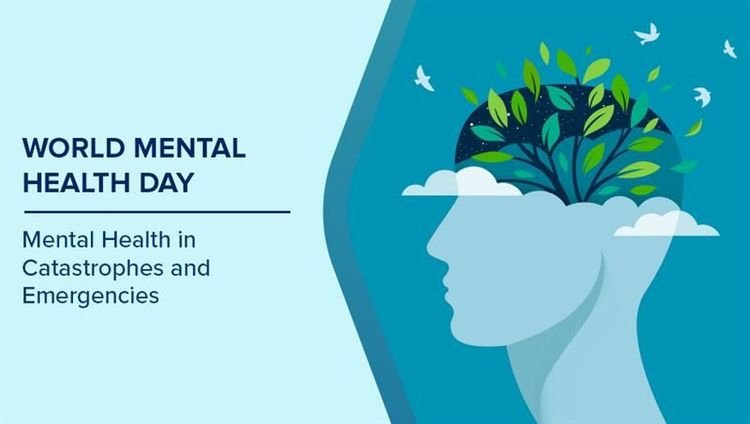
New Delhi | October 10, 2026: World Mental Health Day is being observed globally today, with this year’s theme, “Lived experiences heard: real voices, real change,” highlighting the need to make mental-health services more responsive to the experiences and needs of people living with mental-health conditions.
The occasion has also brought renewed attention to anxiety disorders, early intervention and the importance of seeking professional support rather than allowing symptoms to go untreated.
Anxiety Disorders Affect Millions Worldwide
According to the World Health Organization (WHO), anxiety disorders affected an estimated 470 million people worldwide in 2023, making them the most common group of mental disorders globally.
Despite the widespread impact, only around one in four people with an anxiety disorder receives treatment. The figures highlight the continuing gap between the need for mental-health care and access to appropriate services.
When Everyday Worry Becomes an Anxiety Disorder
Feeling nervous or worried occasionally is a normal part of life. However, an anxiety disorder involves excessive or persistent fear and worry that can become difficult to control.
When these symptoms begin interfering with work, education, relationships, sleep or daily activities, professional assessment may be necessary.
Effective Treatment Options Are Available
The WHO says effective treatments are available for anxiety disorders. Psychological therapies, particularly cognitive behavioural therapy (CBT), have strong evidence supporting their effectiveness in helping people manage anxiety.
Depending on individual needs, therapy may be provided in individual or group sessions, face-to-face or through supervised digital services. A qualified healthcare professional can help determine the most appropriate approach.
Why Seeking Professional Help Matters
Many people hesitate to seek therapy because they fear being judged, struggle to explain their emotions or believe their difficulties are not serious enough to require professional attention.
Mental-health professionals emphasise that people do not need to have all the answers before their first appointment. An initial session generally focuses on understanding a person’s concerns, discussing symptoms and identifying suitable options for support.
2026 Theme Puts Lived Experiences at the Centre
This year’s World Mental Health Day campaign calls for people with lived experience of mental-health conditions to play a meaningful role in shaping policies and services.
According to the WHO, listening to personal experiences should be accompanied by practical involvement in the design, implementation and evaluation of mental-health programmes. The aim is to ensure that services reflect the real needs of the people who use them.
WHO Urges Shift Towards Community-Based Care
The WHO has also called on countries to move away from relying heavily on long-term institutional psychiatric care and towards community-based, person-centred mental-health services.
According to the figures cited in its recent guidance, only around 9% of reporting countries have fully transitioned to community-based mental-health care, while 53% remain at an early stage of reform.
The shift aims to make mental-health support more accessible and better integrated into communities.
Stigma Continues to Prevent People From Seeking Support
Stigma remains a major barrier to mental-health care. Fear of discrimination and misconceptions about mental illness can discourage people from discussing their symptoms or approaching professionals.
People with lived experience can help challenge these misconceptions and provide valuable insight into the support and treatment that make a meaningful difference in everyday life.
Early Intervention Can Improve Well-Being
Persistent anxiety can affect concentration, sleep, physical well-being and personal relationships. Recognising symptoms and seeking qualified support early can help people understand their experiences, develop coping strategies and access appropriate treatment.
Mental-health concerns should not be dismissed or ignored simply because they are not always visible to others.
World Mental Health Day Calls for Real Change
The WHO’s 2026 campaign aims to move beyond hearing personal stories and towards giving people with lived experience a genuine role in shaping mental-health systems.
The central message is that mental health deserves timely attention, compassionate support and evidence-based care. Improving access to treatment, reducing stigma and involving people with lived experience in decision-making remain important steps towards more inclusive mental-health services.
Sources: World Health Organization, Hindustan Times
Supreme News Network