
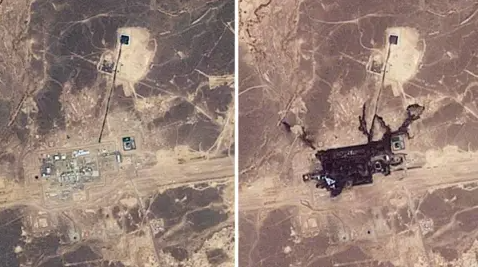
RIYADH, September 12: Saudi Arabia has temporarily shut its strategically important East-West oil pipeline after multiple drone attacks damaged sections of the network in the Riyadh and Madinah regions, raising fresh concerns over global energy supplies and key Middle East shipping routes.
Saudi authorities said the drones were launched from Iraqi territory. The attacks caused injuries and damage, although officials have not disclosed the number of people injured.
Pipeline Shut as Precautionary Measure
Saudi Arabia’s Ministry of Energy said the East-West Pipeline was shut down as a precautionary measure while emergency and technical teams assess the safety of the infrastructure.
The attacks took place on September 10, while Saudi authorities subsequently announced the shutdown and investigation. Officials said damaged sections were being secured and further updates would be issued after technical inspections.
The pipeline, also known as Petroline, stretches roughly 1,200 kilometres from Saudi Arabia’s eastern oil-producing region to the Red Sea port of Yanbu.
Pipeline Became Vital Alternative to Hormuz
The East-West route has become particularly important because it allows Saudi crude to bypass the Strait of Hormuz, one of the world’s most important oil transit routes.
Saudi Arabia has increased its reliance on the pipeline amid disruptions around Hormuz linked to the wider Middle East conflict. The route has recently been carrying roughly 4 million to 5 million barrels of oil per day, equivalent to around 4%-5% of global supply, according to Reuters.
A prolonged shutdown could therefore place additional pressure on an oil market already dealing with geopolitical risks and restricted shipping routes.
Saudi Arabia Says Drones Came From Iraq
Saudi Arabia’s Foreign Ministry strongly condemned the attacks on Saturday, saying several drones launched from Iraq targeted the pipeline in the Riyadh and Madinah regions.
Riyadh said it had decided not to retaliate at this stage following a request from the Iraqi prime minister to allow Baghdad time to act against groups using Iraqi territory to launch attacks.
Saudi Arabia nevertheless stressed that it reserves the right to take necessary measures to protect its territory, critical infrastructure and citizens.
Iraq Launches Investigation
Iraqi authorities have begun investigating the incident after acknowledging that the drones originated from inside Iraq.
Baghdad has taken several security measures, including closing a border crossing with Iran and launching an operation to identify those responsible. Iran-backed armed groups operate in parts of Iraq, although no group had publicly claimed responsibility for the pipeline strike at the time of reporting.
Red Sea Shipping Faces Fresh Pressure
The pipeline shutdown comes as security concerns are also increasing around the Red Sea and Bab el-Mandeb Strait.
Iran-aligned Houthi forces in Yemen have seized the strategically located Perim, or Mayun, Island near Bab el-Mandeb, adding another potential threat to a major global shipping corridor.
This means Saudi Arabia is facing pressure on both of its main export directions — Hormuz to the east and Red Sea routes to the west.
Global Oil Supply Concerns Deepen
The combination of the Saudi pipeline shutdown, instability around Hormuz and growing Houthi activity near Red Sea shipping routes has intensified concerns about global crude supplies.
For major oil-importing countries such as India, prolonged disruption could translate into higher crude import costs, inflationary pressure and renewed volatility in fuel and currency markets.
Saudi authorities have said technical teams are assessing the pipeline and that further information on its operational status will be announced.
source – Reuters / Saudi Press Agency / AP
Supreme News Network