

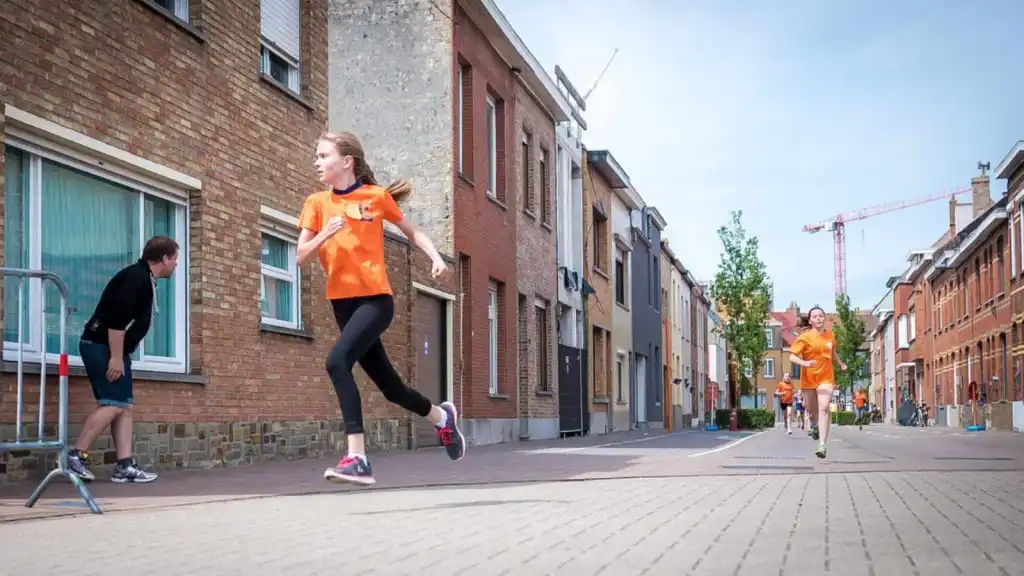
New Delhi, November 5, 2026: A new global study released by the World Health Organization (WHO) has revealed that nearly one in four adolescents worldwide failed to complete even 60 minutes of physical activity on any day of the previous week. The findings, published in The Lancet Global Health, highlight a persistent lack of exercise among young people, with girls significantly less active than boys.
The study also found that global adolescent physical activity levels have shown almost no improvement over the past 15 years, raising concerns about long-term health risks.
240 Million Adolescents Report No Active Days
According to the WHO, approximately 240 million adolescents aged 11 to 17 years, representing nearly 25% of the global adolescent population, did not achieve 60 minutes of moderate-to-vigorous physical activity on any day during the previous week.
On average, adolescents met the 60-minute activity threshold on just 2.7 days per week.
Only 14% reported meeting the threshold on all seven days, highlighting a substantial gap between recommended physical activity and actual participation.
Study Analyses More Than 3.2 Million Adolescents
The research analysed information from 389 population-based surveys conducted across 140 countries and territories.
The surveys covered more than 3.2 million adolescents and examined physical activity trends between 2010 and 2025.
Researchers assessed how frequently adolescents completed at least 60 minutes of moderate-to-vigorous physical activity in a day.
The findings revealed that participation levels had remained largely unchanged despite growing awareness of the health benefits of exercise.
Girls Less Active Than Boys Worldwide
One of the study’s most significant findings was the persistent gender gap in physical activity.
Approximately 28% of girls reported no active days during the week, compared with 22% of boys.
Only 11% of girls achieved the recommended activity threshold every day, compared with 17% of boys.
Girls were found to be less physically active than boys in almost every country and WHO region included in the assessment.
Researchers said social expectations, safety concerns and unequal access to recreational facilities may contribute to the difference.
WHO Warns of Long-Term Health Risks
Physical inactivity is an established risk factor for several non-communicable diseases.
Insufficient physical activity can contribute to higher risks of cardiovascular disease, Type 2 diabetes and certain cancers over the long term.
Regular movement during adolescence also supports muscle and bone development, physical fitness and mental well-being.
Health experts emphasise that developing active habits during childhood and adolescence can help protect health later in life.
WHO Chief Calls for Urgent Action
WHO Director-General Dr Tedros Adhanom Ghebreyesus expressed concern about the lack of progress in adolescent physical activity.
He said the world had made almost no progress in encouraging young people to become more active over the past 15 years.
The WHO chief stressed that the solution was not simply asking teenagers to exercise harder.
Instead, governments and communities need to create safe schools, streets and public spaces where physical activity becomes a normal part of everyday life.
No Country on Track for 2030 Physical Activity Target
In 2018, WHO member states agreed to a global target of reducing physical inactivity by 15% by 2030.
However, according to the latest assessment, no country is currently on track to achieve the target.
Study author Tessa Strain, from the University of Edinburgh, said the findings demonstrate the need for stronger policies and investments that make physical activity more accessible.
The results indicate that awareness campaigns alone have not been sufficient to produce major improvements.
India Excluded Due to Lack of Representative Data
India was not included in the latest global analysis because researchers could not identify suitable nationally or large sub-nationally representative surveys meeting the study’s methodological requirements.
The researchers examined more than 15 potential Indian surveys but found that each failed to meet at least one required criterion.
The absence of comparable data represents an important gap in understanding adolescent physical activity in India.
Researchers emphasised the need for stronger monitoring systems to track exercise habits among young people.
Experts Call for Stronger School-Level Fitness Programmes
WHO officials have urged countries to strengthen physical education and recreational opportunities in schools.
They recommend ensuring that students have regular opportunities for sports, active play, walking and cycling.
Special attention should be given to encouraging girls’ participation by addressing safety, affordability and cultural barriers.
Schools can play a major role by making physical activity a routine part of the academic day rather than treating it only as an extracurricular activity.
Fit India and Khelo India Initiatives Highlighted
India has introduced several programmes designed to encourage physical fitness among young people.
These include the Fit India Movement and Khelo India, which aim to promote exercise, sports participation and healthier lifestyles.
The National Education Policy 2020 also recognises sports and physical education as important components of holistic learning.
However, health experts say stronger implementation, accessible playgrounds and reliable monitoring are essential to improving participation.
Screen Time and Urban Lifestyles Pose Challenges
The WHO identified several factors influencing adolescent activity levels, including transport patterns, school environments, social norms and increasingly screen-based lifestyles.
Limited access to parks, safe walking routes and affordable sports facilities can restrict opportunities for exercise.
In some countries, adolescents may also face safety concerns that discourage outdoor activities.
Researchers stressed that these challenges require coordinated action from governments, schools, urban planners and communities.
WHO Urges Global Action to Improve Adolescent Health
The study calls for stronger cooperation between education, healthcare, transport, sports and urban planning authorities.
Recommended measures include developing safe cycling routes, improving public playgrounds, expanding school sports programmes and making recreational facilities accessible to all young people.
The findings highlight the importance of addressing inequalities, particularly those affecting girls.
With approximately 240 million adolescents reporting no days meeting the recommended activity threshold, the WHO warns that improving opportunities for physical activity must become a major global public health priority.
Source: World Health Organization, The Lancet Global Health, The Indian Express, Hindustan Times
Supreme News Network