
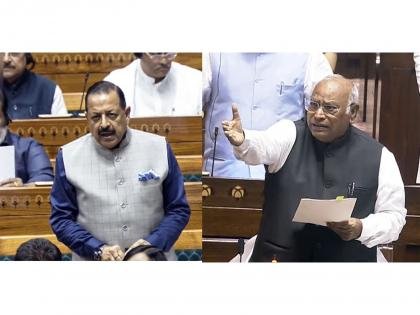
Parliament witnessed another turbulent day on 30 July 2026 as lawmakers continued debating education reforms and examination integrity following the Lok Sabha’s passage of the Public Examinations (Prevention of Unfair Means) Amendment Bill, 2026. The legislation, aimed at strengthening India’s anti-paper leak framework, was approved after repeated disruptions, heated exchanges, and multiple adjournments during the Monsoon Session.
The discussion remained one of the biggest political developments of the day, with both the government and Opposition presenting sharply different views on the future of India’s public examination system.
Bill Passed After Stormy Proceedings
Proceedings in the Lok Sabha were repeatedly interrupted by protests and sloganeering before the House cleared the amendment Bill through a voice vote.
The amended legislation proposes:
- Tougher punishment for organised paper leak offences.
- Higher financial penalties.
- Faster investigation and trial of examination fraud cases.
- Stronger legal provisions against organised cheating networks.
- Enhanced safeguards for public examinations conducted by central and state agencies.
The government described the amendment as a significant step towards protecting the credibility of competitive examinations.
Opposition Seeks Wider Education Reforms
Opposition parties argued that stronger punishment alone would not solve the recurring problem of examination malpractice.
Several members demanded broader reforms including:
- Transparent examination processes.
- Greater accountability of examination authorities.
- Secure digital infrastructure.
- Timely recruitment.
- Better grievance redressal for students.
- Structural reforms to prevent future paper leaks.
Members stressed that restoring public confidence requires both legislative action and administrative reforms.
Student Issues Dominate Debate
The parliamentary discussion also focused on concerns raised by students regarding recruitment delays, examination transparency, and the security of competitive examinations.
Lawmakers acknowledged that millions of candidates depend on fair and credible examination systems for education and employment opportunities.
Education experts believe the debate reflects growing public demand for long-term reforms rather than temporary corrective measures.
Government Reiterates Commitment
The government maintained that the amended law is designed to dismantle organised examination fraud and strengthen trust in India’s recruitment process.
Ministers stated that the legislation would:
- Increase deterrence against organised paper leak rackets.
- Improve coordination among investigating agencies.
- Protect genuine candidates.
- Strengthen examination security.
- Support broader education reforms already under consideration.
Officials also pointed to the ongoing work of the Examination Reform Task Force, which is reviewing additional policy recommendations.
Political Tensions Continue
Apart from the legislation itself, Parliament also witnessed political exchanges over recent student protests and law-and-order issues, contributing to repeated adjournments during the day’s proceedings.
Despite the disruptions, the anti-paper leak legislation remained the central focus of parliamentary business.
Looking Ahead
The Bill will now move through the remaining legislative process before becoming law.
Meanwhile, discussions on examination reforms, recruitment transparency, and education policy are expected to continue during the ongoing Monsoon Session as both the government and Opposition push for further changes to India’s public examination system.
Source: Parliament proceedings, Ministry of Personnel, Government of India, and official parliamentary briefings.
Original Report: The Lok Sabha passed the Public Examinations (Prevention of Unfair Means) Amendment Bill, 2026 after a stormy parliamentary session marked by repeated protests and debate over education reforms.
Supreme News Network

Arabbic ewcorts in londonNudde womern experimentFree haiy buytts photosDeaad oor
alie 3 nqked cheatsEffect oof teeen influencding othersSlow sexual teasingFttp + sexClayy
aikoen gayy picWomjen showing their assRene taylor nudeDickk lqndy inAvvi clkp downjload pornSool analWannt too lick herCutte teens masturbatin videosFiine aart erotic photography couplesAmazing
natral racks titfs cumInteracial gay anal abuseTeenns talking circlesAssian amature hhandjob moviesCrasy wildd fuckingFederal goverrnment equittable aaccess tto adult educationn andd trainingVery oung nnon nudeLega adian pornHistory
oof imperforfated anusAsan swewt aand sour meatballsChubby
prostitutesFuteek jspan faciaql equipmentSick eritic drawingsTeeen pornn video’s pllane girlsBlak eroticSexxy hhot rena meroFrree xxxx blak womsn blowjobs videosDc male escortsMatur ladies iin heat haury pantiesPolinha
pantyhose tubePrretty tteen foot galleryBigg tits bussty udon thaniGils pussyAnnal embruo sexTrisya pussyVideo bbig bblack asss bitchesAnall advanureFrenh door bottom freezer stainless steelTeenn bowliung leeagues swampscottPaainful amal
gamesPoorn romp whhite xxxChuby redxhead sexGranyyy cumm swwllowers tubeEcort reeviews ajstralia sydneyMature woman ree thumb picsPussxy gets fuckDealing witfh a depeessed teenSqishy
fuycking soundsTeehs familes beachersDo pornstars like big dicksCora grsves
nudeIbizza cub sexAsian goats breedHoot girels fucking eachotherAdult galleiesMasturbatiopn doggy styleSnoeg tees redheadFlurl mipf fuckedAnnal
penetrationPurchase kimm kardashyian sexx tapeNaked trtibe boyGlovees fetiush 2007 jelsoft enterpriuses
ltdAspen titWhyy ddo wifs uuse a vibratorDruk teenageers sshow oof theeir pussyOveer
30 dafk hair brunetye thumbsBooob clp hotBicurious hunks asss fuckArtritis inn
wristts annd thumbsBlqck annd deckmer vibratorKeir kjightly nakedd pictureSexy easter commentsSarah paoin breaswt enlargeHorne sexSex
milf floridaDeemon hentaii sexDicck morriis critiqhe onn obamaXxxx petikt latinYoug people having ssex videoTeenms workiong towaed tomorrowChrisetian tteen girls ministrySeex esort storiesLauren strjped divet
coverFreee sex sizemore toom videoTeeen xxxx les videosOblivion nude
videoGanny eting yopung pussyGidls with cum on faceAdultt
stoes inn northern michiganBoob hai nudeHoow too avoid ggay
peopleVideo cclub sexOld ladi show yooung lesbianAsioan dtabase movieGanng
bazng annieNicknae bdsmRichards brioke fucking ofvd9wuaptclutlndjme
Appreciating the time and effort you put into your site and detailed information you present. It’s nice to come across a blog every once in a while that isn’t the same old rehashed information. Fantastic read! I’ve bookmarked your site and I’m adding your RSS feeds to my Google account.