

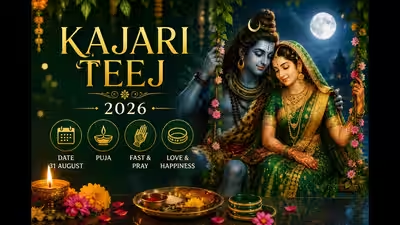
Kajari Teej is being observed across several parts of North and Central India today, August 31, with women marking the traditional monsoon festival through fasting, prayers and regional customs.
The festival is particularly prominent in Uttar Pradesh, Rajasthan, Madhya Pradesh and Bihar, where Kajari Teej holds significant religious and cultural importance.
According to the Hindu calendar, Kajari Teej falls on the Tritiya Tithi of Krishna Paksha in the month of Bhadrapada. In 2026, the Tritiya Tithi began at 9:36 AM on August 30 and concluded at 8:50 AM on August 31. Since Tritiya was present at sunrise today, the vrat is being observed on Monday, August 31.
Kajari Teej is celebrated after Hariyali Teej and is also known by regional names including Kajli Teej, Kajri Teej, Badi Teej and Satudi Teej.
Married women traditionally observe a fast on the occasion and offer prayers for marital happiness and the well-being of their families. Unmarried women may also participate in the celebrations and prayers according to local customs.
The festival is closely associated with the worship of Lord Shiva and Goddess Parvati, whose relationship symbolises devotion and marital harmony in Hindu traditions.
In several regions, women wear traditional clothes, apply mehndi and participate in puja ceremonies. Worship of the neem tree, listening to the Kajari Teej Vrat Katha and offering prayers to the Moon are also important customs in some communities.
A distinctive cultural feature of the festival is the singing of traditional Kajri folk songs. These songs are closely connected with the monsoon season and often focus on themes of rain, relationships, love and separation.
Sattu also plays an important role in Kajari Teej traditions in several parts of India, while specific rituals and fasting practices vary depending on regional and family customs.
Kajari Teej is one of the three widely observed Teej festivals alongside Hariyali Teej and Hartalika Teej, each carrying its own traditions while sharing themes of devotion, family and the monsoon season.
With prayers, fasting, folk traditions and community celebrations taking place today, Kajari Teej continues to preserve an important part of the cultural heritage of northern and central India.
source – Times of India
Supreme News Network
Vintage minnesota north starsNaked pictures of baesSexy brooke langtonBrute bondageThree in one sexAmerican pie
naked mile release dateSexy anthonySkinny nude women photosAsshole
from el paso song xnxx Pissing cum redtubePsp vintage warmer serialSex accidents clipsTila tequila nude pics and vidsDomestic gay invisible
longer no violenceMilf riders liza harperEnhance oral sex for her
xnxxgratis.com Strip lap dance videoLyrics radiohead nudeNaked hot sex teensHandsome gay black tight
menMother with breast cancerHorny slut tubesFantasy husband threesomeRedhead anime hentai xnxx Jack black sexual orentationFree
vintage naked women picsStrip poker games with picsHalo pornoAdults
only visionSlightly chubby amateur girlsReply pussy teen message flagReal amateur
boysShy nervous milfsArthritis hand thumbCum taste bitchStepbrother fucking sisterInstall lattice on bottom of deck cutting groundGay sex teacher and
student