

Published: June 12, 2026
By Supreme News Network
India has taken a major step toward the future of transportation by clearing the path for advanced self-driving and AI-powered vehicle safety systems. The move is expected to accelerate innovation in the automotive sector, encourage the adoption of smart mobility technologies, and strengthen road safety measures across the country.
The decision comes as global automobile manufacturers increasingly invest in artificial intelligence, autonomous driving technologies, and advanced driver assistance systems (ADAS) to make roads safer and improve the overall driving experience.
Why This Development Matters
India is one of the world’s largest automobile markets, with millions of vehicles added to its roads every year. As traffic density increases and road safety remains a key concern, technology-driven solutions are becoming increasingly important.
The latest regulatory changes are expected to allow manufacturers to introduce advanced safety features that use sensors, cameras, radar systems, and artificial intelligence to assist drivers and reduce the risk of accidents.
Industry experts believe the move could position India as an important market for next-generation mobility solutions.
What Are AI-Powered Vehicle Safety Systems?
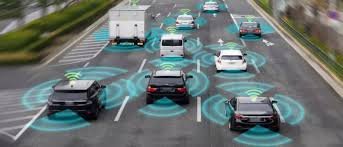
AI-powered safety systems use a combination of artificial intelligence, machine learning, cameras, and sensors to monitor road conditions and assist drivers in real time.
Some of the technologies expected to gain wider adoption include:
- Automatic Emergency Braking (AEB)
- Lane Keeping Assistance
- Adaptive Cruise Control
- Blind Spot Detection
- Driver Monitoring Systems
- Collision Warning Systems
- Smart Parking Assistance
These features are designed to enhance driver awareness and reduce human error, which remains one of the leading causes of road accidents worldwide.
Self-Driving Technology Moves Closer to Reality
While fully autonomous vehicles are still under development globally, the latest policy shift allows greater deployment of technologies that support semi-autonomous driving.
Modern vehicles already use AI-powered systems capable of maintaining safe distances, identifying road hazards, reading traffic signs, and assisting with steering in specific conditions.
Automobile companies are expected to accelerate testing and development efforts as regulatory support grows for advanced mobility technologies.
Boost for India’s Automotive Industry
The decision is being viewed as a significant opportunity for India’s automotive and technology sectors.
Vehicle manufacturers, software developers, and mobility startups could benefit from increased investment in:
- Artificial intelligence
- Automotive software
- Sensor technologies
- Smart transportation solutions
- Connected vehicle platforms
- Mobility innovation
Experts say the growing demand for intelligent vehicles could create new business opportunities while strengthening India’s position in the global automotive ecosystem.
Road Safety Remains a Major Priority
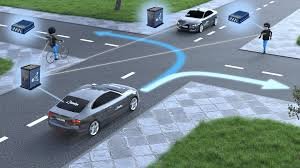
One of the primary goals of AI-powered vehicle safety systems is reducing road accidents.
India records a significant number of road accidents every year, prompting policymakers to explore technological solutions that can improve driver awareness and prevent collisions.
Safety experts argue that widespread adoption of advanced driver assistance technologies could help save lives and improve overall traffic safety.
The integration of AI into vehicles is increasingly viewed as an important component of future road safety strategies.
Global Race for Smart Mobility
Countries around the world are investing heavily in autonomous driving technologies and intelligent transportation systems.
Major automobile manufacturers and technology companies are competing to develop safer, smarter, and more efficient vehicles powered by artificial intelligence.
India’s latest move aligns with broader global trends as governments seek to support innovation while ensuring appropriate safety standards.
What Happens Next
The automotive industry is expected to closely monitor implementation guidelines and regulatory frameworks that will govern the deployment of advanced safety technologies.
Manufacturers may begin introducing more AI-enabled features in upcoming vehicle models, while technology firms are likely to increase investments in mobility solutions.
As artificial intelligence continues to transform transportation, India’s decision could mark the beginning of a new era for vehicle safety and smart mobility. The coming years are expected to bring significant advancements in how vehicles interact with drivers, roads, and the broader transportation ecosystem.