

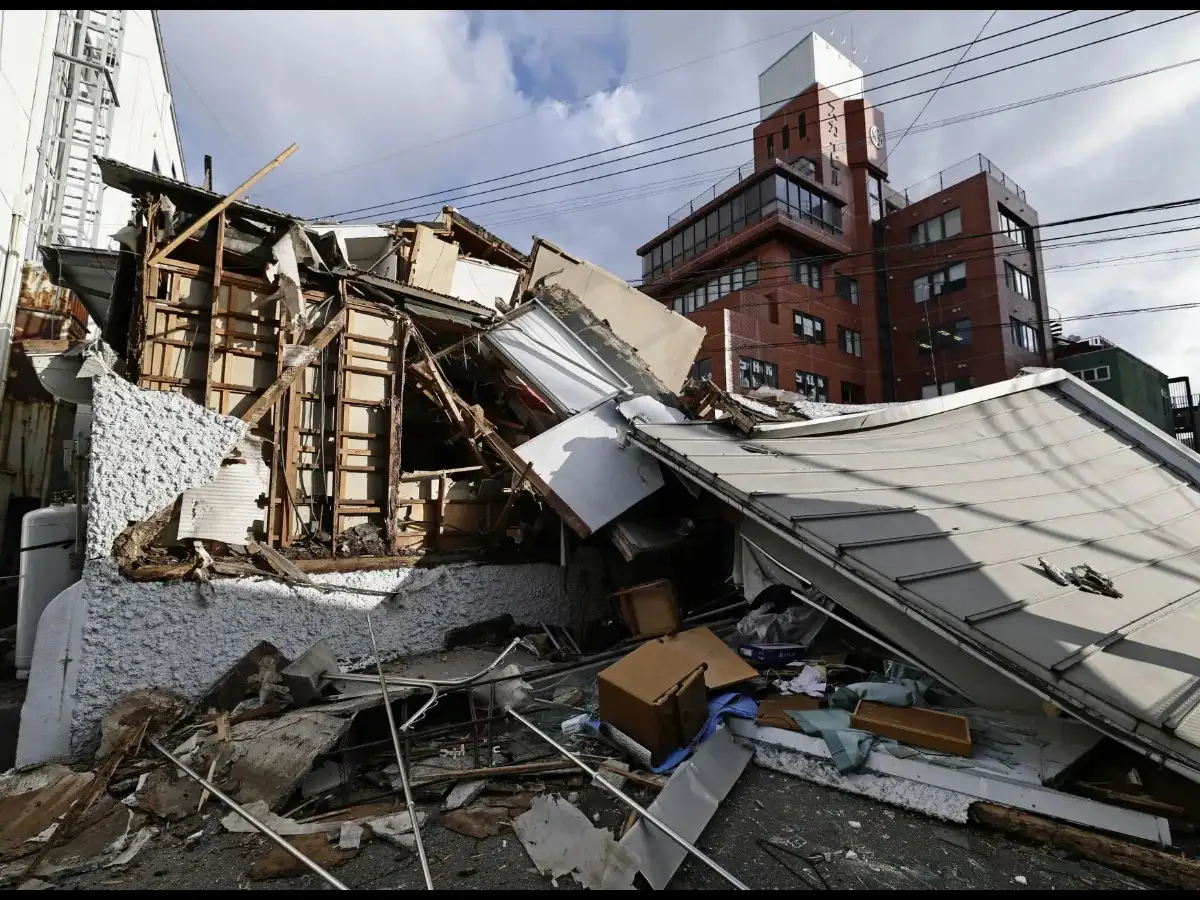
A powerful earthquake struck parts of Japan on 29 July 2026, prompting emergency response operations and renewed concerns over seismic activity in one of the world’s most earthquake-prone regions. Authorities quickly activated disaster management protocols, while officials assessed damage to infrastructure and monitored the possibility of aftershocks.
The earthquake dominated international headlines as global attention also remained focused on ongoing geopolitical tensions, sanctions, and security developments in several regions.
Strong Earthquake Triggers Emergency Response
According to Japanese authorities, the earthquake was felt across several prefectures, causing temporary disruptions to transportation and public services.
Emergency agencies immediately:
- Activated disaster response systems.
- Conducted safety inspections.
- Monitored aftershock activity.
- Issued public safety advisories.
- Assessed damage to buildings and transport infrastructure.
Residents in affected areas were advised to remain cautious and follow instructions issued by local authorities.
Authorities Monitor Aftershocks
Seismologists warned that additional aftershocks could occur in the hours and days following the main earthquake.
Officials urged citizens to:
- Avoid damaged buildings.
- Prepare emergency kits.
- Monitor official alerts.
- Stay away from coastal areas if tsunami advisories are issued.
- Cooperate with emergency responders.
Japan’s advanced earthquake monitoring network helped provide rapid information following the seismic event.
Infrastructure Assessment Underway
Transport operators and utility companies began inspecting critical infrastructure, including:
- Rail networks.
- Highways.
- Airports.
- Power supply systems.
- Communication facilities.
Authorities stated that restoration work would continue wherever necessary while ensuring public safety remained the highest priority.
Global Attention on Geopolitical Developments
Alongside the earthquake, international attention continues to focus on evolving geopolitical tensions and sanctions affecting global diplomacy and trade.
Governments and international organisations remain closely monitoring developments involving:
- Regional security.
- Diplomatic negotiations.
- Economic sanctions.
- Global energy markets.
- International trade relations.
Analysts say these issues continue influencing financial markets and global policy discussions.
International Community Expresses Support
Several governments and international organisations expressed solidarity with Japan following the earthquake.
Emergency management agencies indicated they were prepared to provide assistance if requested by Japanese authorities.
Japan has long been recognised for its advanced disaster preparedness systems and rapid emergency response capabilities.
Looking Ahead
Authorities continue assessing the full impact of the earthquake while monitoring aftershocks and infrastructure conditions.
Experts emphasise that preparedness, rapid emergency response, and public cooperation remain essential in reducing the impact of major natural disasters.
At the same time, international attention is expected to remain divided between humanitarian response efforts in Japan and ongoing geopolitical developments shaping the global landscape.
Source: Japan Meteorological Agency (JMA), Japanese government authorities, disaster management agencies, and official international updates.
Original Report: A powerful earthquake struck Japan, triggering emergency response operations while global attention remained focused on continuing geopolitical tensions and international sanctions.
Supreme News Network



I’m now not sure where you are getting your information, but good topic. I must spend a while finding out much more or figuring out more. Thank you for excellent info I used to be looking for this information for my mission.
Do you have a spam issue on this blog; I also am a blogger, and I was wondering your situation; many of us have created some nice methods and we are looking to trade techniques with others, why not shoot me an email if interested.
My brother recommended I might like this blog. He was totally right. This post truly made my day. You cann’t imagine simply how much time I had spent for this info! Thanks!