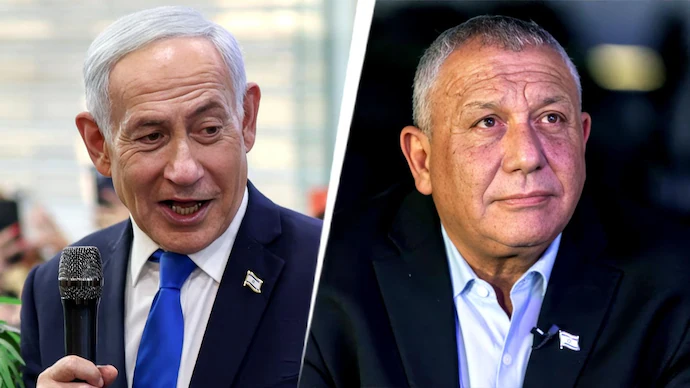
Jerusalem, October 27, 2026: Israelis are voting in a closely contested parliamentary election that could determine the political future of Prime Minister Benjamin Netanyahu, as the country holds its first national vote since the Hamas-led October 7, 2023 attack and the years of conflict that followed.
Polling stations opened across Israel at 7:00 am local time on Tuesday and are scheduled to close at 10:00 pm, with more than 7.3 million people eligible to cast ballots. Opinion polls indicate a tight race between Netanyahu’s Likud-led bloc and opposition parties led by former military chief Gadi Eisenkot.
Netanyahu Fighting for Political Survival
The election is widely being viewed as a referendum on Netanyahu’s leadership.
Israel’s longest-serving prime minister has been in power for much of the period since 2009, following an earlier term in the 1990s.
But the October 7 attack, the war in Gaza, conflict with Hezbollah in Lebanon, confrontation with Iran and growing international criticism have transformed the political landscape.
First General Election Since October 7 Attack
Tuesday’s vote is Israel’s first parliamentary election since Hamas-led militants attacked southern Israel on October 7, 2023.
The attack and the subsequent wars have dominated Israeli politics for three years and remain central to the campaign.
Opposition parties have argued that the election should bring accountability for the security failures surrounding October 7, while Netanyahu has emphasised his wartime leadership and Israel’s military campaigns.
Gadi Eisenkot Emerges as Netanyahu’s Main Rival
Former Israeli military chief Gadi Eisenkot has emerged as Netanyahu’s strongest challenger.
Eisenkot heads the centrist Yashar party and has presented himself as a security-focused alternative to Netanyahu.
The former chief of staff also lost a son during fighting in Gaza, giving his campaign a deeply personal connection to the war.
Polls Show Close Race
Final opinion surveys ahead of the vote indicated that neither Netanyahu’s political bloc nor the opposition had a comfortable path to the 61 seats required for a majority in the 120-member Knesset.
Reuters reported that the contest had narrowed significantly as election day approached.
That means the identity of the next prime minister may ultimately depend on smaller parties and weeks of coalition negotiations.
Israelis Vote for Parties, Not Prime Minister Directly
Israel does not directly elect its prime minister.
Voters choose political parties, and parliamentary seats are then distributed through proportional representation.
After the results are certified, the party leader considered most likely to assemble a governing majority is normally given the opportunity to form a coalition.
61 Seats Needed to Govern
A governing coalition needs support from at least 61 members of the 120-seat Knesset.
No single Israeli party has ever won an outright parliamentary majority, making coalition negotiations a central feature of Israeli politics.
7.3 Million Israelis Eligible to Vote
Israel’s Central Elections Committee says approximately 7.3 million Israelis are eligible to participate in the election.
Around 330,000 are voting in a national election for the first time, many of them young Israelis who have spent much of the past three years living through wartime conditions.
Turnout Could Play Critical Role
Turnout among different communities may prove decisive.
Nearly 17% of eligible voters had cast ballots during the first three hours of voting, according to figures cited by the Associated Press.
Even modest differences in turnout could affect whether smaller parties cross the electoral threshold and alter the coalition arithmetic.
Arab Israeli Vote Could Become Crucial
Arab citizens make up around 20% of Israel’s population, and turnout among Arab voters could have a significant impact on the final result.
Parties including Ra’am and the Joint List could emerge as important players if neither major political bloc secures a majority.
Ra’am leader Mansour Abbas said while voting that he hoped turnout in Arab communities would exceed 70%.
Eisenkot Has Ruled Out Formal Arab Coalition
Eisenkot has said he does not intend to form a formal coalition with Arab parties, citing differences over fundamental political issues.
However, analysts have suggested that Arab parties could potentially support an opposition-led minority government from outside the coalition if that became necessary to remove Netanyahu from office.
Netanyahu Still Relies on Right-Wing Allies
Netanyahu’s path to power depends heavily on religious and nationalist parties.
Far-right leaders Itamar Ben-Gvir and Bezalel Smotrich remain important potential coalition partners.
Netanyahu has also traditionally relied on ultra-Orthodox parties including Shas and United Torah Judaism.
Military Service Exemptions Major Election Issue
One of the election’s biggest domestic issues is the exemption of many ultra-Orthodox Jewish men from compulsory military service.
The policy has faced increasing opposition after years of war placed heavy demands on reservists and regular soldiers.
Netanyahu’s ultra-Orthodox coalition partners favour maintaining broad exemptions, while opponents including Eisenkot have promised changes.
October 7 Accountability Dominates Opposition Campaign
Netanyahu’s opponents have focused heavily on responsibility for the failures preceding the October 7 attack.
Opposition groups have promised a formal national investigation into the security, intelligence and government decisions leading up to the attack.
The issue remains deeply emotional for families of those killed, wounded or taken hostage.
Families of Victims Mark Election Day
In Tel Aviv, relatives of people killed during the October 7 attack and former hostages held a moment of silence as voting began.
Eisenkot also visited communities attacked on October 7 early Tuesday, using the visit to emphasise his argument that government accountability should be at the centre of the election.
Gaza War Shapes Political Debate
Israel’s campaign has unfolded against the continuing consequences of the Gaza war.
Netanyahu’s supporters argue that his government defended the country during an unprecedented security crisis.
His critics accuse him of prolonging military operations and failing to take sufficient responsibility for the events that led to the war.
Iran Remains Central Security Issue
Iran has also featured prominently in the campaign.
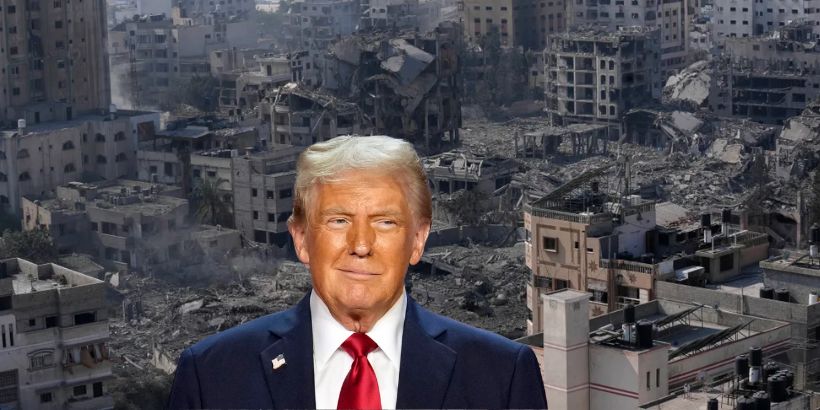
Netanyahu has presented himself as the Israeli leader best equipped to confront Tehran and has highlighted his close relationship with US President Donald Trump.
The prime minister has warned that Israel would respond forcefully to any new Iranian attack.
Trump Endorses Netanyahu
US President Donald Trump publicly backed Netanyahu ahead of the election.
Netanyahu has repeatedly highlighted that endorsement as evidence that he can maintain Israel’s strategic partnership with Washington during a period of regional instability.
Eisenkot has responded that the United States would cooperate with whichever leader Israeli voters choose.
Netanyahu Faces Ongoing Corruption Trial
The prime minister is also fighting an ongoing corruption case in Israel.
Netanyahu denies wrongdoing and has repeatedly argued that the charges against him are politically motivated.
His legal troubles remain another dividing line between supporters and opponents.
Judicial Reform Still Divides Voters
Netanyahu’s efforts to reshape Israel’s judiciary also continue to influence voter attitudes.
Supporters argue that elected governments need greater authority over unelected judges.
Opponents say the reforms threaten judicial independence and weaken democratic checks and balances.
Naftali Bennett and Yair Lapid Also in Contest
Former Prime Minister Naftali Bennett and former premier Yair Lapid are also important figures in the anti-Netanyahu camp.
They are contesting together under the Together political alliance, campaigning on national unity and political stability after years of conflict.
Avigdor Lieberman Could Influence Coalition Arithmetic
Former defence minister Avigdor Lieberman is another prominent Netanyahu critic.
His Israel Our Home party draws substantial support from Israel’s Russian-speaking and former Soviet immigrant communities.
If the race remains close, Lieberman and other smaller-party leaders could become important in coalition negotiations.
Yair Golan Represents Centre-Left Opposition
Former general Yair Golan leads the Democrats, a centre-left party built from elements of Israel’s Labour and Meretz political traditions.
He became widely known after helping rescue civilians during the October 7 attack.
Undecided Voters Could Swing Result
A significant portion of the electorate remained uncertain in the final stages of the campaign.
Research cited by Reuters suggested around 13% of voters had not decided how they would vote, making late shifts potentially important in a close contest.
Netanyahu Could Remain Caretaker in Stalemate
Even if Netanyahu’s bloc fails to win a majority, he may not immediately leave office.
If no alternative coalition can be formed, he could remain caretaker prime minister during prolonged negotiations or until another election is called.
Coalition Talks Could Take Weeks
Israel may therefore not know immediately who will form the next government.
Initial results and exit polls will show how the major parties performed, but negotiations between parties can continue for weeks or potentially longer.
Election Could Reshape Israel’s Foreign Relations
The result could have consequences beyond domestic politics.
Israel’s relations with Europe and other international partners have deteriorated amid criticism of the Gaza war and violence in the occupied West Bank.
A change in government could alter Israel’s diplomatic tone, although major security policies toward Iran and regional armed groups may remain broadly similar.
Political Future of Netanyahu at Stake
For Netanyahu, the election is one of the most consequential of his long political career.
A victory could extend his record-breaking tenure and reinforce the dominance of Israel’s nationalist right.
A defeat could open the way for a new political leadership after years in which Netanyahu has been the central figure in Israeli politics.
Polls Close at 10 PM
Voting will continue until 10:00 pm local time, after which Israeli television networks are expected to release exit polls.
Those projections will provide the first indication of whether Netanyahu’s bloc, Eisenkot’s opposition camp or smaller parties hold the advantage in the race to form Israel’s next government.
Source: Reuters, Associated Press, Israel Central Elections Committee
Supreme News Network