
New Delhi, November 27, 2026: Tuberculosis (TB) can return even after a patient has completed treatment and recovered, raising serious concerns about recurrent infections, drug resistance, poor nutrition and gaps in medical follow-up.
Doctors at the National Institute of Tuberculosis and Respiratory Diseases (NITRD) in Delhi have highlighted how some patients face repeated episodes of the disease, sometimes years after their initial diagnosis.
According to a report published by The Indian Express on November 27, specialists identified several explanations for recurrent TB, including bacteria surviving earlier treatment, fresh exposure to tuberculosis, weakened immunity and unsuccessful treatment.
The problem is especially significant in India, which continues to account for approximately one-quarter of the world’s tuberculosis burden.
Medical experts stress that successful treatment considerably reduces the risk of active disease, but it does not guarantee lifelong protection against another TB episode.
What Is Recurrent Tuberculosis?
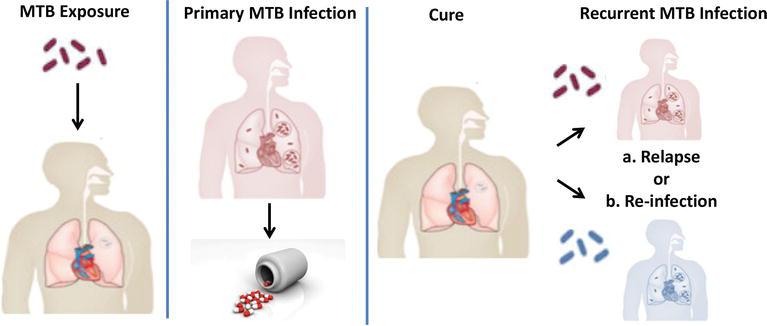
Recurrent tuberculosis occurs when a person develops active TB after a previous episode was successfully treated.
Tuberculosis is an infectious disease caused by the bacterium Mycobacterium tuberculosis.
It most commonly affects the lungs but can also involve the lymph nodes, bones, brain and other organs.
Many patients recover with an appropriate course of medication.
However, some develop the disease again months or years later.
Doctors distinguish between a relapse of the original infection and reinfection with a new strain of TB bacteria.
Determining the cause is important because it can influence treatment decisions and investigations.
Why Does Tuberculosis Return After Treatment?
Doctors identify several possible reasons for recurrent tuberculosis.
The original bacteria may survive treatment and multiply again after medication ends.
A person may also contract a new TB infection after exposure to someone with infectious pulmonary tuberculosis.
In some situations, previously controlled bacteria can become active when the immune system is weakened.
Treatment failure, inadequate medication exposure and drug-resistant bacteria are additional concerns.
These mechanisms are not identical, and recurrent symptoms do not automatically indicate that a patient failed to follow medical instructions.
A complete clinical assessment is needed to identify the likely cause.
Relapse: When the Original Infection Returns
A TB relapse occurs when bacteria responsible for the original infection survive treatment and later cause active disease again.
This can happen when treatment does not eliminate all viable bacteria.
Some patients may initially improve and show no symptoms before developing another episode.
Relapse is more likely in certain situations, including extensive lung disease and inadequate treatment response.
International treatment guidelines indicate that many relapses occur during the first six to twelve months after completing therapy.
However, recurrence can occur later.
Doctors may use molecular testing and previous laboratory records to distinguish relapse from reinfection.
Reinfection: A New Exposure to TB Bacteria
A person who has recovered from TB can become infected again.
This is called reinfection.
TB spreads through the air when someone with infectious TB of the lungs or throat releases bacteria while coughing, speaking or singing.
Transmission is more likely in indoor environments with poor ventilation, particularly during prolonged close contact.
Previous treatment does not provide complete immunity against future infection.
People living or working in places with frequent TB exposure may therefore remain vulnerable.
Reinfection can occur even when the first course of treatment was completed correctly.
Incomplete Treatment Can Increase Recurrence Risk
One important concern is the interruption of tuberculosis treatment.
TB medication must be taken for the prescribed duration, even when symptoms improve.
Some patients begin feeling better after a few months and stop taking their medicines.
However, improvement in symptoms does not necessarily mean that all bacteria have been eliminated.
Stopping treatment prematurely can allow the disease to persist or return.
It can also contribute to the emergence of drug resistance.
Doctors recommend discussing side effects, financial difficulties or missed doses with a healthcare professional rather than stopping medication independently.
Delhi Doctors Report Challenges With Treatment Follow-Up
The Indian Express documented patients receiving care at NITRD in Mehrauli, where doctors are treating people with recurrent tuberculosis.
One associate professor at the institute said that maintaining regular patient follow-up remains difficult.
The doctor explained that many returning patients have a history of incomplete treatment, while others face challenges related to living conditions and access to support.
A patient described in the report had resumed medication after a previous TB episode but discontinued treatment after experiencing improvement.
His condition subsequently worsened, requiring hospital care.
Such cases illustrate why consistent treatment support and follow-up are important.
However, not every recurrence results from interrupted treatment.
Drug-Resistant TB Can Make Treatment More Difficult
Drug-resistant tuberculosis develops when TB bacteria are resistant to one or more medicines used to treat the infection.
Resistance may already be present when a person becomes infected, or it can emerge during inadequate treatment.
Multidrug-resistant tuberculosis, commonly known as MDR-TB, involves resistance to at least isoniazid and rifampicin, two important first-line TB medicines.
Patients with drug-resistant disease may require different medication combinations and closer specialist supervision.
Treatment can be more complicated than treatment for drug-susceptible TB.
Doctors therefore recommend drug-susceptibility testing when recurrent TB is suspected.
Starting an old treatment regimen without proper testing may fail to address resistant bacteria.
Weakened Immunity May Increase TB Risk
The immune system plays an important role in controlling tuberculosis bacteria.
Some individuals carry TB bacteria without developing active disease, a condition known as latent or inactive TB infection.
When immune defences weaken, the risk of active disease increases.
HIV infection is an important risk factor because it affects the body’s ability to control TB.
Certain medical treatments that suppress the immune system can also increase susceptibility.
Patients with recurrent TB may therefore require evaluation for underlying conditions that affect immunity.
Identifying these factors can help doctors plan treatment and follow-up.
Diabetes and Malnutrition Are Important Risk Factors
Diabetes is associated with an increased risk of developing active tuberculosis.
Poorly controlled blood sugar can affect immune responses and complicate infection management.
Undernutrition is another important concern.
People who do not receive adequate nutrition may have reduced ability to resist infections.
TB itself can cause weight loss and poor appetite, creating a difficult cycle of illness and nutritional decline.
Doctors may therefore assess nutritional status, blood sugar and other health conditions during treatment.
Addressing these factors can support recovery, although nutrition alone cannot cure active tuberculosis.
Crowded Homes and Poor Ventilation Increase Exposure
Living conditions can influence the risk of TB transmission.
Crowded indoor spaces with inadequate ventilation can allow infectious particles to accumulate.
People sharing enclosed spaces with someone who has untreated infectious pulmonary TB may face increased exposure.
Poverty may also make it difficult to obtain nutritious food, travel for appointments or take time away from work.
Doctors at NITRD highlighted these social and environmental challenges during interviews with The Indian Express.
Improving ventilation, identifying infectious cases early and ensuring access to treatment can help reduce transmission.
TB is not spread through ordinary sharing of food, utensils or casual surface contact.
Research Shows TB Can Recur After Successful Treatment
Scientific studies have documented recurrent TB among patients previously considered successfully treated.
A review of 23 studies involving more than 75,000 patients reported recurrence in approximately 2.9% of participants.
A separate 2026 study following 1,076 TB survivors at six public clinics in Maharashtra found that approximately 7% developed TB again within 12 months.
The findings highlight the importance of monitoring patients after treatment completion.
However, the percentages come from different populations and study designs.
They should not be interpreted as the likelihood that every TB patient will experience recurrence.
Individual risk depends on treatment history, health conditions, exposure and other factors.
India Continues to Face a Major TB Burden
India carries one of the world’s largest burdens of tuberculosis.
According to figures from the World Health Organization’s Global Tuberculosis Report 2025, India had an estimated 27.1 lakh TB cases and more than 3 lakh deaths during 2024.
Globally, approximately 10.7 million people developed tuberculosis during that period.
The disease remains a major public health challenge despite improvements in diagnosis and treatment.
India had set an ambitious target of eliminating TB by 2025, but the country did not achieve that objective.
Recurrent disease adds to the challenge because patients may require additional testing, longer follow-up and further treatment.
Preventing avoidable recurrence remains an important component of tuberculosis control.
What Are the Warning Signs of Recurrent TB?
Symptoms of recurrent pulmonary tuberculosis may resemble those experienced during the first episode.
Common warning signs include:
- Persistent cough, particularly one lasting several weeks.
- Fever that continues or repeatedly returns.
- Night sweats.
- Unexplained weight loss.
- Reduced appetite and increasing fatigue.
- Chest discomfort or breathing difficulties.
- Coughing up blood in some cases.
These symptoms are not specific to tuberculosis and may occur with other respiratory conditions.
However, anyone previously treated for TB who develops these symptoms should seek prompt medical assessment.
Coughing up significant amounts of blood or experiencing severe breathing difficulties requires urgent medical attention.
How Do Doctors Diagnose Recurrent Tuberculosis?
Doctors begin by reviewing the patient’s symptoms, examination findings and previous treatment history.
The evaluation may include a chest X-ray and tests of sputum or other appropriate clinical samples.
Rapid molecular tests can help detect TB bacteria and identify resistance to certain medicines.
Culture and drug-susceptibility testing may provide additional information.
If earlier samples are available, specialised molecular methods can sometimes help distinguish relapse from infection with a different strain.
The choice of testing depends on the patient’s condition and the site of suspected disease.
An old abnormal chest X-ray alone does not necessarily confirm recurrent active TB because lung damage can remain after treatment.
Can TB Symptoms Continue Even After Cure?
Some people experience persistent respiratory symptoms after successful tuberculosis treatment.
This is known as post-tuberculosis lung disease.
The infection may leave lasting changes in the lungs, leading to breathlessness, chronic cough or reduced exercise tolerance.
These symptoms do not always mean that active TB has returned.
Other infections and respiratory conditions can also cause similar problems.
Doctors may recommend imaging, lung-function testing or additional investigations to identify the cause.
Patients should not automatically restart TB medicines based only on persistent cough or previous scan abnormalities.
Accurate diagnosis is essential.
Why Follow-Up After TB Treatment Matters
Completing the prescribed treatment course is a major milestone, but follow-up may still be necessary.
International clinical guidance recommends monitoring people at higher risk of recurrence for symptoms during the first 12 to 24 months after treatment.
India’s TB programme also includes post-treatment follow-up provisions for patients.
Follow-up visits can help identify recurrent symptoms, manage lung complications and assess underlying health problems.
Patients may also need support for nutrition, diabetes control and other medical conditions.
The frequency of assessments should follow the treating team’s recommendations.
Not every patient requires the same testing schedule.
How Can Patients Reduce the Risk of TB Returning?
Several steps can reduce preventable risks.
Complete prescribed treatment: Take medicines according to the treatment plan and do not stop when symptoms improve.
Attend follow-up appointments: Report new symptoms and complete recommended assessments.
Manage existing health conditions: Seek appropriate care for diabetes, HIV or other illnesses that influence immunity.
Maintain adequate nutrition: A balanced diet supports general health and recovery.
Improve ventilation: Fresh airflow can reduce the concentration of infectious particles indoors.
Avoid tobacco smoke: Smoking damages respiratory health and is associated with poorer TB outcomes.
Seek early testing after exposure: People with a history of TB should inform their doctor if they develop symptoms or have significant exposure to an infectious case.
These measures can lower risk but cannot guarantee that TB will never recur.
What Should Patients Do if TB Returns?
People who suspect recurrent tuberculosis should contact a healthcare professional or TB treatment centre promptly.
Doctors may need to repeat laboratory tests and assess whether the bacteria are resistant to medication.
The treatment regimen should be chosen according to current clinical findings and drug-susceptibility results.
Patients should not use leftover medicines or restart a previous regimen without medical advice.
It is also important to discuss treatment barriers openly.
Support with medication side effects, transport, nutrition and appointment scheduling may help patients complete therapy successfully.
TB Treatment and Support in India
India’s National Tuberculosis Elimination Programme provides TB diagnosis and treatment services through the public health system.
The programme includes testing, medication support and patient monitoring.
Directly observed treatment and other patient-centred adherence measures may be used according to individual needs.
Nutritional and financial support schemes are also available for eligible patients.
People with suspected TB can contact a nearby government healthcare facility or designated TB centre for assessment.
Early diagnosis helps patients receive appropriate treatment and reduces the risk of transmission.
Recurrent Tuberculosis: Key Highlights
Tuberculosis can return even after a patient has completed treatment.
Doctors distinguish between relapse of the original infection and reinfection with TB bacteria.
Incomplete treatment, drug resistance, weakened immunity and repeated exposure can increase the risk.
Diabetes, HIV, malnutrition and crowded living conditions may contribute to vulnerability.
A 2026 Maharashtra study reported recurrent TB in approximately 7% of 1,076 survivors within 12 months.
Doctors at Delhi’s NITRD have highlighted the importance of regular treatment and post-treatment follow-up.
Warning signs include persistent cough, fever, night sweats, weight loss and breathlessness.
Diagnostic testing, including molecular tests and drug-susceptibility testing, is important when recurrence is suspected.
Tuberculosis is treatable, but patients should complete their prescribed medication and seek medical care if symptoms return.
Source – The Indian Express, World Health Organization, Centers for Disease Control and Prevention, National Institute of Tuberculosis and Respiratory Diseases, National Tuberculosis Elimination Programme, The Lancet Global Health
Supreme News Network