

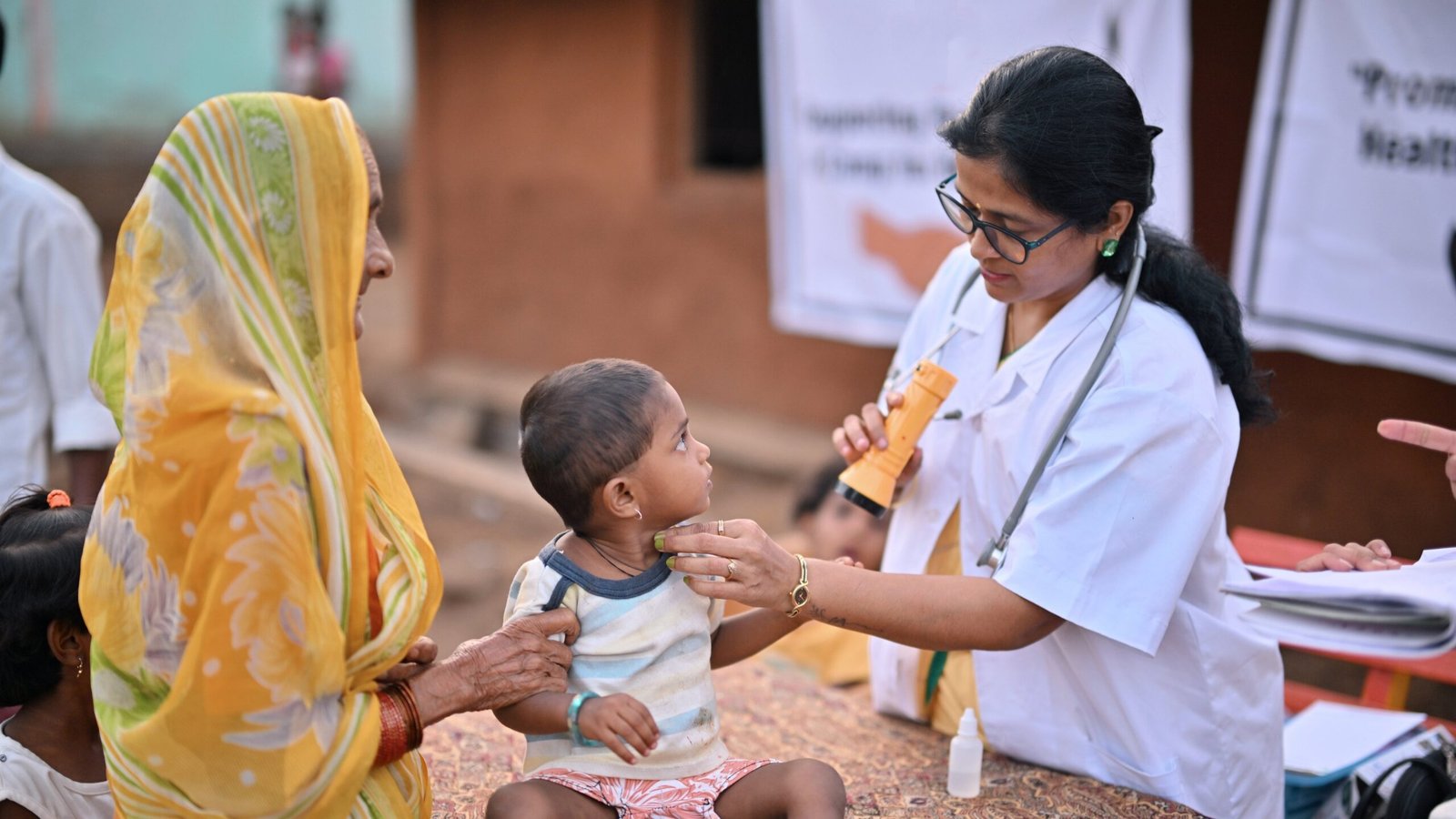
New Delhi, October 12, 2026: A new Lancet Commission has identified 17 potentially catastrophic threats to global health, ranging from obesity, antimicrobial resistance and mental-health challenges to climate change, pandemics, armed conflict and the malicious use of artificial intelligence. According to experts cited in the report, India is exposed to all 17 risks, highlighting the need for coordinated, long-term planning that extends beyond the healthcare sector.
Commission Warns of Interconnected Global Risks
The Commission argues that the most serious threats to human health over the coming decades will not emerge from diseases alone. Economic inequality, environmental disruption, technological risks, armed conflict and weaknesses in public-health systems could combine to worsen health outcomes worldwide.
The report calls attention to the interconnected nature of these challenges and the need to address their underlying causes rather than treating each threat in isolation.
India Faces All 17 Identified Threats
According to the analysis, India is exposed to every major risk identified by the Commission. These include obesity, antimicrobial resistance, high blood pressure, smoking, mental-health problems, childhood malnutrition, unhealthy ageing, income inequality and low educational attainment.
The assessment also covers wider threats such as pandemics, climate change, conventional and nuclear conflict, and the malicious use of AI. Together, these risks highlight the complexity of India’s public-health and development challenges.
Obesity and Malnutrition Create a Double Burden
India faces a complex nutritional challenge, with undernutrition continuing among parts of the population while overweight and obesity are also increasing.
Childhood and adolescent obesity have emerged as growing concerns, requiring greater attention to diet, physical activity and preventive healthcare. Addressing both inadequate nutrition and excess weight remains essential to improving long-term health outcomes.
Antimicrobial Resistance Remains a Major Concern
Antimicrobial resistance (AMR) occurs when bacteria and other disease-causing organisms develop resistance to medicines, making infections harder to treat.
India’s infectious-disease burden and patterns of antibiotic use make AMR an important public-health concern. Strengthening infection prevention, responsible antibiotic prescribing, surveillance and public awareness will be essential to limiting its impact.
Climate Change Could Intensify Existing Health Problems
Climate change can worsen heat-related illnesses, infectious diseases, air pollution, food insecurity and displacement. India faces particular challenges because of its large population, exposure to extreme heat and dependence on climate-sensitive agriculture and water systems.
Improving heat-action plans, healthcare preparedness, clean-air measures and climate-resilient infrastructure could help reduce the health consequences of environmental disruption.
Pandemics Remain a Long-Term Global Risk
Future pandemics remain among the major threats identified by the Commission. The experience of previous outbreaks has demonstrated how rapidly infectious diseases can affect healthcare systems, economies and everyday life.
The findings reinforce the importance of stronger disease surveillance, emergency-response capacity, vaccine development and international cooperation before another major outbreak occurs.
Malicious AI Use Adds a New Dimension to Health Risks
The malicious use of artificial intelligence is among the technology-related threats highlighted in the assessment. AI misuse could create risks if it contributes to biological threats, the spread of harmful misinformation, conflict or broader societal disruption.
The report places emerging technologies within the wider discussion of global health security, underscoring the importance of responsible development, appropriate safeguards and effective oversight.
Conventional and Nuclear Conflict Pose Severe Risks
The Commission also includes conventional warfare and nuclear conflict among threats with potentially far-reaching health consequences.
Beyond immediate deaths and injuries, conflict can disrupt food supplies, healthcare services, sanitation, vaccination programmes and essential infrastructure. The effects may continue long after fighting ends, placing additional pressure on affected populations and health systems.
More Than One Billion Healthy Life-Years Could Be at Stake
The Commission modelled plausible best- and worst-case scenarios for each of the identified threats. Its analysis indicated that every threat considered could potentially affect more than one billion disability-adjusted life years (DALYs) by 2100.
DALYs measure the loss of healthy life resulting from illness, disability or premature death. The projection illustrates the potential scale of the risks, rather than representing a prediction that the same level of loss will necessarily occur for every threat.
Soumya Swaminathan Calls for Long-Term Planning
Former WHO Chief Scientist Dr Soumya Swaminathan emphasised the importance of using data more effectively, strengthening long-term planning and ensuring India has a stronger voice in international negotiations.
Areas requiring attention include pandemic preparedness, public-health resilience and emerging technological risks. Coordinated planning could help policymakers identify vulnerabilities and prepare responses before crises escalate.
Report Calls for Action Beyond Healthcare
A central message of the Commission is that health threats cannot be addressed by healthcare systems alone. Decisions involving finance, education, climate policy, technology regulation, defence, food systems and social protection can all influence public-health outcomes.
Governments will therefore need coordinated strategies across departments and sectors to reduce risks and strengthen resilience over the coming decades.
India Faces Risks but Has Opportunities to Prepare
For India, the findings underline the importance of early action and sustained investment. Priorities include preventive healthcare, improved nutrition, responsible antibiotic use, climate resilience, pandemic preparedness and safeguards for emerging technologies.
While the identified threats present significant challenges, coordinated policies and stronger public institutions could help limit their impact and protect the population’s long-term health.
Source: The Lancet Commission, The Indian Express
Supreme News Network


Finally found a site that actually treats its VIP players well. The bonuses are generous and fair. Give vipphfunlogin a try.