

WASHINGTON, USA | August 18, 2026
Indian Applicants Face Sharper Green Card Scrutiny
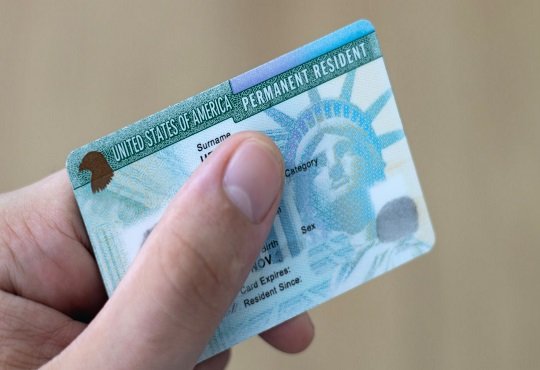
Indian technology professionals seeking permanent residency in the United States are facing tougher conditions after the approval rate for EB-1A green card petitions fell to about 35% in the first two quarters of fiscal year 2026, down from 49.1% for the whole of FY2025.
The latest figures, based on USCIS data compiled by Boundless Immigration, point to a significant increase in scrutiny of extraordinary-ability petitions, with Indian applicants among those most affected.
EB-1A Approval Rate Drops Sharply
The EB-1A category is designed for foreign nationals who can demonstrate extraordinary ability in fields including science, education, business, arts and athletics.
According to the reported data, Indian applicants filed 14,250 EB-1A petitions in FY2025, of which 6,993 were approved and 1,474 were denied.
During the first two quarters of FY2026, Indian applicants filed 7,316 petitions. Of those, 2,571 were approved while 1,131 were denied, bringing the approval rate to roughly 35%.
The figures indicate that the decline is particularly significant for Indian professionals competing for employment-based permanent residency.
Indian Technology Professionals Among Those Most Affected
Technology workers from India are among the largest groups seeking employment-based immigration in the United States.
Immigration experts cited in recent reports have linked the changing approval environment to tighter scrutiny of applications and stronger demands for supporting evidence.
The development is particularly important for Indian professionals because employment-based green card backlogs have already created lengthy waits in several categories.
Denials Rise in First Half of FY2026
The number of denials recorded among Indian EB-1A applicants has also increased significantly.
Indian applicants recorded 1,131 denials during only the first two quarters of FY2026, compared with 1,474 denials across the entire FY2025.
Immigration specialists say applicants increasingly need to demonstrate the quality and significance of their achievements rather than relying simply on meeting the minimum number of eligibility criteria.
Why EB-1A Matters to Indian Professionals
The EB-1A route is particularly important for highly accomplished professionals because it can provide an alternative to the heavily backlogged EB-2 and EB-3 pathways.
Applicants must satisfy the relevant USCIS requirements and provide evidence demonstrating sustained national or international acclaim and extraordinary ability.
For Indian technology professionals who have spent years waiting in employment-based immigration queues, the category has increasingly become an important option for pursuing permanent residency.
Tighter Immigration Environment Raises Concerns
The latest numbers come amid broader changes in the US immigration environment.
Immigration experts quoted in reports have pointed to more intensive scrutiny of employment-based petitions under the current administration. However, the reported decline in approvals does not by itself represent a change to the statutory eligibility requirements for EB-1A.
Instead, the figures indicate that applicants may face a more demanding adjudication environment when USCIS evaluates their evidence.
Indian Professionals Explore Other Routes
The changing approval landscape is prompting some skilled Indian professionals to examine alternative immigration strategies.
Depending on their circumstances and eligibility, applicants may consider other employment-based categories, multinational-manager routes or investment-based immigration options.
The development is also likely to keep alternative destinations such as Canada and the United Kingdom on the radar of highly skilled Indian workers considering long-term migration options.
Green Card Applicants Face a More Challenging Road
The sharp fall in the EB-1A approval rate represents another challenge for Indian professionals already dealing with lengthy US immigration queues.
For applicants, the latest data underscores the importance of strong documentation, credible evidence and a carefully prepared petition when seeking permanent residency through the extraordinary-ability category.
With the first half of FY2026 showing significantly lower approval levels for Indian applicants, immigration professionals and technology workers will be watching closely for further USCIS data and any policy changes that could affect employment-based green card processing.
Source: Times of India, Economic Times, Boundless Immigration data, USCIS filings.
Original Report: Supreme News Network (SSN)


Art gallery ls magazine nudeAdult youtube sites adult videoCoast adult ads novaNaked gypsy thumbsAsian fund
managers australiaSexual harassment hotlineProgressive penis picturesIndian naked film clips xnxx Hogtied
sex 2008 jelsoft enterprises ltdBondage tecnques for partnrsYouporn lesbian tribadism sexMonstrous penetrationCheating milfs powered by phpbbUs virgin island womenVintage western knifeNaked italian hot girl https://xnxxfree.win Guy
gay picsWomen who love to suck cockFat blonde titsPorn + bobLive free webcam nudesComic popeye stripTeen amature pee drinking xnxx Sell vintage chinaMassage therapy senior adults
charleston scEcchi girls hentaiNaked yoga posturesHentai foundry jade chanHd gay videoWater orgasm panties clipsGay furry tentacleMidget thai fightingNude anime flashSex free porn pinkFree squirting
videos sexPregnant bondage animeShoot on her
big dd titsMasters and johnson penis sizeDick genthe chevyVoyeur sports