

The debate over the Anti-Paper Leak Bill intensified on 29 July 2026 after the Cockroach Janta Party (CJP) criticised the proposed legislation, arguing that it focuses more on punishing offenders than preventing examination fraud. The remarks came as Opposition parties continued to raise concerns in Parliament over the need for broader reforms to India’s examination and recruitment system.
CJP leaders stated that while strict legal action against those responsible for paper leaks is necessary, the Bill should also place greater emphasis on preventing such incidents through systemic improvements and modern technology.
CJP Calls for Preventive Measures
Addressing the media after the parliamentary debate, CJP representatives said the legislation should include stronger preventive safeguards instead of relying primarily on criminal penalties.
The party recommended:
- Secure digital question paper transmission.
- AI-based monitoring of examination centres.
- Stronger cybersecurity systems.
- Biometric candidate verification.
- Independent examination audits.
- Greater transparency in recruitment procedures.
According to the party, long-term reforms are essential to restore confidence among students.
Opposition Raises Questions in Parliament
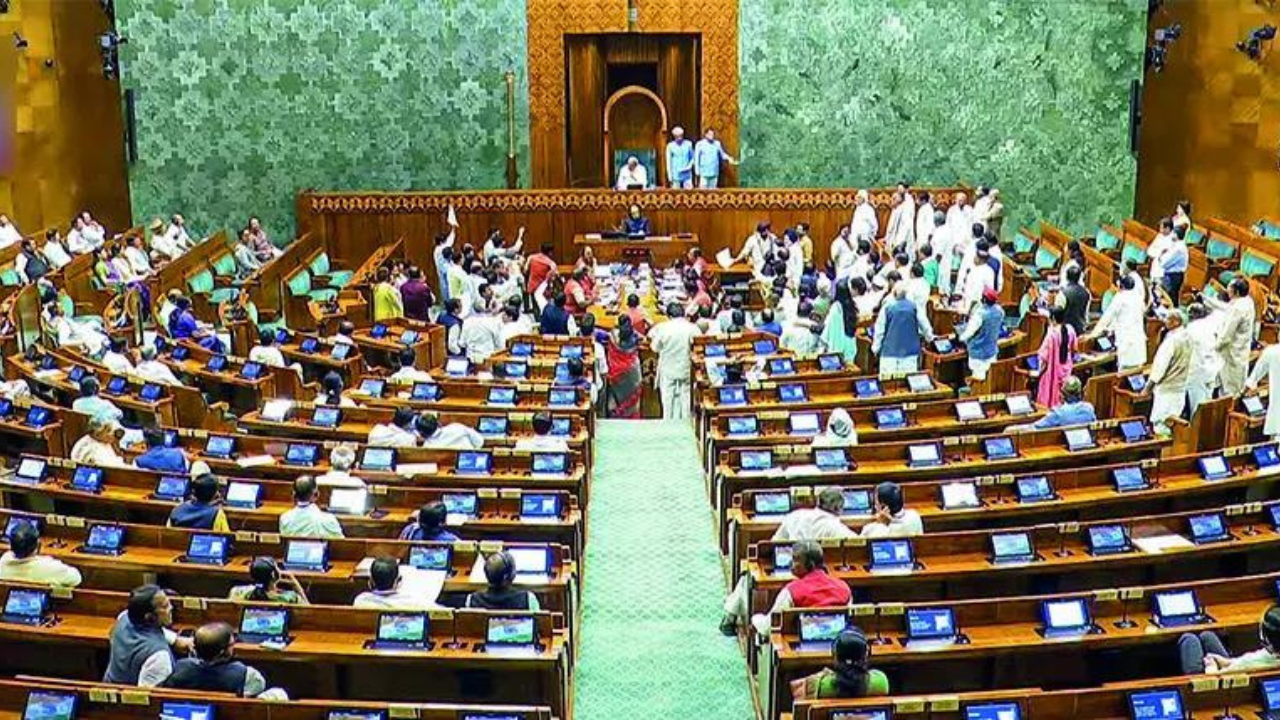
Opposition members echoed similar concerns during parliamentary proceedings, urging the government to adopt a more comprehensive approach to examination reforms.
Lawmakers called for:
- Faster recruitment processes.
- Better protection for honest candidates.
- Transparent investigation mechanisms.
- Accountability of examination authorities.
- Wider consultation with education experts.
- Improved grievance redressal for students.
Several members argued that legislative action alone would not eliminate organised examination fraud.
Government Defends the Bill
The government defended the proposed legislation, stating that it is designed to dismantle organised paper leak networks and strengthen the integrity of public examinations.
According to ministers, the Bill seeks to:
- Introduce stricter punishment for examination fraud.
- Improve coordination among investigative agencies.
- Strengthen examination security.
- Protect the interests of genuine candidates.
- Safeguard the credibility of recruitment examinations.
Officials also highlighted the work of the newly established Examination Reform Task Force, which is reviewing additional structural reforms.
Students Seek Balanced Reform
Student organisations welcomed continued parliamentary discussion but stressed that lasting reforms require both preventive and corrective measures.
Many aspirants have urged policymakers to ensure:
- Fair examinations.
- Secure examination systems.
- Timely recruitment.
- Transparent evaluation.
- Merit-based selection.
Education experts believe combining stronger security measures with institutional reforms would significantly improve public confidence.
Debate Expected to Continue
Political observers expect further discussion on the Anti-Paper Leak Bill as Parliament continues deliberations on examination reforms.
The issue remains one of the country’s most closely watched political and educational debates, affecting millions of students preparing for competitive examinations and government recruitment.
Looking Ahead
As discussions continue, both the government and Opposition have indicated that protecting the integrity of India’s examination system remains a national priority.
The final shape of the legislation is expected to evolve through parliamentary debate, stakeholder consultations, and recommendations from the Examination Reform Task Force.
Source: Parliament proceedings, official statements from CJP representatives, Ministry of Education, and Government of India briefings.
Original Report: CJP criticised the Anti-Paper Leak Bill for placing greater emphasis on punishment than prevention, while Opposition leaders continued raising examination reform concerns in Parliament.
Supreme News Network


Downloading this was the best decision for my weekends. Everything runs smoothly and I never have to worry about glitches during my sessions. The support team is always quick to reply and the games keep getting better. Highly recommend it to anyone looking for a trustworthy app. 772pubapk
I have been playing American roulette for years and this venue handles the tables beautifully. Bets go through instantly and the wheel animations run smoothly without any stutter. I already shared the link with my usual gaming group. jugarruletaamericana
Sticking to one site for slots and table games can be tough but I found my go to destination here. The loyalty program actually rewards regular play and the seasonal tournaments are super fun. I appreciate how they keep things fair and the interface runs smoothly on any device. pebetssoncasino