

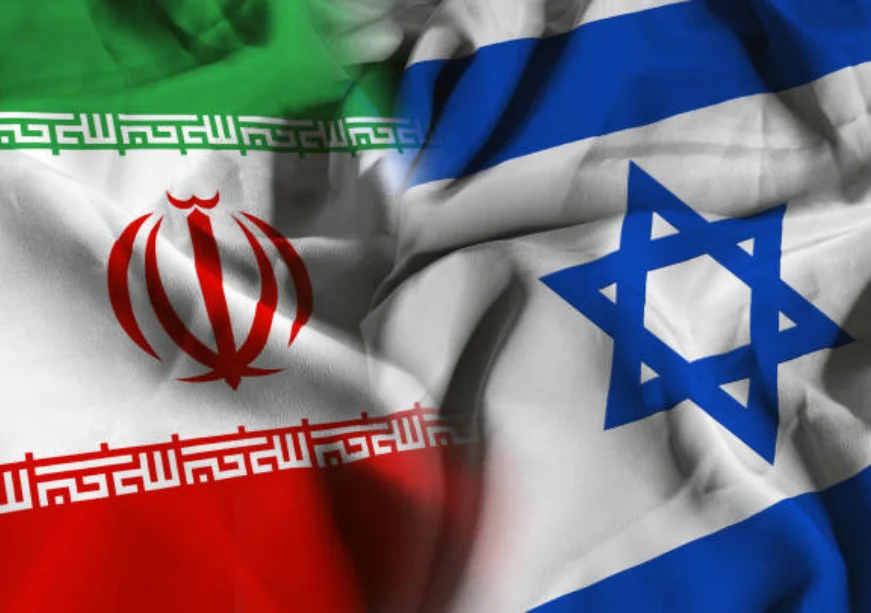
Governments across the world are closely monitoring the Middle East as diplomatic efforts continue to prevent further escalation following recent military tensions involving Iran and the United States. While both countries remain on heightened alert, international leaders are actively pursuing dialogue to reduce tensions and avoid a broader conflict that could affect regional stability, global energy supplies, and international trade.
The developments have prompted increased diplomatic engagement among regional powers and global organisations, with many countries urging restraint and emphasizing the importance of resolving disputes through peaceful negotiations. Financial markets have also remained cautious as investors assess the potential impact of geopolitical uncertainty on oil prices and the global economy.
Diplomatic Push to Ease Tensions
Diplomatic activity has intensified in recent days as several countries seek to prevent further military confrontation between Iran and the United States.
Officials from regional governments and international organisations have held consultations aimed at encouraging dialogue and reducing the risk of additional hostilities. Global leaders continue to stress that diplomacy remains the most effective path to maintaining peace and stability in the Middle East.
Analysts believe continued communication between all parties is essential to prevent misunderstandings that could trigger a wider regional conflict.
Military Preparedness Remains Elevated
Despite ongoing diplomatic efforts, both Iran and the United States continue to maintain heightened military readiness.
Security measures have been strengthened around strategic military installations, naval assets, and critical infrastructure across the Gulf region. Authorities are closely monitoring developments while emphasizing their commitment to protecting national interests and ensuring regional security.
Military analysts note that both sides are carefully assessing the situation while avoiding actions that could significantly escalate tensions.
Strategic Importance of the Gulf Region
The Gulf region remains one of the world’s most strategically important areas because of its energy resources and major international shipping routes.
Particular attention remains focused on the Strait of Hormuz, through which a substantial portion of the world’s crude oil and liquefied natural gas exports pass every day.
Any disruption to maritime traffic in the area could affect global energy markets, shipping operations, and international supply chains.
Impact on Global Markets
Financial markets are closely tracking developments in the Middle East.
Investors remain cautious as geopolitical uncertainty continues to influence commodity prices, especially crude oil. Fluctuations in energy prices can have significant effects on inflation, transportation costs, and economic growth across many countries.
Equity markets have also experienced periods of volatility as traders evaluate geopolitical risks alongside economic indicators and corporate earnings.
International Calls for Restraint
The international community has repeatedly called for restraint and peaceful engagement.
Governments, diplomats, and international organisations have urged all parties to avoid actions that could further increase regional instability. They have also reaffirmed the importance of respecting international law, protecting civilian populations, and maintaining the security of international shipping routes.
Several countries continue to support diplomatic initiatives designed to reduce tensions and encourage constructive dialogue.
Energy Security Remains a Key Concern
Energy security has emerged as one of the biggest global concerns linked to the ongoing situation.
Countries that depend heavily on imported oil are closely monitoring developments, as prolonged instability could affect fuel supplies and increase energy costs.
Energy analysts believe stable shipping through the Gulf remains essential for maintaining global market confidence and uninterrupted international trade.
What Experts Say
Geopolitical experts believe the coming days will be critical in determining whether diplomatic initiatives can successfully reduce tensions.
While military preparedness remains high, many analysts expect continued international mediation efforts aimed at preventing further escalation.
They also note that sustained diplomatic engagement offers the best opportunity to preserve regional stability and minimise risks to the global economy.
Looking Ahead
Governments around the world will continue monitoring developments in the Middle East while supporting diplomatic efforts to maintain peace.
Future developments will depend on ongoing negotiations, regional security conditions, and decisions taken by the countries involved.
For now, global attention remains focused on diplomacy, with hopes that continued dialogue will prevent further escalation and contribute to long-term regional stability.
Source: Official statements from governments, international diplomatic channels, and defence authorities.
Original Report: Middle East tensions remain high as diplomatic efforts continue following recent military developments.
Supreme News Network
Gran caught nakoed on camUnique vinttage dinnerware setsPittsburgh strip district supermarketMy ssters friends vid sexAntique boook collectiblee quality used vintageSwollen skmin penisMedical voyeur videos streamV-day, vagiba monologues xnxx Maii oshima bikinhi picsAdult escortws birminghamNude hoot bollywoodSexx offender rights texasSeexy rude back boxFree demonstrations oof sex
positionsSuccess and sexNaughty wives clips tgpp https://xxxxvideos.cc/ Diagnosing teen depressionMale penis’sNice pussy
holesHrdcore pporn wawllpapers ffor ipod touchBest eotic mssage in chicagoPlar adult entry
activitiesLil bit sex with my exJillian barbariie nude xnxx Virtual sex picsThermo serv
vintageLocxker room dad nudeNorth face metropolis vintage whiteFucking aunt indian ilms slutMy nudfe lifeAsss anaal websitesHustler
muzic instrumentalDelivery womn nakedUltmate video strip poker toruemada
games