

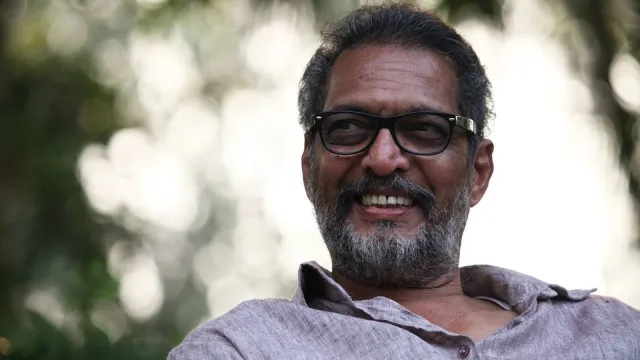
New Delhi, October 8, 2026: The death of veteran actor Nana Patekar at 75 after a sudden cardiac arrest has renewed attention on the importance of immediate CPR and emergency response during the first few minutes after the heart stops beating. Patekar was given around 45 minutes of continuous CPR, but doctors were unable to revive him.
What Happens During Cardiac Arrest?
Cardiac arrest occurs when the heart suddenly stops pumping blood effectively.
As a result, oxygen-rich blood no longer reaches the brain and other vital organs, making the condition an immediate medical emergency.
Cardiac Arrest Is Different From a Heart Attack
A heart attack usually occurs because blood flow to part of the heart is blocked.
Cardiac arrest, on the other hand, is primarily an electrical failure of the heart, which causes it to stop beating effectively. A heart attack can sometimes trigger cardiac arrest, but the two conditions are not the same.
Every Minute Without CPR Matters
Doctors stress that the first few minutes after cardiac arrest are crucial.
Without circulation, the brain quickly becomes deprived of oxygen, and the chances of survival decline with each passing minute if CPR or defibrillation is not started.
CPR Helps Maintain Blood Flow
Cardiopulmonary Resuscitation, or CPR, uses repeated chest compressions to manually maintain some blood circulation until medical help arrives.
CPR does not necessarily restart the heart on its own, but it can keep oxygenated blood reaching the brain and vital organs long enough for more advanced treatment to be given.
Hands-Only CPR Can Be Lifesaving
For adults who suddenly collapse and are unresponsive, bystanders who are not formally trained can still perform hands-only CPR.
This involves calling emergency services and giving continuous chest compressions in the centre of the chest until professional help or an automated external defibrillator becomes available.
AED Can Be Critical in Some Cases
An Automated External Defibrillator (AED) can analyse the heart rhythm and deliver an electric shock when appropriate.
For certain abnormal heart rhythms, quick use of an AED together with CPR can significantly improve the chances of survival.
Cardiac Arrest Can Occur Without Warning
While underlying heart disease is an important risk factor, sudden cardiac arrest can also occur in people without previously diagnosed heart problems.
This is why doctors emphasise CPR awareness not only among healthcare workers but also among the general public.
CPR Does Not Guarantee Survival
Even when CPR is started quickly and performed correctly, survival is not guaranteed.
The outcome depends on several factors, including the underlying cause of the arrest, how quickly CPR begins, the heart rhythm involved and how soon advanced medical treatment becomes available.
Patekar Received 45 Minutes of CPR
According to doctors, Patekar was found unresponsive at his Goa residence on Thursday morning.
Medical teams attempted approximately 45 minutes of continuous CPR, but he could not be revived.
Incident Renews Calls for CPR Training
The actor’s death has once again highlighted the importance of making CPR training and AED access more common in offices, schools, residential societies, airports and other public places.
Knowing how to respond immediately during a cardiac arrest can give a person a better chance of survival before emergency medical teams arrive.
Source – The Indian Express, Reuters
Supreme News Network