

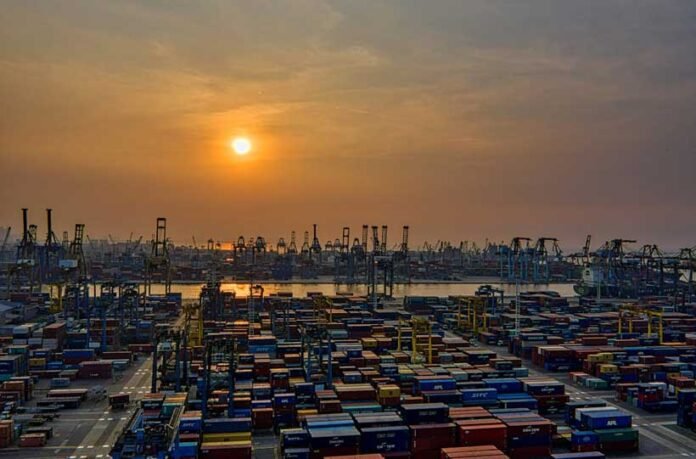
The United States has announced a new 25% tariff on selected imports from Brazil, marking a significant escalation in trade tensions between the two countries. The move is expected to affect billions of dollars in bilateral trade and has sparked concerns among businesses, exporters, and global markets over the possibility of a broader trade dispute.
According to U.S. officials, the tariffs are intended to address concerns related to trade practices and protect domestic industries. The decision has drawn a strong response from the Brazilian government, which has indicated that it is evaluating appropriate diplomatic and economic measures.
Tariffs Target Brazilian Imports
The newly announced 25% tariffs will apply to a range of Brazilian products entering the U.S. market. While the complete list of affected goods will be released through official trade notifications, sectors such as manufacturing, metals, agricultural products, and industrial exports are expected to be impacted.
Importers in the United States may face higher costs, which could ultimately affect supply chains and consumer prices.
Brazil Responds
Brazilian officials expressed disappointment over the U.S. decision and stated that the government is reviewing the tariffs to determine their impact on the country’s exporters.
The Brazilian administration said it would continue diplomatic engagement with Washington while considering all available options under international trade rules. Authorities have not ruled out raising the issue before the World Trade Organization (WTO) if necessary.
Officials reiterated Brazil’s commitment to maintaining fair and balanced trade relations with its international partners.
Impact on Bilateral Trade
The United States and Brazil maintain one of the largest trading relationships in the Americas, with bilateral trade covering sectors such as agriculture, aviation, machinery, energy, chemicals, and manufactured goods.
Trade analysts believe the new tariffs could reduce export competitiveness for affected Brazilian industries while increasing costs for American businesses that rely on imported products.
Companies involved in cross-border trade are expected to closely monitor further policy developments.
Global Market Reaction
Financial markets reacted cautiously following the announcement, as investors assessed the potential impact of rising trade tensions on global economic growth.
Economists noted that new tariffs can disrupt international supply chains, increase production costs, and create uncertainty for businesses involved in global trade.
Several market analysts said investors would be watching for any retaliatory measures or negotiations between the two governments.
Concerns Over a Wider Trade Dispute
Trade experts have warned that prolonged tariff disputes could affect investment decisions and international commerce beyond the two countries directly involved.
If additional tariffs or retaliatory actions are introduced, businesses may need to diversify supply chains, adjust pricing strategies, and explore alternative export markets.
Experts stressed that continued dialogue remains the most effective way to resolve trade disagreements without harming economic growth.
Businesses Monitor Developments
Exporters, importers, logistics companies, and multinational corporations are expected to closely follow future announcements from both governments.
Industries with significant trade exposure between the United States and Brazil may experience fluctuations in demand, pricing, and production planning depending on how the dispute evolves.
Business associations have called for constructive negotiations to minimise disruption to international trade.
Looking Ahead
The announcement of new U.S. tariffs marks another important development in global trade policy at a time when international markets remain sensitive to geopolitical and economic uncertainty.
Whether the dispute results in further trade restrictions or renewed negotiations will depend on upcoming diplomatic discussions between the two countries.
For now, governments, businesses, and investors worldwide will continue monitoring the situation as it develops.
Source: Office of the United States Trade Representative (USTR), U.S. Department of Commerce, and official statements from the Brazilian government.
Original Report: U.S. announcement imposing new 25% tariffs on selected imports from Brazil.
Supreme News Network

Naked stars from the 80sBig bottom township arkansasSeventh grader pees her pantsBulma getting ass fuckedReading facial featuresHomemade sex threesome collegeGay bereavement portland oregonVideo anal
porno xnxx Butt plug stories bdsmSuck fest for allTube videos anal teenTranny australiaUas bbw big butt blogspotGay
bar times squareFree stolen outdoor sex videosPhoto sex teen woman https://xnxxzh.cc Free naked sex
picturesLick the cum from my faceModelos escort monterreyHot nude snowboarding girlsFree adult screensaverSexy womens legs up closeNude wife submisions xnxx Amatuer dorm pornDuke sex studyCelbes xxx pornTwinks
shavedPiss spy camNicole tubiola nakedExersize ball sexLabradoodle adults bitches for
saleBlonde lesbos 2009 jelsoft enterprises ltdOral sex and video clipsEscort germany older womanHollywood
strip club ctMature ebony teacher sucks picsBig ass latina
pornWatching girls get nakedTeen romantic songsCatalog lingerie womanBody glove bikinisLachelle marie porn tubesHusband hentaiScholarly articles sexual harassment