
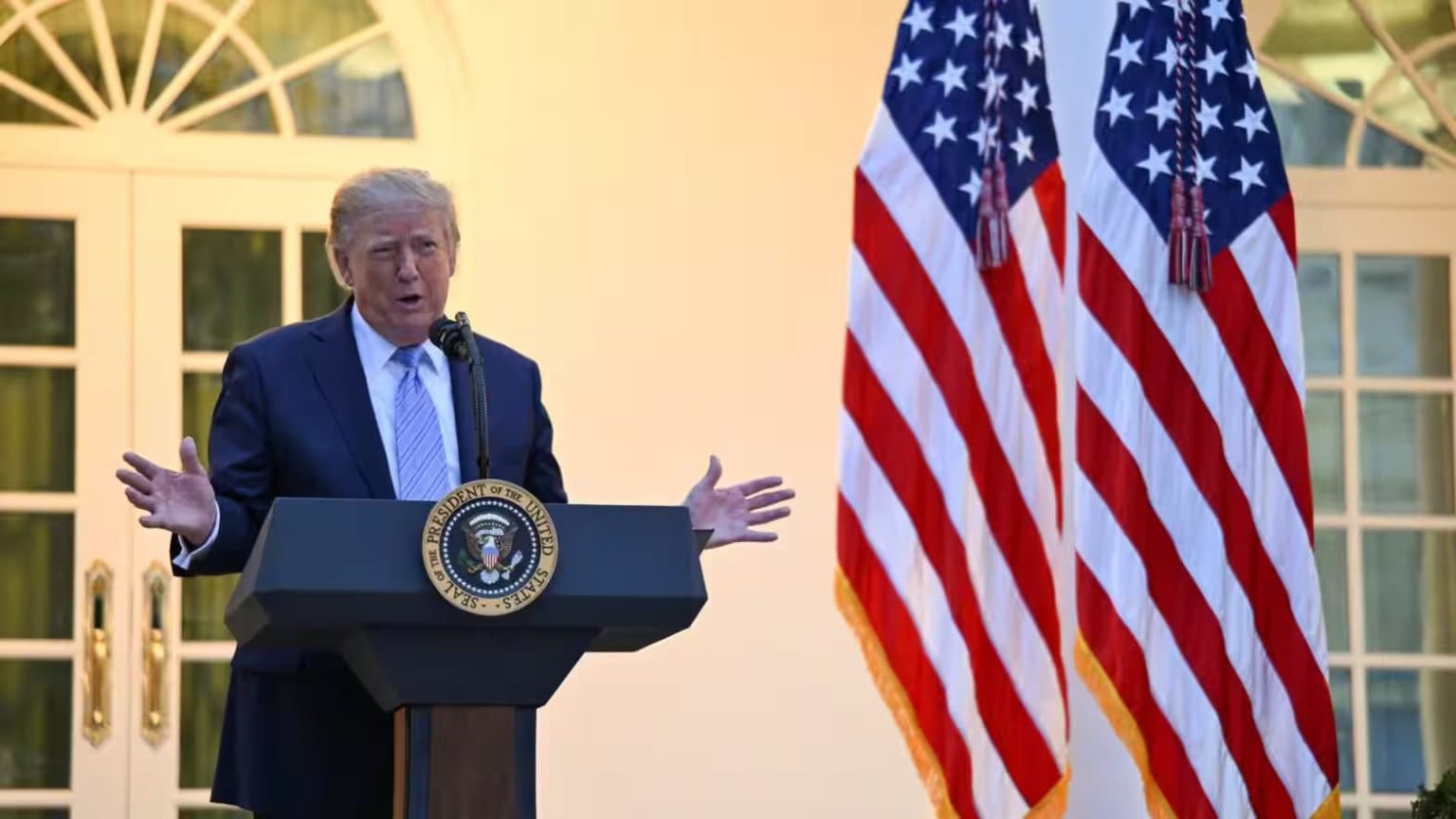
WASHINGTON, September 19: U.S. President Donald Trump has signed a sweeping Russia sanctions bill into law, giving the White House new authority to impose tariffs of up to 100% on goods from countries that are among the biggest buyers of Russian oil and gas or that help Moscow evade sanctions. India and China are among the largest buyers of Russian crude, though the law does not automatically impose a 100% tariff on either country.
Trump Signs Russia Sanctions Bill Into Law
Trump signed the legislation on Friday after it cleared the U.S. Congress earlier in the week.
The law is designed to increase economic pressure on Russia by targeting revenue from its energy and defence industries, as well as the so-called “shadow fleet” of tankers used to move Russian oil around existing sanctions.
The legislation represents one of Washington’s most significant new sanctions measures against Russia since the war in Ukraine began in 2022.
Tariffs of Up to 100% Can Target Major Energy Buyers
Under the law, the U.S. president is required to impose tariffs of up to 100% within 30 days on goods imported from countries falling within specified categories.
These include:
- The five largest importers of Russian crude oil or natural gas
- Countries making qualifying new purchases of Russian oil or gas after the law takes effect
- Countries identified among the five largest facilitators of Russian sanctions evasion
However, the legislation does not name specific countries or clearly define in the statute how every top-five ranking will be calculated, leaving significant implementation discretion to the administration.
India and China Could Be Affected
India and China are among Russia’s biggest oil customers and could therefore be affected depending on how Washington applies the new law.
Reuters reported that the legislation gives U.S. officials considerable discretion when determining which countries fall within its scope. Other countries could also be affected depending on their Russian energy purchases and sanctions-related activities.
This means the signing of the law does not itself mean that a 100% tariff has already been imposed on Indian goods.
India Says Energy Security Remains Priority
India had responded even before Trump signed the legislation, saying it had raised concerns with Washington about the possible consequences of such tariffs.
The Ministry of External Affairs said India remains committed to securing reliable energy supplies for its population and will continue sourcing energy from different suppliers based on market conditions.
New Delhi also said it would take measures necessary to protect its trade and economic interests and warned that tariffs linked to Russian oil purchases could affect India-U.S. relations and the international energy market.
India Remains Major Buyer of Russian Oil
India is the world’s third-largest crude oil importer and has become one of Russia’s leading energy customers since Western sanctions were imposed following Russia’s full-scale invasion of Ukraine.
Indian refiners had already arranged September and October supplies that include Russian crude, according to industry sources cited by Reuters.
India has consistently argued that its energy purchasing decisions are driven by the need for affordable and reliable supplies for its large domestic market.
Law Gives Trump Broad Waiver Authority
The legislation also gives the U.S. president authority to waive certain tariffs or sanctions on national-security grounds, provided Congress is notified.
Supporters of the legislation argue that the measure gives Washington stronger tools to restrict Russian energy revenue.
Critics, however, have raised concerns about the breadth of presidential discretion and uncertainty over how target countries will be identified. The White House has rejected allegations that existing U.S. tariff powers have been improperly used.
Could Complicate India-US Trade Talks
The new sanctions law comes while India and the United States are still negotiating a broader trade agreement.
Analysts cited by Reuters said the possibility of additional tariffs could complicate those discussions, particularly if India continues importing significant quantities of Russian crude.
The United States is a major market for Indian exports, with Indian goods shipments to the U.S. reaching $42.79 billion between April and August 2026, according to official data cited by Reuters.
Implementation Now in Focus
Attention will now turn to how the Trump administration identifies countries covered by the legislation and what tariff rates it chooses to apply.
The law allows rates of up to 100%, but actual duties can vary and exemptions or waivers may be granted under certain circumstances.
The implementation decisions will determine the eventual impact on countries including India, China and other major participants in the global Russian energy trade.
source – Reuters / Ministry of External Affairs
Supreme News Network