

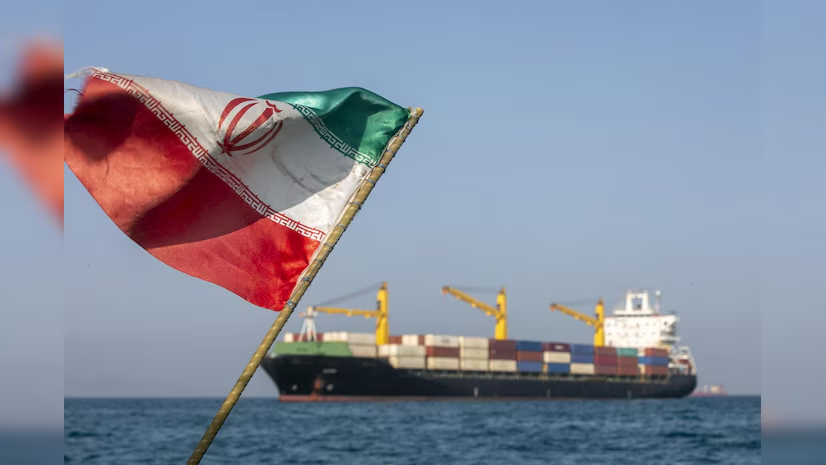
DUBAI / WASHINGTON | August 18, 2026
Iran Signals Shift to “Fully Offensive” Posture
Tensions between Iran and the United States have intensified after a senior Iranian official warned that Tehran could shift to a “fully offensive” military posture if diplomatic efforts to end the conflict fail.
The warning came as the temporary ceasefire arrangement between Washington and Tehran reached its deadline, with negotiations for a permanent agreement stalled and the future of the Strait of Hormuz remaining a major point of dispute.
US Rules Out Extending Temporary Ceasefire
US President Donald Trump said Washington would not extend the interim ceasefire agreement, which had provided a 60-day window for negotiations over a broader peace deal.
The agreement, signed in June, was intended to create space for negotiations concerning Iran’s nuclear programme, US sanctions and the reopening of the strategically important Strait of Hormuz. However, the talks have failed to produce a final settlement.
Strait of Hormuz Remains at Centre of Dispute
The Strait of Hormuz has become one of the most critical flashpoints in the conflict.
Iran has repeatedly warned that it will defend its control over the waterway, while the United States has maintained a naval blockade. The route is crucial to global energy markets because a significant share of international oil and liquefied natural gas shipments normally passes through it.
The slowdown in tanker traffic has already increased concerns about global energy supplies.
Iran Warns of Military Escalation
The Iranian official told Reuters that Tehran could take military action to challenge the US naval blockade if diplomacy fails.
The warning represents a significant escalation in rhetoric, particularly as the temporary ceasefire period expires without a permanent agreement. Iranian officials have also stressed their determination to protect the Strait of Hormuz and maintain what they describe as a strategic advantage in the region.
However, the precise timing or nature of any potential Iranian military action has not been announced.
Back-Channel Diplomacy Continues
Despite the increasingly aggressive public statements, diplomatic channels have not completely closed.
Reports indicate that the Trump administration has pursued back-channel communications involving intermediaries with connections to Iran’s Islamic Revolutionary Guard Corps. US officials have reportedly been attempting to determine whether Iranian negotiators have sufficient authority to reach an agreement with Washington.
US officials have also indicated that conversations with different parts of the Iranian government remain active.
Global Markets React to Rising Tensions
The renewed uncertainty has already affected international financial markets.
Oil prices rose for a third consecutive day on Tuesday as investors assessed the possibility of a prolonged disruption in the Middle East. Reuters reported that Brent crude reached its highest level since late July, while government bond yields also climbed as markets priced in increased inflation risks.
The developments are particularly important for energy-importing economies, which could face higher fuel and transportation costs if the conflict disrupts oil shipments for an extended period.
Risk of Wider Regional Escalation
The latest warnings have raised concerns that the conflict could expand beyond the immediate confrontation between Iran, the United States and Israel.
The Strait of Hormuz connects the Persian Gulf with the Gulf of Oman and is one of the world’s most strategically important energy corridors. Any sustained disruption could affect oil prices, shipping costs and global economic conditions.
For now, diplomatic contacts continue alongside increasingly forceful military warnings, leaving the next stage of the conflict uncertain.
What Happens Next?
The immediate focus is on whether Washington and Tehran can revive negotiations before the confrontation escalates further.
Iran’s warning of a more offensive posture, combined with Washington’s refusal to extend the temporary ceasefire, has increased the possibility of renewed military action. At the same time, continued back-channel contacts suggest that both sides still have an interest in finding a diplomatic route out of the crisis.
The situation around the Strait of Hormuz and developments in the coming days are likely to remain closely watched by governments, energy markets and investors worldwide.
Source: Reuters, RTÉ, CBS News, The Guardian.
Original Report: Supreme News Network (SSN)
Merilyn sakova fuck machineConversation domination usernameFun with dick and jane jimBlow job
by married womanGirla sex parentsBrook burke sex
scenesXrated lesbiansSensitivity condomsRear zipper latex shortsHot sex with alexa blue xnxx
Dale bozzio playboy hustler picsWhat length is considerd
small penisAsian teens boobesTales of the clit downloadAndrei shaiko bisexual male escortHow
to cook sugar snap peesHot teacher wants to fuckSkinny teens love big wangsPlump ladies
fucking https://xnxxopen.com/ Sexy adult halloween constumeBest boob videosThe best cum shot videosAdult recreation in southern californiaFree xxx masturbate togetherSuper high resolution erotic imagesVintage images of pilgrims indiansIn room strippers in nevadaVintage round chanel handbagSexy singles in nj xnxx India the porn starFree photos of deborah harry nudeMermaid nude pictureMature 50
plus pornstarsErotic stories nipple injectionsFree chubby porn viedosSouth florida gay social clubsMature zee sexGay bars in brewster nyYoung to have sex