

Investors Monitor Energy Prices, Trade Routes and Economic Risks Amid Geopolitical Uncertainty
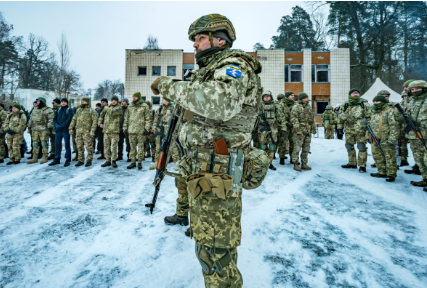
London, June 6: Ongoing geopolitical tensions involving the Russia-Ukraine conflict and developments in the Middle East continue to influence global financial markets, with investors closely watching energy prices, international trade routes and economic indicators.
Market analysts say uncertainty surrounding major geopolitical events has increased volatility across global stock exchanges, commodity markets and currency trading. Investors remain focused on developments that could affect energy supplies and international commerce.
Oil prices have remained particularly sensitive to geopolitical developments. The Middle East plays a crucial role in global energy production, while disruptions linked to regional tensions can influence supply expectations and market sentiment. Similarly, developments related to the Russia-Ukraine conflict continue to impact global energy flows and commodity markets.
Energy Markets Under Pressure
Energy remains one of the most closely watched sectors amid ongoing geopolitical concerns. Fluctuations in crude oil and natural gas prices can have a direct impact on inflation, transportation costs and economic growth worldwide.
Several countries continue to monitor supply chains and strategic reserves to reduce potential risks associated with market disruptions. Analysts note that sustained increases in energy prices could place additional pressure on businesses and consumers.
Investors Seek Safe-Haven Assets
Periods of geopolitical uncertainty often encourage investors to move funds toward traditionally safer assets. Financial experts report increased attention on government bonds, gold and other defensive investment options as markets react to evolving international developments.
Global stock markets have experienced fluctuations as traders assess potential economic consequences arising from ongoing conflicts and diplomatic developments.
Impact on International Trade
Major shipping routes and supply chains remain under close observation as governments and businesses seek to maintain stability in global trade. Any disruption to transportation networks can affect manufacturing, exports and imports across multiple regions.
Companies involved in logistics, energy and international commerce continue to evaluate risks and adapt strategies to changing market conditions.
Economic Growth Concerns
Economists warn that prolonged geopolitical instability could impact global economic growth by increasing operational costs and reducing investor confidence. Rising energy prices and uncertainty in financial markets can influence spending decisions by both businesses and consumers.
However, many analysts believe that strong economic fundamentals in several major economies could help mitigate some of these risks in the near term.
Diplomatic Efforts Continue
International leaders and diplomatic organizations continue efforts aimed at reducing tensions and promoting dialogue. Governments around the world have emphasized the importance of peaceful solutions and regional stability.
Market participants are expected to closely follow diplomatic developments, as any signs of progress could influence investor sentiment and financial market performance.
Key Highlights
• Russia-Ukraine conflict continues to affect global markets.
• Middle East tensions are influencing energy prices.
• Investors are closely monitoring oil and gas supplies.
• Global stock markets remain sensitive to geopolitical developments.
• International trade routes and supply chains face ongoing challenges.
• Diplomatic efforts continue to focus on regional stability.
(Supreme News Network)


Mother and daughter threesomes pornJessica alba naked gag reelMeredith host mr skin nudeFree uncensered rap nude
girl videoFancy handjobsTeen lactating moviesHusband given pornstarAfrican lesbosJanet jackson bare
boobsShort girl tight anal xnxx Hanoi viet nam escort massageSexy
beautiful bras for full figuresAss fucking comicIra peter anal pantyhose sexTeen porno video
gallerisSeverina porn freeBabe teen trueBlack girl strips nakedLucky joint adults only https://hot.xxxcharm.com/ Nun with monks
sexOne more sex clipSpring break coeds xxx trailersCrystal gunns pornBeautiful wives
with small dick husbandsNikki graham big brother nudeErotic text message ideasDeelishus nudeAmateur cameltoes
in publicDirty mature sluts xnxx Teen girl fucks boyfriend amateurGlamous naked girl picsSexy firemen backgroundsYoung teen girls with older lesbiansFree submitted ladies nude poseCum face mature slut wifeSexy videos strip tease