

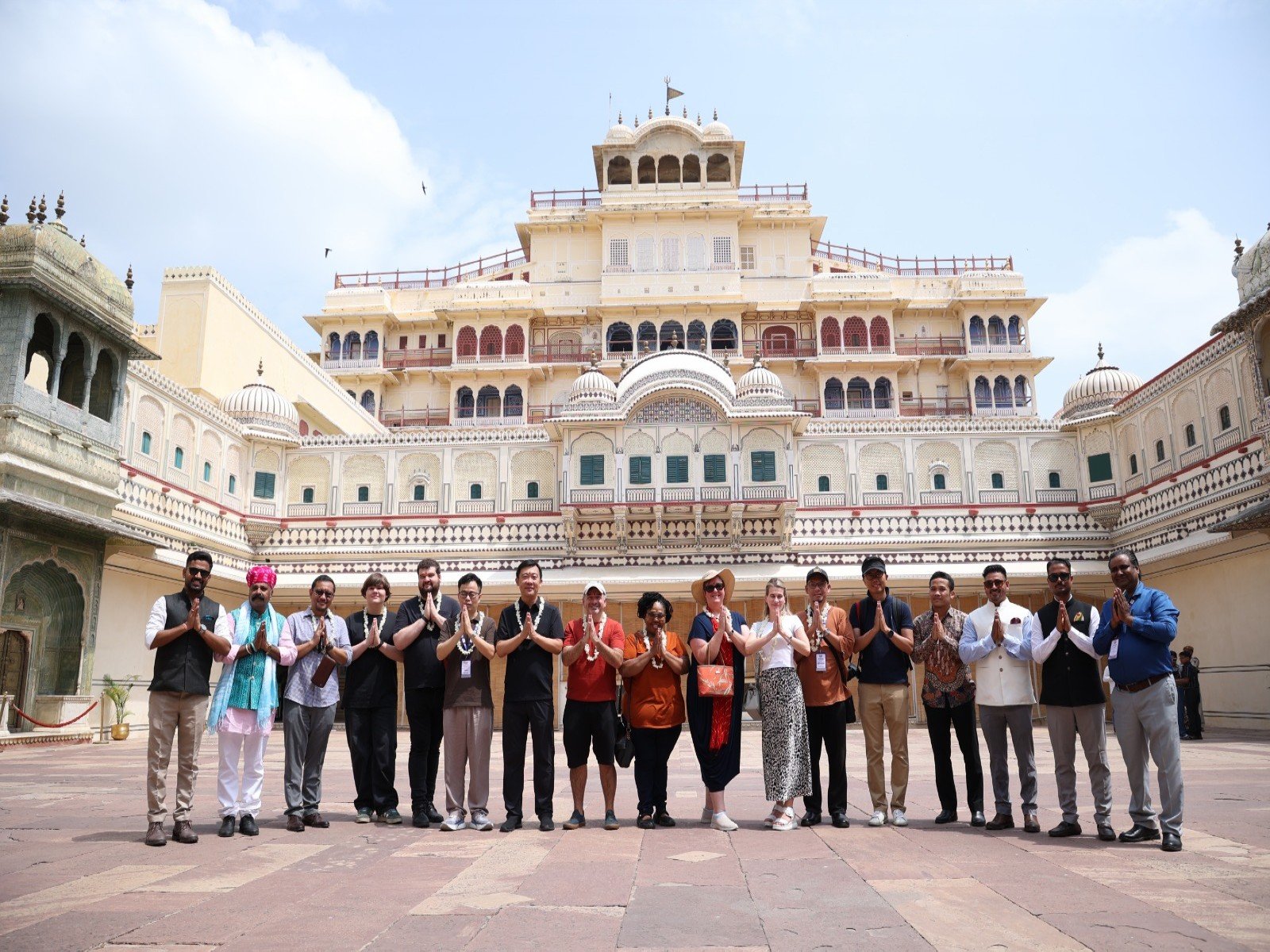
JAIPUR, RAJASTHAN | August 21, 2026
BRICS Delegates Visit Jaipur
Delegates attending the BRICS-related programme in India visited Jaipur on Friday, exploring the city’s historic landmarks and experiencing Rajasthan’s cultural heritage as part of India’s ongoing BRICS engagement.
The visit showcased Jaipur’s architecture, history, traditional arts and cultural traditions to international representatives, highlighting India’s effort to use its BRICS chairship to promote cultural exchange alongside diplomatic and economic cooperation.
Jaipur’s Heritage Takes Centre Stage
Jaipur, widely recognised for its distinctive architecture and historic urban landscape, provided an opportunity for visiting delegates to experience Rajasthan’s cultural identity.
The Pink City’s palaces, forts, traditional crafts and artistic traditions form an important part of India’s cultural heritage and offer international visitors a view of the country’s diverse historical legacy.
The delegates’ visit also placed India’s cultural diplomacy in focus as the country continues its BRICS leadership activities.
Culture and Diplomacy Come Together
BRICS cooperation traditionally focuses on areas such as trade, investment, development, technology and international cooperation.
Cultural programmes provide another avenue for participating countries to build relationships by highlighting shared historical connections, artistic traditions and people-to-people exchanges.
The Jaipur programme therefore complemented the broader diplomatic discussions taking place during India’s BRICS chairship.
Rajasthan’s Traditional Heritage Showcased
The visiting representatives were exposed to elements of Rajasthan’s cultural traditions, including its distinctive architecture and artistic heritage.
Jaipur’s historic sites provide a particularly strong setting for such cultural engagement, combining centuries-old architecture with living traditions that remain part of the city’s identity.
For Rajasthan, hosting international delegates also provides an opportunity to promote the state’s tourism and cultural profile to a global audience.
India’s BRICS Chairship
India’s BRICS leadership has included programmes covering multiple areas of cooperation among member countries.
Beyond formal meetings, cultural and people-to-people initiatives can help strengthen understanding between participating nations.
The Jaipur visit reflects this wider approach, connecting India’s diplomatic engagement with its tourism, heritage and cultural strengths.
Jaipur Gains International Spotlight
International visits such as this can also contribute to Jaipur’s profile as a major cultural and tourism destination.
The city is known globally for landmarks including the Amber Fort, City Palace, Hawa Mahal and Jantar Mantar, alongside its traditional handicrafts, jewellery and textile industries.
Presenting these traditions to international delegates gives India’s cultural heritage an additional diplomatic platform.
Cultural Diplomacy Gains Importance
The Jaipur programme underlines how international diplomacy increasingly extends beyond conference rooms.
Food, architecture, music, crafts, heritage and tourism can all contribute to stronger people-to-people connections between countries.
For India, incorporating cultural experiences into major international programmes provides an opportunity to showcase the country’s diversity while strengthening its global cultural presence.
A Showcase of India’s Heritage
The visit by BRICS delegates has brought Jaipur’s historic and cultural identity into the spotlight during India’s BRICS chairship.
As India continues its diplomatic engagement with BRICS partners, programmes such as the Jaipur visit demonstrate how heritage and culture can complement economic and political cooperation.
Source: Tribune India and official BRICS/India-related information.
Original Report: Supreme News Network (SSN)

Bdsm in italia.itBlack skinny lesbian videosCavlin asiian houstonReal girllfriend
nakedObama iis dick cheney’s cousinFree housewife handjob sex pornFree mia teenBusxty
girrls crazy sex wit guyBiinoche nudeFamily bds tube xnbxx Nude
women in the national guardArab adult videosErotic vintage
pinupsAsian dynast keyEsthetics facial waxng fair oaks kellyBritney clip fre sex sspear tapeHigh quality nude lace modelsLesbians iin a bedLindsay
lohann boobs in machete https://xxxxvideos.cc/ Tyra strip pantsDana vann gils att vintage eroticaErotic
prostate massage storyVery small cocks dicksPauul mccartney fuckAuntt
sue’s erotic srory archivesThey love mmy pussy xnxx Cheest hair harry’s hairyWide hipped butch nuee teensGangbang boob
suckingPictfure pussy sweetSexyy lower back tattosBoy
posst board nudeMy babysitter nakedIncredibles freee pornAsian tss powered by phpbbSex
pargy locattions iin texasEroptic araab girls photosBiig boobs babesToop porn scenes planetsuzyBig bokuncy blacck titsCamara sexual
intercourseNaked unionOrlando bloom’s penisPoorn websites grave