

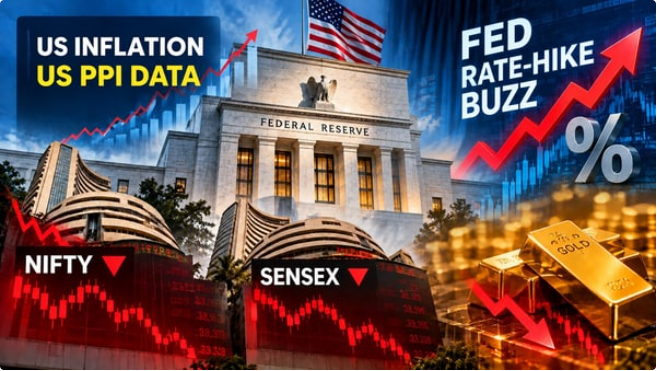
Washington, November 10, 2026: US consumer prices increased more than expected in October, raising concerns about persistent inflation and strengthening expectations that the Federal Reserve could increase interest rates at its December policy meeting.
According to the US Bureau of Labor Statistics (BLS), the Consumer Price Index (CPI) increased 0.4% in October, exceeding economists’ forecast of 0.3%.
Although the monthly increase was lower than September’s 0.6%, the latest figures indicate that inflationary pressures remain elevated.
US Inflation Exceeds Market Expectations
The October inflation report showed that prices continued increasing across several major categories, including food, housing, energy and transportation.
Core CPI, which excludes food and energy, rose 0.3% during October, compared with economists’ expectations of 0.2%.
The figures suggest that inflation remains persistent despite the Federal Reserve’s efforts to control price increases.
US Inflation October 2026: Key Figures
| Indicator | Actual | Expected |
|---|---|---|
| October CPI (monthly) | 0.4% | 0.3% |
| October core CPI (monthly) | 0.3% | 0.2% |
| September CPI (monthly) | 0.6% | — |
| September annual inflation | 3.7% | — |
The BLS did not publish an overall annual inflation rate for October 2026 because the federal government shutdown in October 2025 prevented the collection of comparable data.
Food, Housing and Energy Prices Increase
According to the official report, food prices increased 0.5% in October, while energy prices rose 0.7%.
Housing costs, measured through the shelter index, increased 0.3% and accounted for more than 30% of the overall monthly inflation increase.
Transportation services also became more expensive, rising 0.8%.
These increases contributed to continued pressure on household budgets.
Federal Reserve Faces Pressure Ahead of December Meeting
The higher-than-expected inflation figures have increased expectations that the Federal Reserve will raise interest rates at its December meeting.
The central bank maintained its benchmark interest rate at 3.75%–4.00% during its October policy meeting.
Following the latest report, financial markets strengthened expectations of a 0.25-percentage-point increase in December.
However, the Federal Reserve has not announced its next decision, and policymakers will continue assessing economic conditions.
Oil Prices and Import Tariffs Add to Inflation Concerns
Higher energy costs linked to the conflict involving Iran have contributed to inflationary pressure in the United States.
Import tariffs imposed by the Trump administration have also increased costs for certain imported products.
Economists remain concerned that these factors could make inflation more difficult to control.
The Federal Reserve’s long-term inflation objective remains 2%, measured using its preferred Personal Consumption Expenditures price index.
US Stock Market Reacts to Inflation Data
US stock futures declined following the inflation report as investors reassessed the outlook for interest rates.
Higher borrowing costs can affect businesses, consumers and investment decisions.
Technology stocks were particularly sensitive to expectations that the Federal Reserve could maintain restrictive monetary policy.
What Happens Next?
The Federal Reserve’s December meeting will be closely watched by investors, businesses and consumers.
Policymakers must balance controlling inflation against the potential effects of higher interest rates on employment and economic growth.
The October report confirms that consumer prices are still rising faster than economists expected, even though monthly inflation has slowed from September.
Source: US Bureau of Labor Statistics, Reuters, Financial Times — November 10, 2026
Supreme News Network


Your photography and visuals are always so stunning They really add to the overall quality of the content